![[white Tara], Buddhist Miniature Statue, [partly Gold Plated Finish], [thangka Color Finish], [hand Painted Face]](https://www.handmadeexpo.com/pics/product/37175.jpg)

![[white Tara], Buddhist Miniature Statue, [partly Gold Plated Finish], [thangka Color Finish], [hand Painted Face]](https://www.handmadeexpo.com/pics/product/thumb/37175.jpg)
![[white Tara], Buddhist Miniature Statue, [partly Gold Plated Finish], [thangka Color Finish], [hand Painted Face]](https://www.handmadeexpo.com/pics/product/thumb/37175_0.jpg)
![[white Tara], Buddhist Miniature Statue, [partly Gold Plated Finish], [thangka Color Finish], [hand Painted Face]](https://www.handmadeexpo.com/pics/product/thumb/37175_1.jpg)
![[white Tara], Buddhist Miniature Statue, [partly Gold Plated Finish], [thangka Color Finish], [hand Painted Face]](https://www.handmadeexpo.com/pics/product/thumb/37175_2.jpg)
![[white Tara], Buddhist Miniature Statue, [partly Gold Plated Finish], [thangka Color Finish], [hand Painted Face]](https://www.handmadeexpo.com/pics/product/thumb/37175_3.jpg)
White Tara, Buddhist Miniature Statue, Partly Gold Plated Finish, Thangka Color Finish, Hand Painted Face
Drolma Karpo
In Buddhist tradition, White Tara (also known as Sita Tara) is revered as the mother of all Buddhas and the supreme Buddhist goddess of longevity, healing, and compassion. Understanding White Tara iconography is essential for both art collectors and spiritual practitioners. Her visual representation is not just artistic; it is a profound spiritual map. Every detailâfrom her posture to the items she holdsâsymbolizes specific enlightened qualities designed to inspire peace, purity, and healing in the observer.
Visual Appearance and Symbolism
The visual structure of a White Tara statue is carefully guided by ancient texts. Here is what her distinct features represent:
The White Complexion: Although statues are often cast in bronze or gilded in gold, her traditional color is brilliant white. This represents absolute purity, the pacification of suffering, and a flawless, awakened mind.
The Seven Eyes: A defining feature of White Tara iconography is her seven eyes. She has three eyes on her face, one on the palm of each hand, and one on the sole of each foot. This symbolizes her vigilant, compassionate ability to see all the suffering in the universe and her readiness to help.
The Lotus Seat: She sits upon a moon disc resting on a blooming lotus flower. The lotus represents spiritual purityâjust as a lotus grows beautifully out of muddy water, the enlightened mind rises above the impurities of the world.
Hand Mudras (Gestures): Her right hand extends downward in the Varada Mudra, the gesture of giving blessings, charity, and supreme generosity. Her left hand is raised in front of her heart in the Abhaya Mudra (or Jnana Mudra), representing protection, fearlessness, and the teaching of the Dharma.
Compassionate Expression: Her face always bears a gentle, smiling, and peaceful expression, reflecting a motherly love and tranquility that calms the minds of devotees.
Seated Posture: Unlike Green Tara, who sits with one leg extended, White Tara is depicted in the full Vajrasana (lotus posture) with both legs crossed. This grounded posture signifies deep meditation, immovable stability, and absolute peace.
Key Attributes in White Tara Statues
When you examine a high-quality White Tara statue, you will notice specific attributes meticulously carved by the artisan:
The Utpala (Lotus Flowers): White Tara gracefully holds the stem of a blooming lotus flower (Utpala) in her left hand, which often blossoms gracefully over her left shoulder. The lotus typically features three stages of growthâa seed, a blooming flower, and a full blossomârepresenting the Buddhas of the past, present, and future.
Ornaments and Crown: She is adorned as a royal Bodhisattva. She wears a magnificent crown with five jewels, representing the Five Dhyani Buddhas and the mastery of the five wisdoms.
Jewelry Symbolism: Her elaborate necklaces, bracelets, and anklets are not just decorative. They symbolize her mastery of the Paramitas (the six perfections: generosity, morality, patience, energy, meditation, and wisdom).
Healing Energy Representation: The overall symmetry and balance of her adornments project a deeply calming aura, reflecting her core nature as a healer of physical and emotional ailments.
Spiritual Meaning of White Tara Iconography
Every element of White Taraâs form communicates her divine purpose.
Goddess of Compassion and Long Life: She is primarily invoked by practitioners seeking a long, healthy life to continue their spiritual journey.
Protector Against Illness and Untimely Death: In Tibetan Buddhism, she is considered a powerful protector who shields devotees from accidents, terminal illnesses, and sudden, untimely death.
Source of Healing Energy: Meditating on her serene form and her seven eyes is believed to channel profound healing energy, helping to clear mental blockages and physical diseases.
Cultural Importance in Nepalese and Tibetan Art
The creation of a White Tara statue is a sacred act deeply rooted in the Himalayas.
Traditional Himalayan Craftsmanship: In Nepal, specifically in the Kathmandu Valley, Newari artisans have been perfecting Buddhist metalwork for centuries. Their unparalleled skills have historically supplied Tibet's greatest monasteries with religious art.
Iconographic Accuracy: Authentic Nepali artisans use strict geometric grids and ancient scriptures to ensure the proportions of the deity are perfectly aligned with traditional iconography.
Handmade vs. Mass-Produced: A handmade White Tara statue carries the spiritual devotion and time of the artisan. While mass-produced, machine-made resin statues lack depth, authentic handmade metal statues possess a "soul," precise detailing, and a profound energy that supports genuine spiritual practice.
Ideal Placement and Worship Context
To respect the sacred iconography of White Tara, proper placement is essential:
Home Altar: Place the statue on a dedicated shrine or altar in your living room or meditation space. Ensure it is placed high up, above the level of your feet and ordinary objects.
Meditation Rooms: She is the perfect focal point for a quiet meditation space, facing East or facing the doorway to bless all who enter.
Monasteries and Temples: In traditional settings, she is often placed alongside Amitayus and Namgyalma, forming the "Trinity of Long Life."
Gold Painted Face
The face of White Tara is painted with gold to enhance its significant features, particularly the eyes, and lips. This detailed painting is essential as it brings forth the crucial attributes of the expression of eyes and lips that metal carving alone cannot capture.Moreover, the painted face serves as a symbolic and sacred ritual in Buddhism, preparing the statue for consecration and practice. The act of painting the face with gold in Buddhism holds deep meaning. It represents the intention to bring life and expression to the statue, imbuing it with a sense of vitality and presence. The application of gold on the face showcases the devotion and craftsmanship of the artisans, ensuring that every detail is carefully attended to honor the sacred essence of the White Tara. Read More . . .
About Color Finishing
The White Tara is adorned with traditional colors, creating a captivating aesthetic through a combination of gold and various hues. This painting technique follows a time-honored process that aims to faithfully represent the White Tara in accordance with traditional color descriptions. In the context of Buddhist statues, this approach holds great significance. Each statue has its own primary color, and it is crucial to depict the statue in its authentic shade. Read More . . .Partly Gold plating.
This White Tara has a Partly gold-plated finish. Partly fire gold gilding, a common practice in Nepali handicrafts. This technique is skillfully employed by artisans to create intricate designs on various metal objects, including statues, jewelry, and decorative items. Through a process, a mask or resist is applied to safeguard specific areas from the gold plating. The object is then subjected to high temperatures, allowing the gold to beautifully adhere to exposed surfaces using a combination of heat and pressure.In the realm of Buddhist statues, this technique holds additional significance as it distinguishes the golden-plated body from the oxidized or maroon-painted clothing. This visual separation conveys the contrast between the divine purity of the body and the modest attire symbolizing the humble lifestyle of Buddhist monks. The partly fire gold gilding not only adds exquisite detail and elegance but also embodies the deep cultural and spiritual meaning associated with these treasured artifacts. Read More . . .
Ceramic Molding System
The White Tara has been crafted using the Ceramic mold casting process, a modern approach that provides an alternative to traditional methods such as the lost-wax system or rubber molding. Also referred to as ceramic molding, this technique involves the creation of a ceramic mold to cast the statue. The process begins by making a precise and detailed wax model of the desired sculpture. The wax model is then coated with layers of ceramic material, creating a sturdy mold. Once the mold is complete, it is fired in a kiln, causing the wax to melt and escape, leaving behind a cavity that perfectly replicates the original sculpture. Molten metal is then poured into the mold, allowing it to fill the cavity and take on the desired form. Once cooled and solidified, the ceramic mold is carefully broken away, revealing the final metal statue. Read More . . .Benefits of Keeping a White Tara Statue at Home or Temple :
Having a White Tara statue is considered highly auspicious for both personal and spiritual well-being. Devotees and meditation practitioners cherish her presence for several reasons:
Promotes Healing and Longevity: White Tara is traditionally invoked to grant a long, healthy life and to help overcome physical and mental illnesses.
Removes Obstacles: Her compassionate energy is believed to clear the path of negative influences, bringing clarity and calm during difficult times.
Cultivates Inner Peace: The serene expression of White Tara serves as a perfect focal point for meditation, helping to quiet an anxious mind.
Nurtures Compassion: Simply observing her statue reminds us to practice loving-kindness toward ourselves and others.
Materials & Craftsmanship :
Our handmade White Tara statues from Nepal are crafted using traditional techniques passed down through generations of Newari artisans in the Kathmandu Valley.
The Lost-Wax Process: Each piece is intricately sculpted using the ancient lost-wax casting method, ensuring that no two statues are exactly alike.
Premium Metals: We primarily use high-quality copper, brass, or bronze to forge these sacred figures, providing weight, durability, and a beautiful resonant finish.
Exquisite Detailing: Many of our statues are partially or fully gilded in 24k gold, featuring hand-painted faces that bring the goddessâs compassionate expression to life. The fine carvings on her robes and jewelry reflect true artisanal mastery.
Ideal Placement According to Buddhist Belief
To honor the spiritual significance of your handmade White Tara, mindful placement is essential:
Elevated Position: Always place the statue on a dedicated altar, shelf, or table. It should be kept above eye level when you are seated, showing respect to the deity.
Directional Facing: Ideally, the statue should face East or face the main entrance of the room to bless the space and those who enter.
Clean and Quiet Environments: Keep her in a clean, uncluttered, and peaceful area, such as a meditation room or living room. Avoid placing Buddhist statues in bathrooms, on the floor, or near the foot of a bed.
Why Choose Our White Tara Statues from Nepal? :
At handmadestatue.com, we are committed to preserving the rich heritage of Himalayan art. When you purchase a handmade White Tara from Nepal through our store, you are guaranteed:
True Authenticity: Our statues are made by skilled local artisans who understand the exact proportions and sacred iconography required in Buddhist tradition.
Unmatched Quality: We focus on export-quality craftsmanship, ensuring every detailâfrom the lotus petals to her gentle smileâis flawless.
Fair Trade and Direct Sourcing: By bypassing middlemen, we offer you premium handmade art at fair prices while directly supporting the artisan communities in Nepal.
Invite White Tara Into Your Space
Whether you are looking to deepen your meditation practice, seeking a meaningful gift, or simply want to elevate your home décor with sacred art, a White Tara statue is a timeless choice.
Frequently Asked Questions (FAQs) :
Who is White Tara in Buddhism?
White Tara is a highly revered female Bodhisattva and Buddha in Mahayana and Vajrayana Buddhism. She is known as the "Mother of Liberation" and represents compassion, healing, and long life.
What does White Tara symbolize?
She symbolizes ultimate purity, maternal compassion, and the pacification of suffering. Her pure white form represents an awakened mind completely free of defilements.
What are the benefits of keeping a White Tara statue?
Keeping a White Tara statue at home is believed to bring peaceful energy, promote physical and emotional healing, ward off illnesses, and grant a long, healthy life to the household.
What are the seven eyes of White Tara?
White Tara features three eyes on her face (including a third eye of wisdom), two on her palms, and two on the soles of her feet. This iconography represents her ability to see the suffering of all beings throughout the universe and her readiness to offer compassionate help.
Where should a White Tara statue be placed at home?
It should be placed in a clean, quiet space such as a meditation room, living room, or home altar. Always place the statue elevated and above eye level when seated, and never in a bathroom or on the floor.
Is White Tara a Tibetan or Nepali deity?
White Tara is a foundational deity in Vajrayana Buddhism, deeply venerated in both Tibetan and Nepalese traditions. While her spiritual practice is central to Tibetan Buddhism, the finest historical and modern statues of her are traditionally crafted by Nepalese artisans.
What materials are used in White Tara statues?
Traditional handmade White Tara statues are typically cast using copper, bronze, or brass. Premium statues are often gilded in 24-karat gold to honor her purity and feature hand-painted details on the face.
How is White Tara different from Green Tara?
While both represent compassion, Green Tara is depicted with one foot stepping down, symbolizing swift, active protection. White Tara sits in a full lotus meditation posture and has seven eyes, focusing specifically on healing, deep peace, and longevity.
Is White Tara suitable for meditation practice?
Yes, she is highly recommended for meditation. Her peaceful demeanor and stable posture provide a perfect visual anchor for calming the mind, reducing anxiety, and practicing loving-kindness.
Mantra of White Tara
You may also want to read the related articles :
Service of Filling and blessing in Statue | Altering Finishing in StatueAt Handmade Statue, we aim to provide a seamless and user-friendly experience. While our website is not a direct online shopping platform, we have a shopping cart system to make submitting your inquiries easy. Follow these steps to place your order:
Step 1: Browse Our Products
Explore our website to discover a wide range of authentic Nepali handicrafts, including statues, thangkas, singing bowls, wood carvings, jewelry, and more. Click on any product to view detailed descriptions and images.
Step 2: Add Items to Your Inquiry Cart
Click the “Add to Inquiry Cart” button for each product you are interested in. This will help you organize your selections conveniently.
Step 3: Review Your Inquiry Cart
Once you’ve added all your items, review your cart to ensure accuracy before submitting your inquiry.
Step 4: Submit Your Inquiry
Click the “Submit Inquiry” button. Fill out the form with your contact details, selected products, and any specific questions or customization requests.
Step 5: Communicate via Email
Since we don’t have an automated payment system, our team will respond to your inquiry via email. We’ll provide guidance, answer questions, and assist with customization requests.
Step 6: Finalize Your Order
Confirm all product details and customization options with our team. Once everything is finalized, we will provide secure payment instructions.
Step 7: Complete Your Payment
Make the payment through the provided method. After confirmation, we will process and prepare your order for shipment.
Step 8: Shipping and Delivery
We offer worldwide shipping. Once your order is dispatched, we will provide tracking details and shipping information.
Step 9: Receive and Enjoy Your Handicrafts
Unpack your beautiful handmade Nepali products and enjoy the craftsmanship and cultural heritage of Nepal.
Need Assistance?
If you face any issues or have questions while placing your order, contact us via email or mobile communication apps. Our team is dedicated to providing prompt support and a smooth ordering experience.
We hope this straightforward ordering process ensures a delightful and satisfying experience with Handmade Statue. Thank you for choosing us to connect you with the rich heritage of Nepali handicrafts.
Return Policy
We have a 7 days money back policy but buyer have to pay the return shipping charges.
Shipping
- Shipping cost is calculated, based on the shipping weight of the products ordered. THe normal Shipping cost is US$25 for upto 0.5 kgs weight
- We ship Worldwide, Except Russia and India.
- The deliver duration varies for international Shipping location. We normally dispatch the product in 2 -3 business days. Else Buyer will be infromed Personally about the shipping.
Related Products
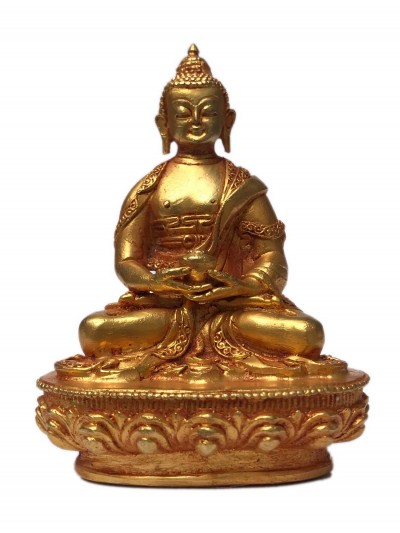
10cm Statue Of Amitabha Buddha, Full Gold Plated
Weight : 0.25kg | [16941]
US$50
US$40
You Save
US$10
(20%)
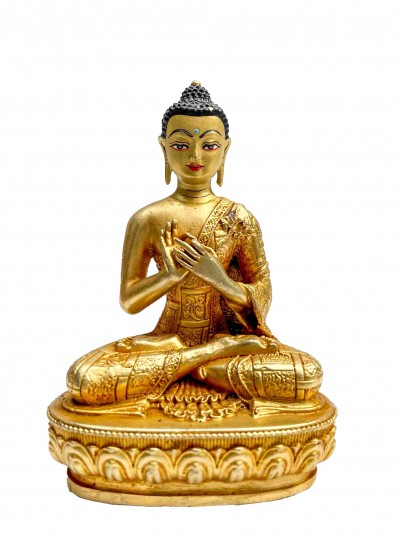
10cm Buddhist Miniature Statue Of Vairochana Buddha, Full Gold Plated, Face Painted
Weight : 0.2kg | [25953]
US$145
US$115
You Save
US$30
(20%)
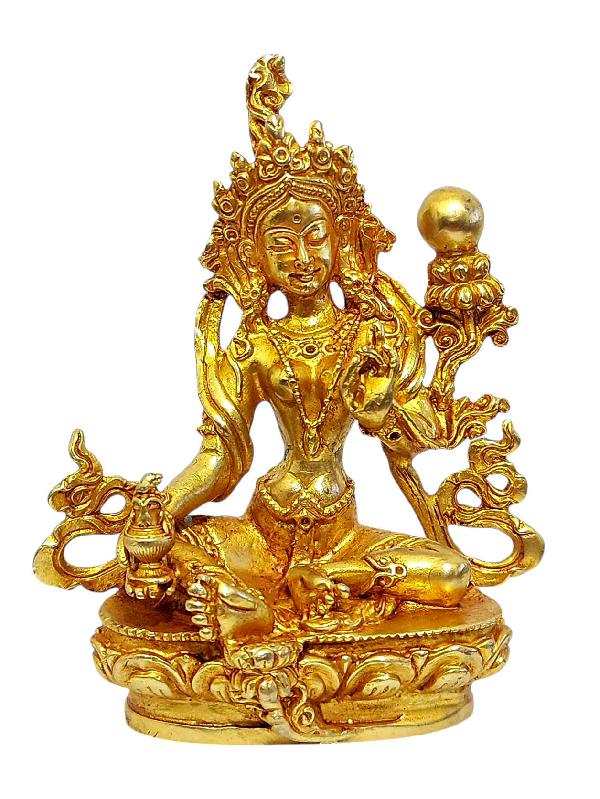
10cm Buddhist Miniature Statue Of 21 Tara, Full Gold Plated
Weight : 0.26kg | [36754]
US$100
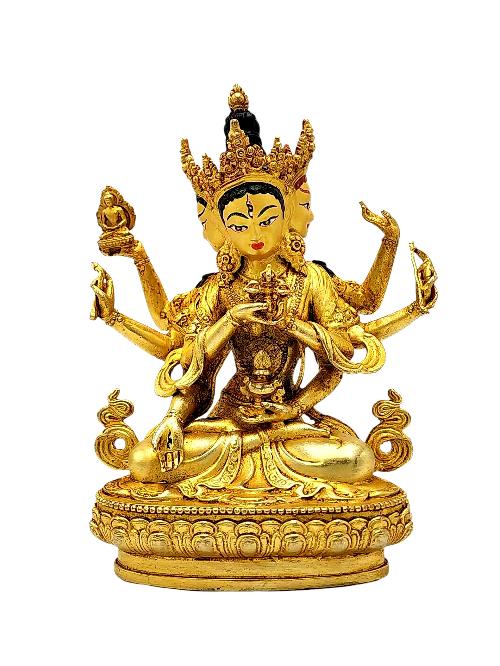
11cm Namgyalma, Buddhist Miniature Statue, Full Gold Plated, Face Painted
Weight : 0.3kg | [36842]
US$325
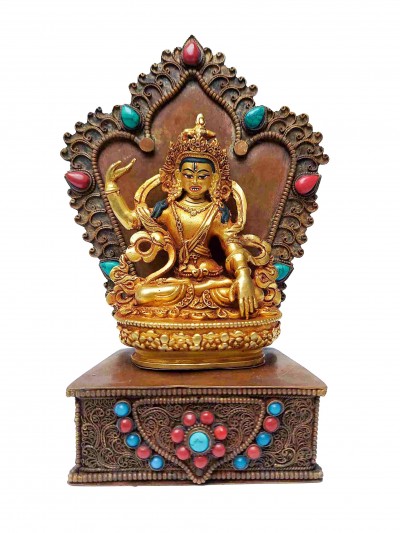
15cm Buddhist Miniature Statue Of Green Tara With Throne, Full Gold Plated, Face Painted, Stone Setting
Weight : 0.37kg | [26178]
US$150
US$120
You Save
US$30
(20%)
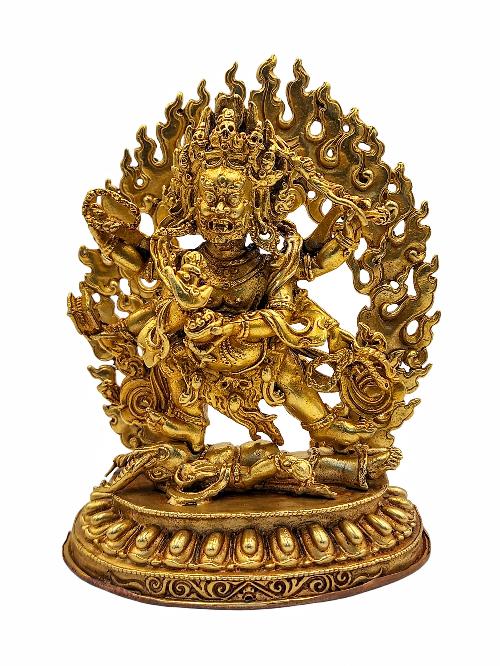
14cm Black Mahakala Statue Full Gold Plated, Ceramic Molding
Weight : 0.7kg | [31142]
US$190
US$155
You Save
US$35
(20%)
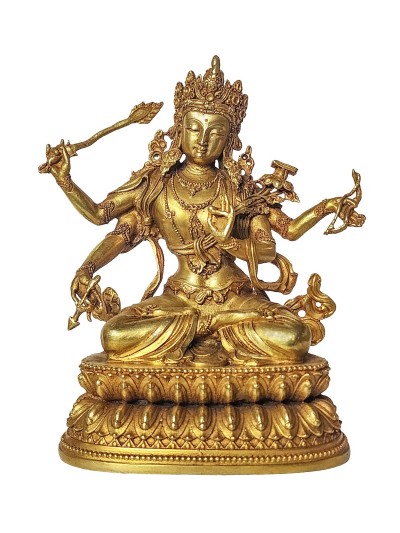
15cm Tibetan Buddhist Statue Of Maha Manjushri, Full Gold Plated
Weight : 0.7kg | [27521]
US$325
US$260
You Save
US$65
(20%)
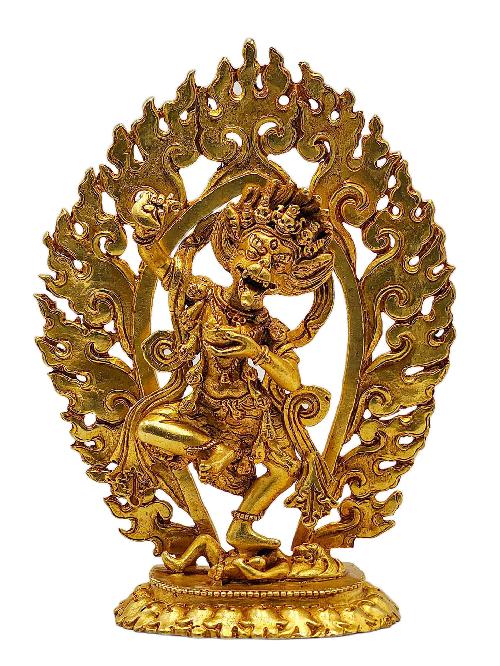
16cm Simhamukha Yogini. Buddhist Miniature Statue, Gold Plated
Weight : 0.43kg | [35881]
US$200
US$170
You Save
US$30
(15%)