![Singing Bowl, Buddhist Hand Beaten, With Fine Etching Carving, [padmasambhava], [select Accessories]](https://www.handmadeexpo.com/pics/product/36589.jpg)

![Singing Bowl, Buddhist Hand Beaten, With Fine Etching Carving, [padmasambhava], [select Accessories]](https://www.handmadeexpo.com/pics/product/thumb/36589.jpg)
![Singing Bowl, Buddhist Hand Beaten, With Fine Etching Carving, [padmasambhava], [select Accessories]](https://www.handmadeexpo.com/pics/product/thumb/36589_0.jpg)
![Singing Bowl, Buddhist Hand Beaten, With Fine Etching Carving, [padmasambhava], [select Accessories]](https://www.handmadeexpo.com/pics/product/thumb/36589_1.jpg)
![Singing Bowl, Buddhist Hand Beaten, With Fine Etching Carving, [padmasambhava], [select Accessories]](https://www.handmadeexpo.com/pics/product/thumb/36589_2.jpg)
![Singing Bowl, Buddhist Hand Beaten, With Fine Etching Carving, [padmasambhava], [select Accessories]](https://www.handmadeexpo.com/pics/product/thumb/36589_3.jpg)
![Singing Bowl, Buddhist Hand Beaten, With Fine Etching Carving, [padmasambhava], [select Accessories]](https://www.handmadeexpo.com/pics/product/thumb/36589_4.jpg)
Singing Bowl, Buddhist Hand Beaten, with Fine Etching Carving, Padmasambhava, Select Accessories
Padmasambhava
: Padmasambhava (Guru Rinpoche): The Lotus-Born Master of Tibetan BuddhismFew figures in religious history possess a legacy as vast, dramatic, and mystically charged as Padmasambhava. Revered across the Himalayan region as Guru Rinpoche ("Precious Master"), he was an eighth-century Indian tantric master who transformed the spiritual landscape of Tibet.
By binding local animistic spirits, establishing the countryâs first Buddhist monastery, and concealing profound spiritual treasures (terma), Padmasambhava laid the foundation for what is known today as Vajrayana (Tandric) Buddhism. For millions of practitioners, he is not merely a historical saint but the "Second Buddha" of our age.
Read More . . .Select Accessories
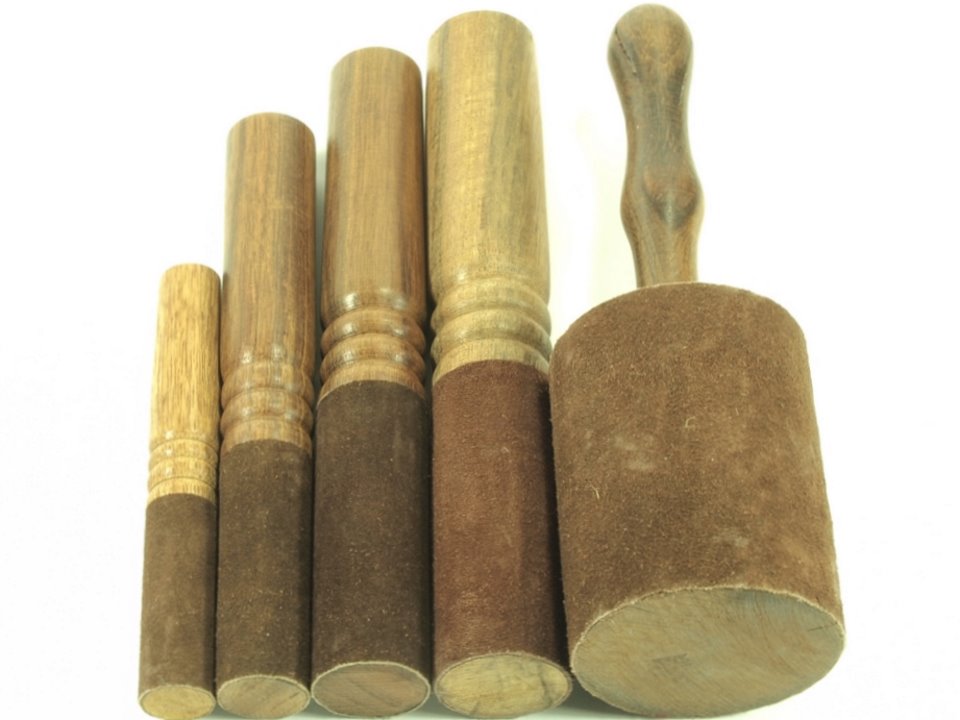
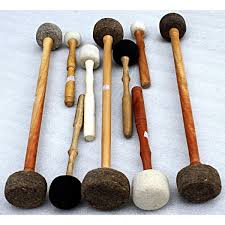
: Accessories Due to complexities in shipping rate calculation caused by additional accessories, please note that the listed price includes only the singing bowl itself. Accessories like Drumstick, mallet, and cushion are not included and must be selected separately based on your requirements. The prices of additional accessories are inclusive of the shipping cost.Samadhi
: Brief Introduction Samadhi, a term deeply rooted in ancient Eastern philosophies, encompasses the concept of attaining supreme consciousness through spiritual practices. Often depicted as a journey through the seven chakras, Samadhi represents the awakening and alignment of these energy centers within the human body. Let us embark on an exploration of Samadhi, delving into the symbolism and significance of each chakra in this transformative journey towards self-realization. Read More . . .Sound Check - All
: Request a sound check We personally check Jambati Singing Bowl to ensure the quality of the sound and its resonance. However, if you still require to listen to the sound before purchase. To maintain the quality of service we have introduced a nominal fee of $2 for this service. This non-refundable deposit will be deducted from your invoice upon purchase. Please note due to the limitation of the microphone and the speaker quality, the effectiveness of experiencing the sound will not be the same.If you have any further questions or require assistance, please do not hesitate to contact us. WhatsApp: +9779841614206 Read More . . .
Singing bowl Accessories
The Jambati Singing Bowl you are purchasing includes a cushion, a wooden playing mallet, and a felt-hitting mallet for playing the bowl. If you require additional accessories, you can browse the options above and purchase them separately. Should you have any further questions or need assistance, please don't hesitate to let us know. Read More . . .
What is Etching Carving?
Etching is traditionally the process of using strong acid or mordant to cut into the unprotected parts of a metal surface to create a design in intaglio (incised) in the metal. In modern manufacturing, other chemicals may be used on other types of material. As a method of printmaking, it is, along with engraving, the most important technique for old master prints, and remains in wide use today. In several modern variants such as microfabrication etching and photochemical milling, it is a crucial technique in much modern technology, including circuit boards. Read More . . .


Making Process of Hand-Beaten Singing Bowl
Making a handmade bronze singing bowl is a time-honored tradition that involves several stages. The process starts with the creation of a metal alloy, which is typically made of copper and tin. The metal is then melted down and poured into a mold, where it is shaped into a bowl. Once the bowl has been formed, it is subjected to a series of hammering and shaping processes to refine its shape and thickness. This is where the expertise of the craftsman comes into play, as they use their skills to produce a bowl with a balanced tone and resonant sound.The finished bowl is then polished to a high shine and may be adorned with intricate designs and symbols that are significant in Buddhist or Hindu tradition. Read More . . .
You may also want to read the related articles :
Sound Healing with Tibetan Singing Bowls | Video on how singing bowls are madeAt Handmade Statue, we aim to provide a seamless and user-friendly experience. While our website is not a direct online shopping platform, we have a shopping cart system to make submitting your inquiries easy. Follow these steps to place your order:
Step 1: Browse Our Products
Explore our website to discover a wide range of authentic Nepali handicrafts, including statues, thangkas, singing bowls, wood carvings, jewelry, and more. Click on any product to view detailed descriptions and images.
Step 2: Add Items to Your Inquiry Cart
Click the “Add to Inquiry Cart” button for each product you are interested in. This will help you organize your selections conveniently.
Step 3: Review Your Inquiry Cart
Once you’ve added all your items, review your cart to ensure accuracy before submitting your inquiry.
Step 4: Submit Your Inquiry
Click the “Submit Inquiry” button. Fill out the form with your contact details, selected products, and any specific questions or customization requests.
Step 5: Communicate via Email
Since we don’t have an automated payment system, our team will respond to your inquiry via email. We’ll provide guidance, answer questions, and assist with customization requests.
Step 6: Finalize Your Order
Confirm all product details and customization options with our team. Once everything is finalized, we will provide secure payment instructions.
Step 7: Complete Your Payment
Make the payment through the provided method. After confirmation, we will process and prepare your order for shipment.
Step 8: Shipping and Delivery
We offer worldwide shipping. Once your order is dispatched, we will provide tracking details and shipping information.
Step 9: Receive and Enjoy Your Handicrafts
Unpack your beautiful handmade Nepali products and enjoy the craftsmanship and cultural heritage of Nepal.
Need Assistance?
If you face any issues or have questions while placing your order, contact us via email or mobile communication apps. Our team is dedicated to providing prompt support and a smooth ordering experience.
We hope this straightforward ordering process ensures a delightful and satisfying experience with Handmade Statue. Thank you for choosing us to connect you with the rich heritage of Nepali handicrafts.
Return Policy
We have a 7 days money back policy but buyer have to pay the return shipping charges.
Shipping
- Shipping cost is calculated, based on the shipping weight of the products ordered. THe normal Shipping cost is US$25 for upto 0.5 kgs weight
- We ship Worldwide, Except Russia and India.
- The deliver duration varies for international Shipping location. We normally dispatch the product in 2 -3 business days. Else Buyer will be infromed Personally about the shipping.
Related Products
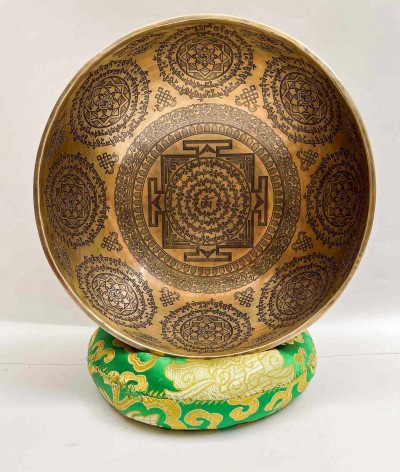
23cm Buddhist Handmade Jambati Singing Bowl With Yantra Design, Fine Carving, Select Accessories
Weight : 1.52kg | [25541]
US$195
US$155
You Save
US$40
(20%)
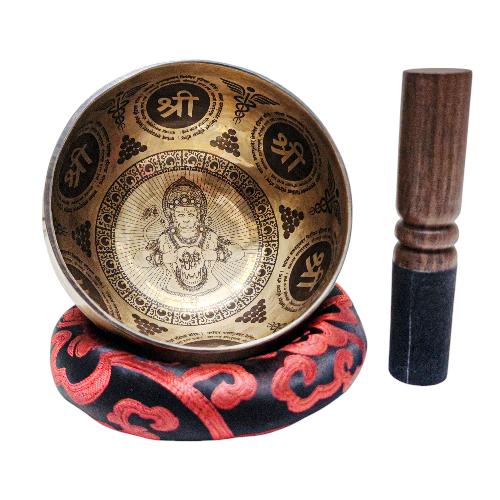
7cm Singing Bowl, Buddhist Hand Beaten, With Hanuman Carved Inside, Select Accessories
Weight : 0.49kg | [36296]
US$55
US$50
You Save
US$5
(15%)
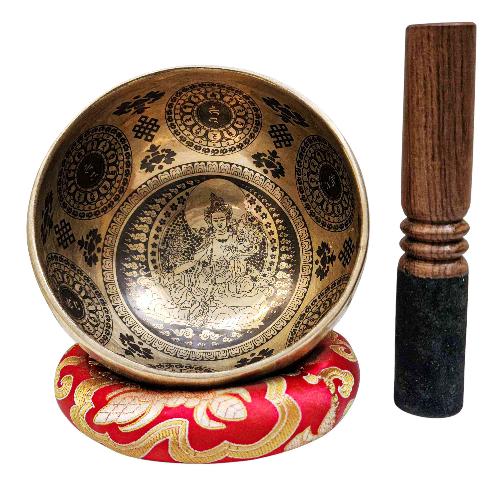
7cm Singing Bowl, Buddhist Hand Beaten, With Fine Etching Carving, Green Tara, Select Accessories
Weight : 0.51kg | [36591]
US$60
US$50
You Save
US$10
(15%)
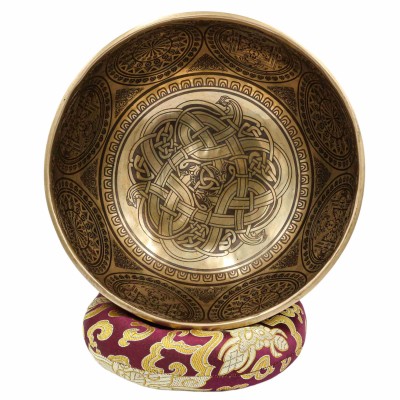
22cm Buddhist Hand Beaten Jambati Singing Bowl, With Super Fine Etching Carving, Select Accessories
Weight : 1.55kg | [26962]
US$200
US$160
You Save
US$40
(20%)
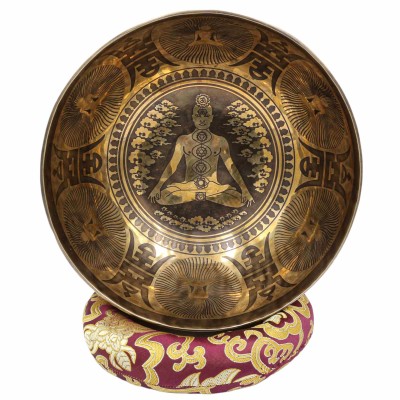
22cm Buddhist Hand Beaten Jambati Singing Bowl, With Super Fine Etching Carving, Yoga Man, Select Accessories
Weight : 1.24kg | [26993]
US$160
US$130
You Save
US$30
(20%)
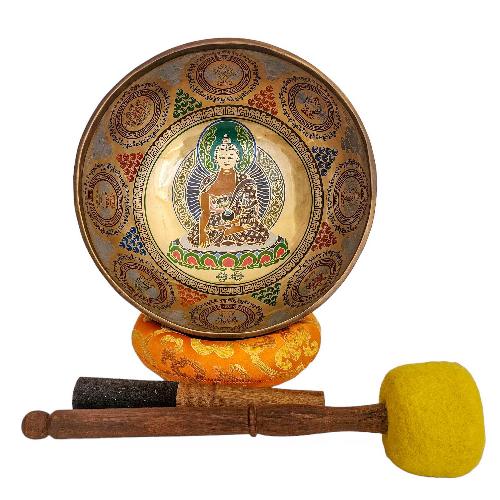
25cm Singing Bowl, Buddhist Hand Beaten, With Fine Etching Carving, Shakyamuni Buddha, Thangka Color Painted, Select Accessories
Weight : 1.78kg | [31777]
US$205
US$165
You Save
US$40
(20%)
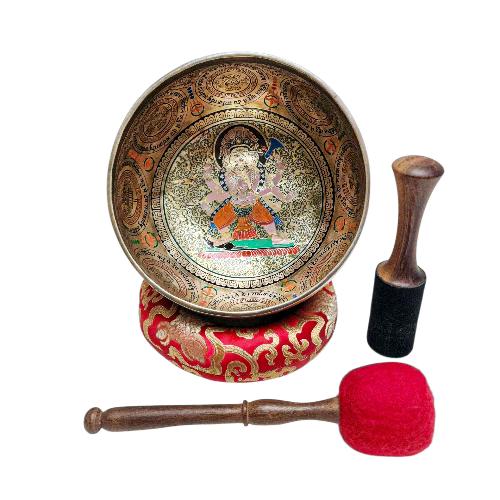
10cm Singing Bowl, Buddhist Hand Beaten, With Fine Etching Carving, Ganesh, Thangka Color Painted, Select Accessories
Weight : 1.69kg | [36313]
US$240
US$205
You Save
US$35
(15%)
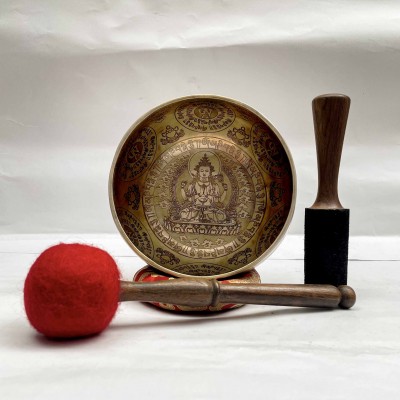
16cm Buddhist Hand Beaten Jambati Singing Bowl, With Chenrezig Design, Carving, Select Accessories
Weight : 0.73kg | [25636]
US$100
US$80
You Save
US$20
(20%)