![[pendant], Buddhist Silver Amulet With [padmasambhava], [silver Chain Included]](https://www.handmadeexpo.com/pics/product/30535.jpg)

![[pendant], Buddhist Silver Amulet With [padmasambhava], [silver Chain Included]](https://www.handmadeexpo.com/pics/product/thumb/30535.jpg)
![[pendant], Buddhist Silver Amulet With [padmasambhava], [silver Chain Included]](https://www.handmadeexpo.com/pics/product/thumb/30535_0.jpg)
![[pendant], Buddhist Silver Amulet With [padmasambhava], [silver Chain Included]](https://www.handmadeexpo.com/pics/product/thumb/30535_1.jpg)
Pendant, Buddhist Silver Amulet with Padmasambhava, Silver Chain Included
Some may also define it as a small temple of the god with his / her mantra which you carry on yourself everywhere you go.
Padmasambhava
: Padmasambhava (Guru Rinpoche): The Lotus-Born Master of Tibetan BuddhismFew figures in religious history possess a legacy as vast, dramatic, and mystically charged as Padmasambhava. Revered across the Himalayan region as Guru Rinpoche ("Precious Master"), he was an eighth-century Indian tantric master who transformed the spiritual landscape of Tibet.
By binding local animistic spirits, establishing the countryâs first Buddhist monastery, and concealing profound spiritual treasures (terma), Padmasambhava laid the foundation for what is known today as Vajrayana (Tandric) Buddhism. For millions of practitioners, he is not merely a historical saint but the "Second Buddha" of our age.
Read More . . .About Silver Pendant
A Nepali silver pendant is a beautiful piece of jewelry that is often adorned with semi-precious stones and intricate designs. These pendants are often made by skilled artisans in Nepal who use traditional techniques and designs that have been passed down through generations.One popular feature of Nepali silver pendants is the use of semi-precious stones such as turquoise, coral, amethyst, or lapis lazuli. These stones are believed to have special powers and significance in astrology and are often used in Nepali jewelry to bring luck, prosperity, and protection to the wearer. Read More . . .
You may also want to read the related articles :
At Handmade Statue, we aim to provide a seamless and user-friendly experience. While our website is not a direct online shopping platform, we have a shopping cart system to make submitting your inquiries easy. Follow these steps to place your order:
Step 1: Browse Our Products
Explore our website to discover a wide range of authentic Nepali handicrafts, including statues, thangkas, singing bowls, wood carvings, jewelry, and more. Click on any product to view detailed descriptions and images.
Step 2: Add Items to Your Inquiry Cart
Click the “Add to Inquiry Cart” button for each product you are interested in. This will help you organize your selections conveniently.
Step 3: Review Your Inquiry Cart
Once you’ve added all your items, review your cart to ensure accuracy before submitting your inquiry.
Step 4: Submit Your Inquiry
Click the “Submit Inquiry” button. Fill out the form with your contact details, selected products, and any specific questions or customization requests.
Step 5: Communicate via Email
Since we don’t have an automated payment system, our team will respond to your inquiry via email. We’ll provide guidance, answer questions, and assist with customization requests.
Step 6: Finalize Your Order
Confirm all product details and customization options with our team. Once everything is finalized, we will provide secure payment instructions.
Step 7: Complete Your Payment
Make the payment through the provided method. After confirmation, we will process and prepare your order for shipment.
Step 8: Shipping and Delivery
We offer worldwide shipping. Once your order is dispatched, we will provide tracking details and shipping information.
Step 9: Receive and Enjoy Your Handicrafts
Unpack your beautiful handmade Nepali products and enjoy the craftsmanship and cultural heritage of Nepal.
Need Assistance?
If you face any issues or have questions while placing your order, contact us via email or mobile communication apps. Our team is dedicated to providing prompt support and a smooth ordering experience.
We hope this straightforward ordering process ensures a delightful and satisfying experience with Handmade Statue. Thank you for choosing us to connect you with the rich heritage of Nepali handicrafts.
Return Policy
We have a 7 days money back policy but buyer have to pay the return shipping charges.
Shipping
- Shipping cost is calculated, based on the shipping weight of the products ordered. THe normal Shipping cost is US$25 for upto 0.5 kgs weight
- We ship Worldwide, Except Russia and India.
- The deliver duration varies for international Shipping location. We normally dispatch the product in 2 -3 business days. Else Buyer will be infromed Personally about the shipping.
Related Products
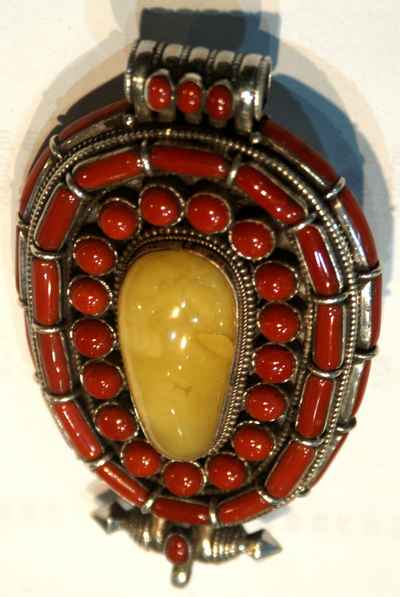
10cm Old Tibetan Ghau With Coral And Amber
Weight : 0.12kg | [10296]
US$580
US$465
You Save
US$115
(20%)
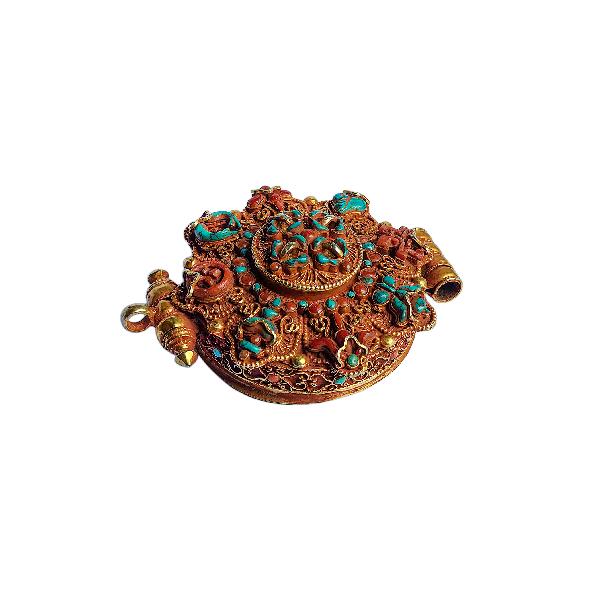
3cm Silver Tibetan Ghau Box With Ashtamangala, Gold Plated And Stone Setting
Weight : 0.1kg | [34737]
US$2090
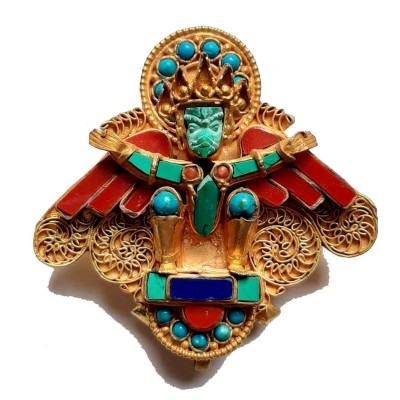
7cm Tibetan Silver Garuda Ghau Amulet, Gold Plated And Stone Setting
Weight : 0.05kg | [16648]
US$120
US$100
You Save
US$20
(20%)
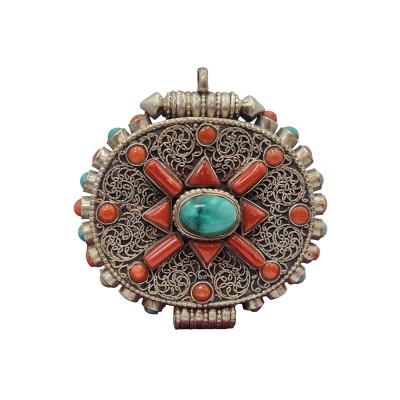
2cm Sterlin Silver Tibetan Ghau Box With Sighu Stone, Gold Plated, Stone Setting
Weight : 0.07kg | [27714]
US$420
US$340
You Save
US$80
(20%)
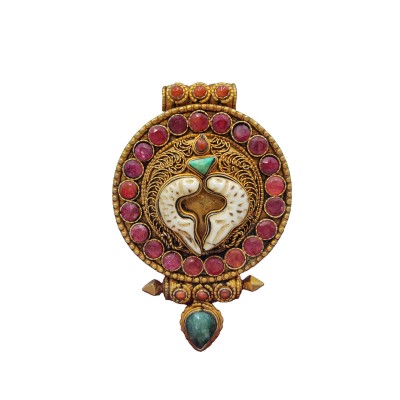
1cm Sterlin Silver Tibetan Ghau Box, Gold Plated, Stone Setting
Weight : 0.02kg | [27720]
US$190
US$155
You Save
US$35
(20%)
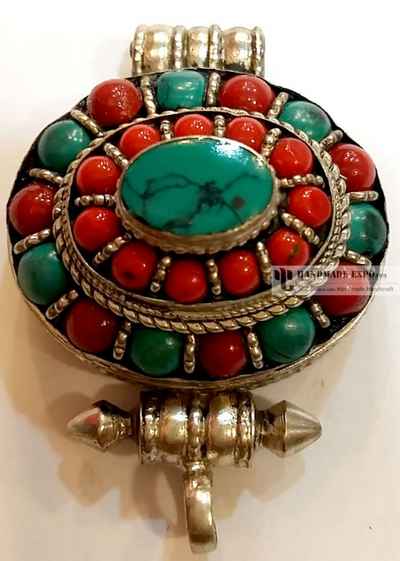
4cm White Metal White Metal Ghau
Weight : 0.01kg | [11342]
US$15
US$10
You Save
US$5
(20%)
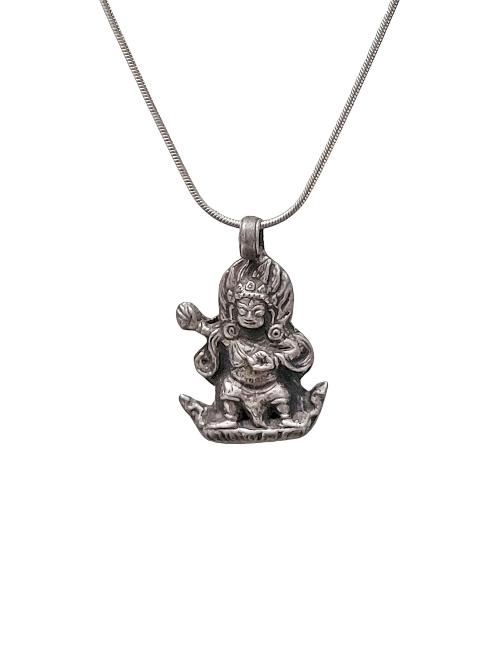
24cm Pendant, Buddhist Silver Amulet With Vajrapani, Silver Chain Included
Weight : 0kg | [30532]
US$25
US$20
You Save
US$5
(20%)
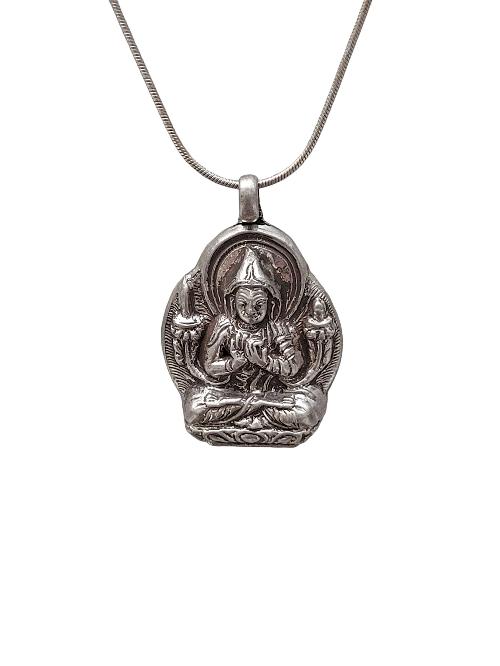
25cm Pendant, Buddhist Silver Amulet With Vairocana Buddha, Silver Chain Included
Weight : 0.01kg | [30521]
US$30
US$25
You Save
US$5
(20%)