![[pancha Buddha Set Of Shakyamuni Buddha, Amitabha Buddha, Ratnasambhava Buddha, Vairochana Buddha, Amoghasiddi Buddha], Buddhist Handmade Statue, [full Gold Plated, Face Painted] And [stone Setting]](https://www.handmadeexpo.com/pics/product/31347.jpg)

![[pancha Buddha Set Of Shakyamuni Buddha, Amitabha Buddha, Ratnasambhava Buddha, Vairochana Buddha, Amoghasiddi Buddha], Buddhist Handmade Statue, [full Gold Plated, Face Painted] And [stone Setting]](https://www.handmadeexpo.com/pics/product/thumb/31347.jpg)
![[pancha Buddha Set Of Shakyamuni Buddha, Amitabha Buddha, Ratnasambhava Buddha, Vairochana Buddha, Amoghasiddi Buddha], Buddhist Handmade Statue, [full Gold Plated, Face Painted] And [stone Setting]](https://www.handmadeexpo.com/pics/product/thumb/31347_0.jpg)
![[pancha Buddha Set Of Shakyamuni Buddha, Amitabha Buddha, Ratnasambhava Buddha, Vairochana Buddha, Amoghasiddi Buddha], Buddhist Handmade Statue, [full Gold Plated, Face Painted] And [stone Setting]](https://www.handmadeexpo.com/pics/product/thumb/31347_1.jpg)
![[pancha Buddha Set Of Shakyamuni Buddha, Amitabha Buddha, Ratnasambhava Buddha, Vairochana Buddha, Amoghasiddi Buddha], Buddhist Handmade Statue, [full Gold Plated, Face Painted] And [stone Setting]](https://www.handmadeexpo.com/pics/product/thumb/31347_2.jpg)
![[pancha Buddha Set Of Shakyamuni Buddha, Amitabha Buddha, Ratnasambhava Buddha, Vairochana Buddha, Amoghasiddi Buddha], Buddhist Handmade Statue, [full Gold Plated, Face Painted] And [stone Setting]](https://www.handmadeexpo.com/pics/product/thumb/31347_3.jpg)
![[pancha Buddha Set Of Shakyamuni Buddha, Amitabha Buddha, Ratnasambhava Buddha, Vairochana Buddha, Amoghasiddi Buddha], Buddhist Handmade Statue, [full Gold Plated, Face Painted] And [stone Setting]](https://www.handmadeexpo.com/pics/product/thumb/31347_4.jpg)
![[pancha Buddha Set Of Shakyamuni Buddha, Amitabha Buddha, Ratnasambhava Buddha, Vairochana Buddha, Amoghasiddi Buddha], Buddhist Handmade Statue, [full Gold Plated, Face Painted] And [stone Setting]](https://www.handmadeexpo.com/pics/product/thumb/31347_5.jpg)
![[pancha Buddha Set Of Shakyamuni Buddha, Amitabha Buddha, Ratnasambhava Buddha, Vairochana Buddha, Amoghasiddi Buddha], Buddhist Handmade Statue, [full Gold Plated, Face Painted] And [stone Setting]](https://www.handmadeexpo.com/pics/product/thumb/31347_6.jpg)
![[pancha Buddha Set Of Shakyamuni Buddha, Amitabha Buddha, Ratnasambhava Buddha, Vairochana Buddha, Amoghasiddi Buddha], Buddhist Handmade Statue, [full Gold Plated, Face Painted] And [stone Setting]](https://www.handmadeexpo.com/pics/product/thumb/31347_7.jpg)
![[pancha Buddha Set Of Shakyamuni Buddha, Amitabha Buddha, Ratnasambhava Buddha, Vairochana Buddha, Amoghasiddi Buddha], Buddhist Handmade Statue, [full Gold Plated, Face Painted] And [stone Setting]](https://www.handmadeexpo.com/pics/product/thumb/31347_8.jpg)
![[pancha Buddha Set Of Shakyamuni Buddha, Amitabha Buddha, Ratnasambhava Buddha, Vairochana Buddha, Amoghasiddi Buddha], Buddhist Handmade Statue, [full Gold Plated, Face Painted] And [stone Setting]](https://www.handmadeexpo.com/pics/product/thumb/31347_9.jpg)
![[pancha Buddha Set Of Shakyamuni Buddha, Amitabha Buddha, Ratnasambhava Buddha, Vairochana Buddha, Amoghasiddi Buddha], Buddhist Handmade Statue, [full Gold Plated, Face Painted] And [stone Setting]](https://www.handmadeexpo.com/pics/product/thumb/31347_10.jpg)
![[pancha Buddha Set Of Shakyamuni Buddha, Amitabha Buddha, Ratnasambhava Buddha, Vairochana Buddha, Amoghasiddi Buddha], Buddhist Handmade Statue, [full Gold Plated, Face Painted] And [stone Setting]](https://www.handmadeexpo.com/pics/product/thumb/31347_11.jpg)
![[pancha Buddha Set Of Shakyamuni Buddha, Amitabha Buddha, Ratnasambhava Buddha, Vairochana Buddha, Amoghasiddi Buddha], Buddhist Handmade Statue, [full Gold Plated, Face Painted] And [stone Setting]](https://www.handmadeexpo.com/pics/product/thumb/31347_12.jpg)
![[pancha Buddha Set Of Shakyamuni Buddha, Amitabha Buddha, Ratnasambhava Buddha, Vairochana Buddha, Amoghasiddi Buddha], Buddhist Handmade Statue, [full Gold Plated, Face Painted] And [stone Setting]](https://www.handmadeexpo.com/pics/product/thumb/31347_13.jpg)
![[pancha Buddha Set Of Shakyamuni Buddha, Amitabha Buddha, Ratnasambhava Buddha, Vairochana Buddha, Amoghasiddi Buddha], Buddhist Handmade Statue, [full Gold Plated, Face Painted] And [stone Setting]](https://www.handmadeexpo.com/pics/product/thumb/31347_14.jpg)
![[pancha Buddha Set Of Shakyamuni Buddha, Amitabha Buddha, Ratnasambhava Buddha, Vairochana Buddha, Amoghasiddi Buddha], Buddhist Handmade Statue, [full Gold Plated, Face Painted] And [stone Setting]](https://www.handmadeexpo.com/pics/product/thumb/31347_15.jpg)
![[pancha Buddha Set Of Shakyamuni Buddha, Amitabha Buddha, Ratnasambhava Buddha, Vairochana Buddha, Amoghasiddi Buddha], Buddhist Handmade Statue, [full Gold Plated, Face Painted] And [stone Setting]](https://www.handmadeexpo.com/pics/product/thumb/31347_16.jpg)
![[pancha Buddha Set Of Shakyamuni Buddha, Amitabha Buddha, Ratnasambhava Buddha, Vairochana Buddha, Amoghasiddi Buddha], Buddhist Handmade Statue, [full Gold Plated, Face Painted] And [stone Setting]](https://www.handmadeexpo.com/pics/product/thumb/31347_17.jpg)
![[pancha Buddha Set Of Shakyamuni Buddha, Amitabha Buddha, Ratnasambhava Buddha, Vairochana Buddha, Amoghasiddi Buddha], Buddhist Handmade Statue, [full Gold Plated, Face Painted] And [stone Setting]](https://www.handmadeexpo.com/pics/product/thumb/31347_18.jpg)
Pancha Buddha Set of Shakyamuni Buddha, Amitabha Buddha, Ratnasambhava Buddha, Vairochana Buddha, Amoghasiddi Buddha, Buddhist Handmade Statue, Full Gold Plated, Face Painted and Stone Setting
Gyelwa Nga
What is Pancha Buddha?
Pancha Buddha, also widely known as the Five Dhyani Buddhas or the Five Wisdom Tathagatas, refers to a group of five primary Buddhas in Vajrayana Buddhism. They are not historical figures like Siddhartha Gautama, but rather transcendent beings representing the five fundamental qualities of the Buddha. These five deitiesâVairocana, Akshobhya, Ratnasambhava, Amitabha, and Amoghasiddhiâembody the transformation of negative human emotions into enlightened wisdom.
Importance in Vajrayana Buddhism and Mahayana Buddhism
In Vajrayana Buddhism and Mahayana Buddhism, the Pancha Buddha serves as the structural foundation for tantric teachings and iconography. They represent the cosmic mandala, a sacred map of the universe and the mind. Meditating upon the Five Dhyani Buddhas helps practitioners navigate the path to enlightenment by systematically overcoming ignorance, anger, pride, attachment, and jealousy. A complete Pancha Buddha statue set is considered essential for serious practitioners, monasteries, and collectors of sacred Buddhist art.
History and Origin of the Five Dhyani Buddhas
Historical Development
The concept of the Pancha Buddha developed progressively over centuries. While early Buddhism focused on the historical Shakyamuni Buddha, the Mahayana tradition expanded the cosmology to include countless Buddhas across different realms. By the time Vajrayana (Tantric) Buddhism flourished in India around the 6th to 8th centuries CE, the framework of the five cosmic Buddhas was fully crystallized.
Origins in Buddhist Scriptures
The primary textual origins of the Five Dhyani Buddhas are found in key tantric texts, particularly the Tattvasamgraha Tantra and the Guhyasamaja Tantra. These scriptures mapped out the Five Wisdoms and assigned specific cosmic Buddhas to represent them. They established a sophisticated system where every aspect of existenceâelements, directions, and psychological statesâwas correlated with one of these celestial beings.
Influence on Himalayan Buddhist Art and Culture
As Vajrayana teachings migrated across the Himalayas to Nepal, Tibet, and Bhutan, the Pancha Buddha became central to Himalayan Buddhist art. In Nepal, specifically within the Newar Buddhist tradition of the Kathmandu Valley, you will find their presence everywhereâfrom the towering stupas of Swayambhunath and Boudhanath (whose eyes watch over the four directions) to the intricate Nepalese Buddha statues crafted by local artisans.
Rare Find
: what is a Rare find? This Pancha Buddha is a rare find product, The Rare Find product is an uncommon and elusive product that is difficult to find and likely the only one available for sale. Once sold, Pancha Buddha will be removed from the listings or marked as sold. This rarity and exclusivity make it highly sought-after by collectors and enthusiasts, offering a unique and irreplaceable addition to any collection.Finishing: Stone Setting
The Pancha Buddha is adorned with an exquisite array of semi-precious stones, including turquoise, coral, and lapis lazuli. These stones are carefully selected and meticulously placed on the Pancha Buddha's surface, adding a touch of opulence and enhancing its overall beauty. Each stone is thoughtfully positioned using a high-quality adhesive, ensuring secure and long-lasting attachment. The vibrant colors and unique patterns of the stones create a captivating contrast against the backdrop of the Pancha Buddha, elevating its visual appeal and making it truly eye-catching. Read More . . .Gold Painted Face
The face of Pancha Buddha is painted with gold to enhance its significant features, particularly the eyes, and lips. This detailed painting is essential as it brings forth the crucial attributes of the expression of eyes and lips that metal carving alone cannot capture.Moreover, the painted face serves as a symbolic and sacred ritual in Buddhism, preparing the statue for consecration and practice. The act of painting the face with gold in Buddhism holds deep meaning. It represents the intention to bring life and expression to the statue, imbuing it with a sense of vitality and presence. The application of gold on the face showcases the devotion and craftsmanship of the artisans, ensuring that every detail is carefully attended to honor the sacred essence of the Pancha Buddha. Read More . . .
Full Fire Gold Plating
This Pancha Buddha is finished with full gold plating. also known as mercury gold plating or fire gold plating. This traditional technique involves the application of a genuine layer of gold onto the Pancha Buddha. Referred to as mercury gold plating, it is considered the correct and authentic form of gold plating in Nepal. Despite being more expensive than electroplating, this traditional mercury gold plating is gaining popularity again in Nepal. People are drawn to its authenticity, longevity, and the unmatched beauty it brings to the Pancha Buddha. The resurgence of interest in this traditional form of gold plating reflects a growing appreciation for the craftsmanship and cultural heritage of Nepal Read More . . .Lost-Wax System
This Buddha of Pancha Buddha is made by the process of the Lost Wax system. This is a very complicated, time consuming and historic process of making metal sculptures.Which is why it is sometimes called Precision Casting as well. Hence the sculptures made by this process are comparatively expensive. There are many new, advanced and less time consuming methods of casting metal sculptures available as well. But due to the benefits provided by the traditional lost wax system in quality control and customization, we prefer the Loss wax system over Ceramic molding, or sand casting to make our Buddha.Below we have tried to illustrate the process of making a loss wax system statue: Read More . . .
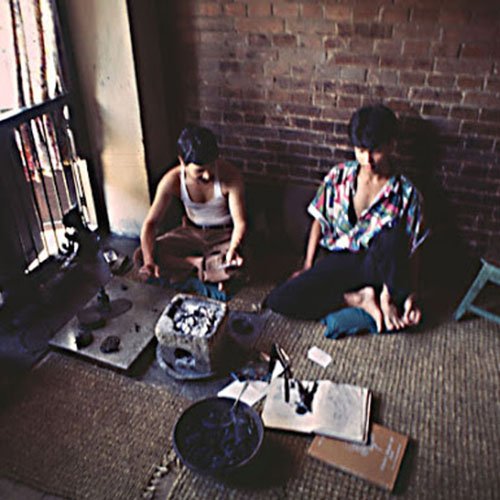
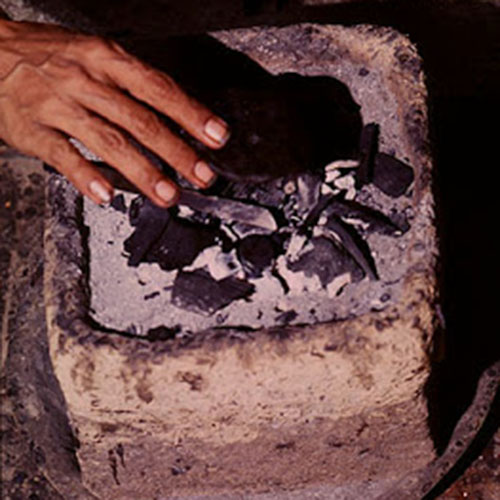

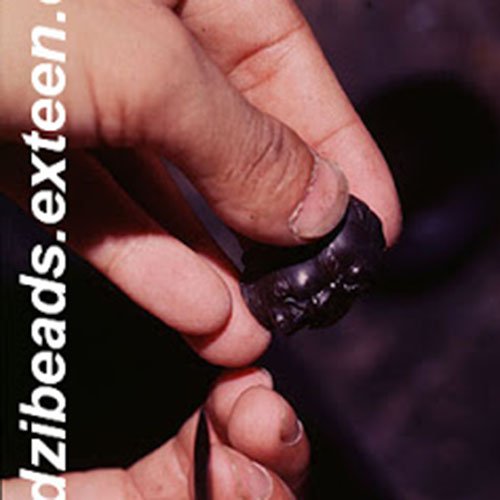


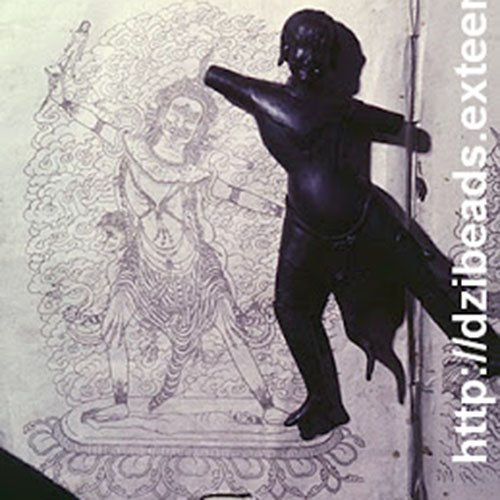


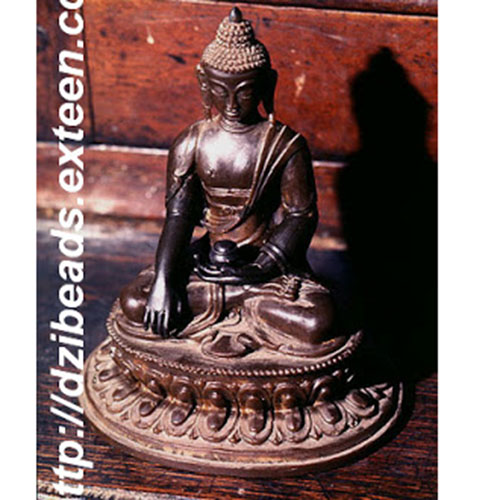

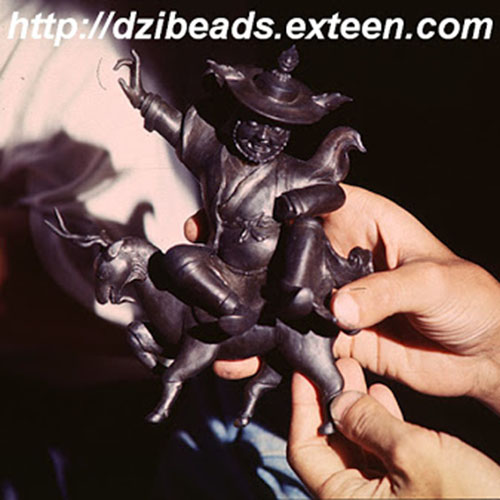
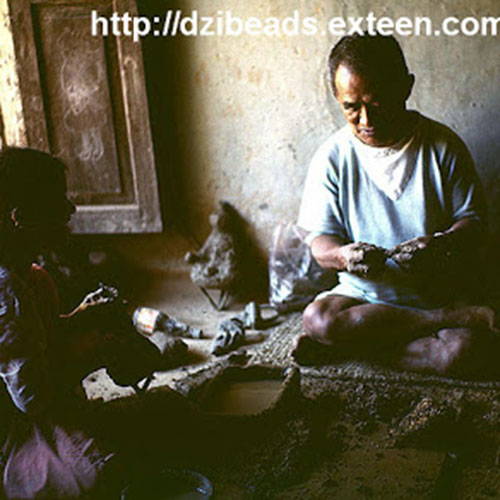
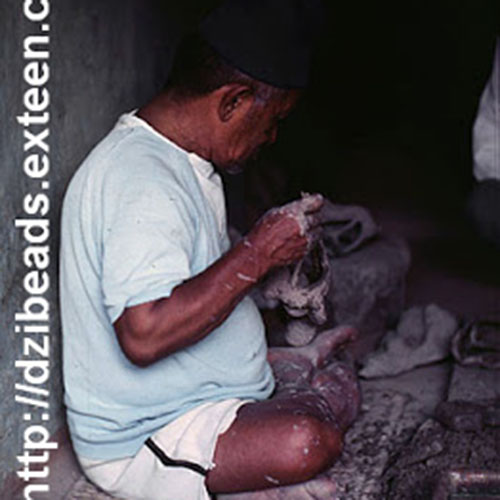

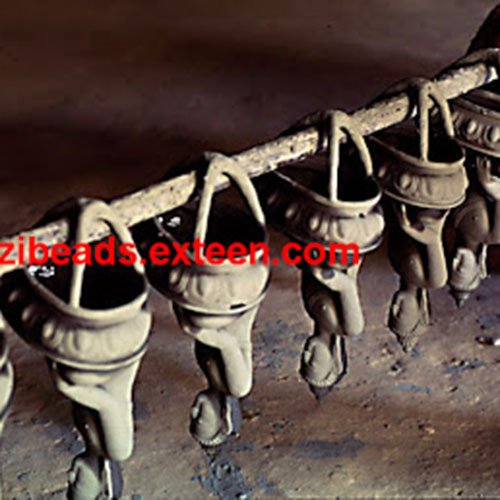
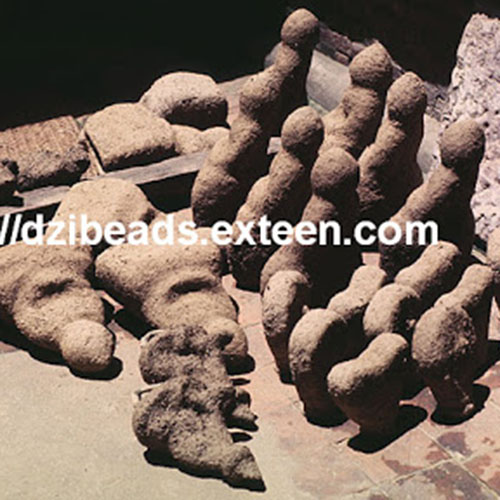
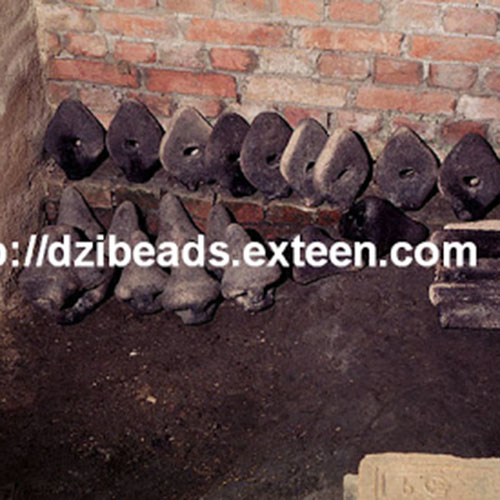
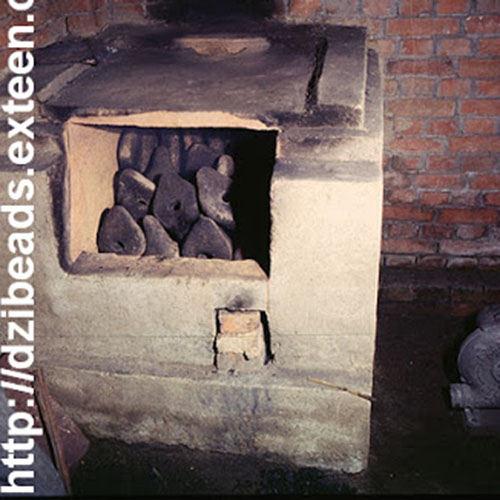
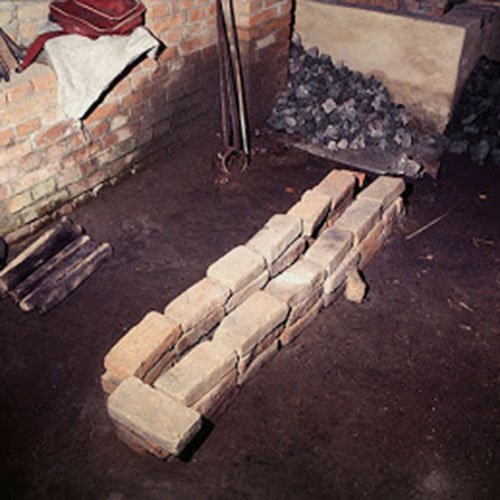
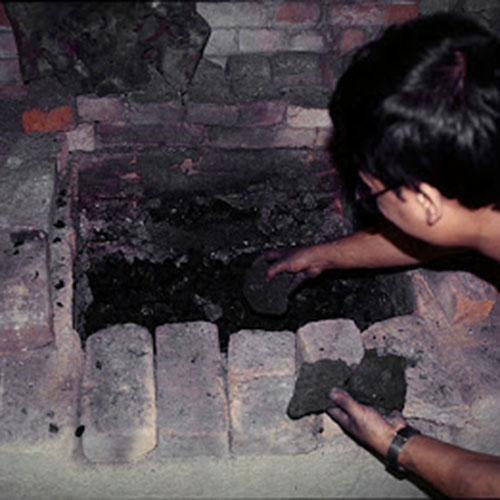

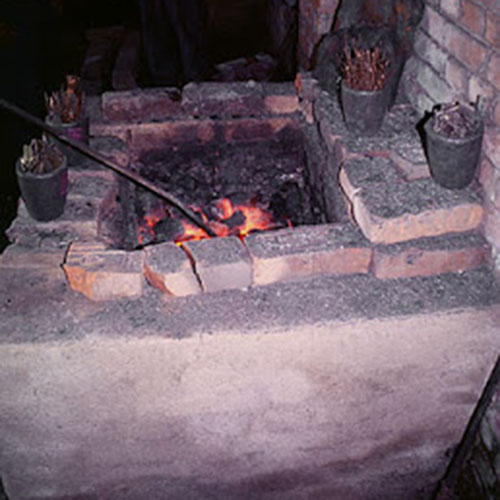
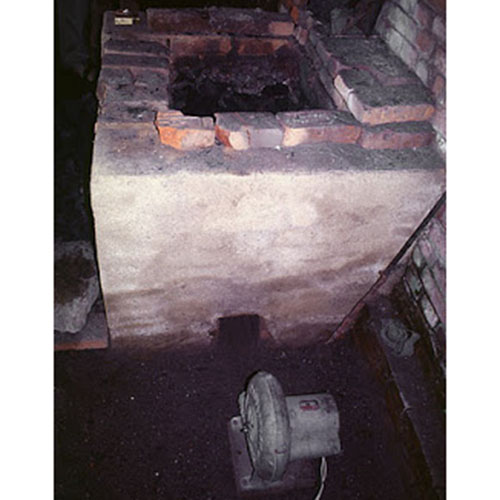
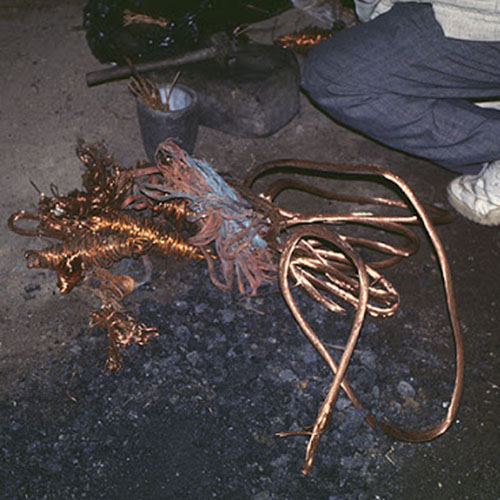
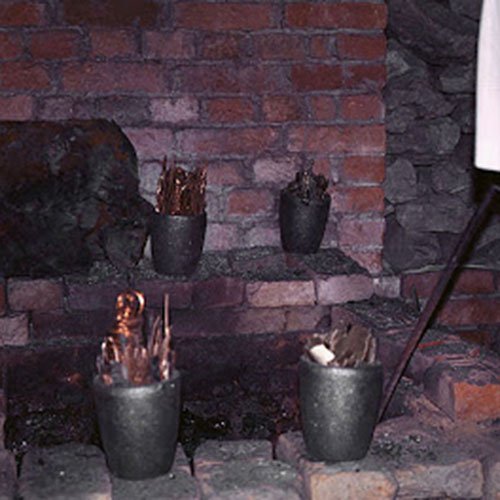
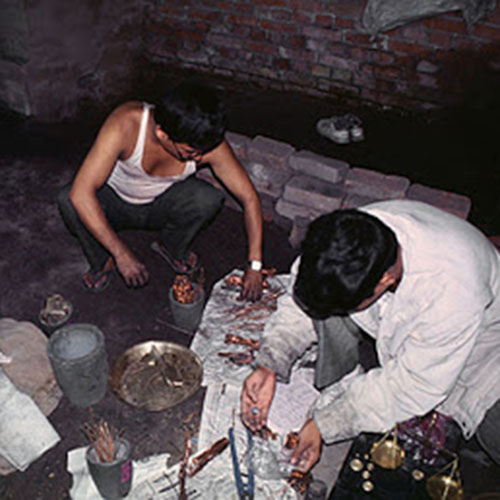


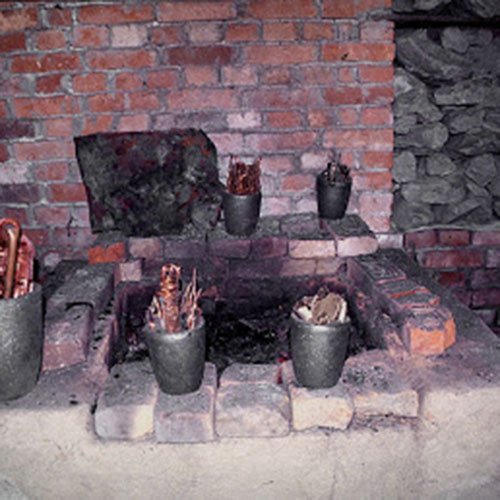
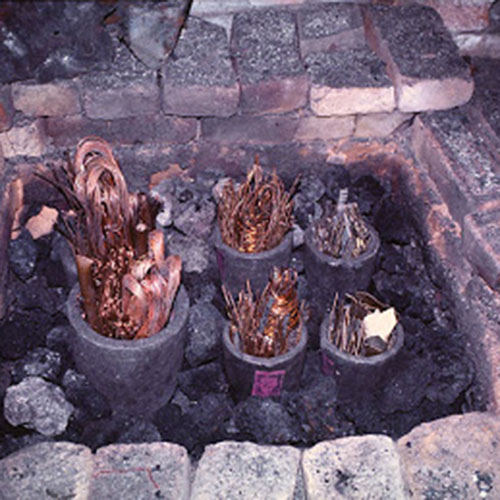
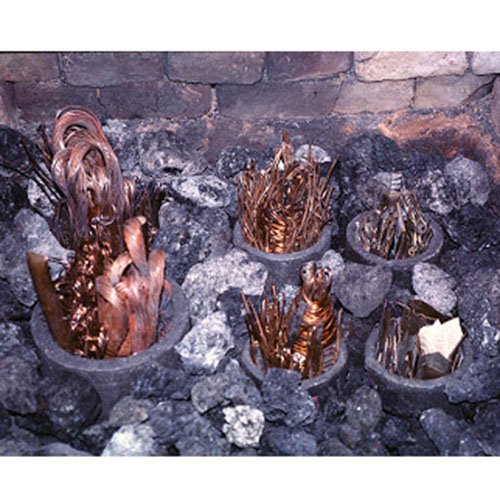

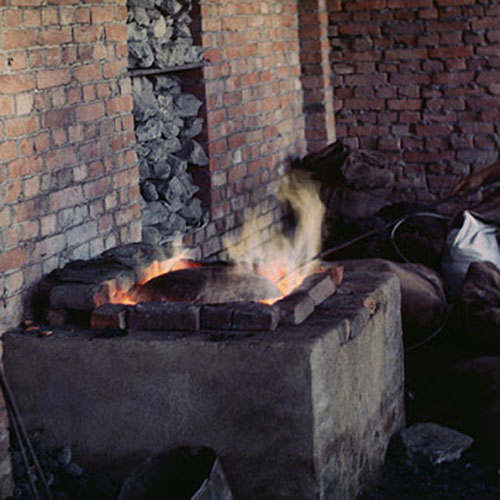

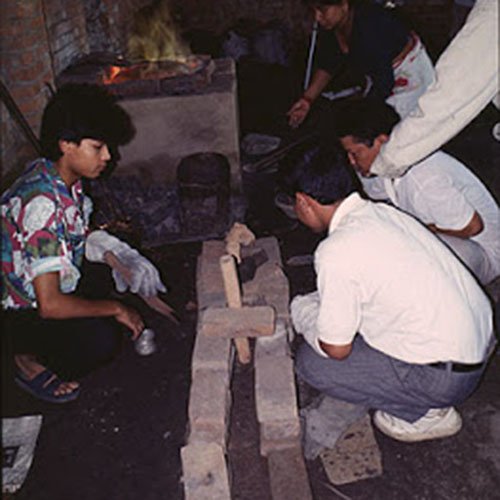
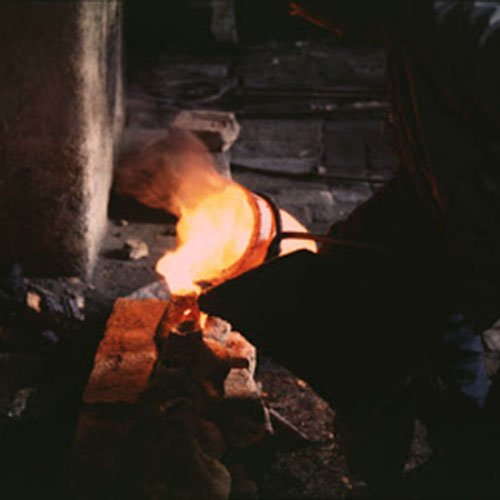


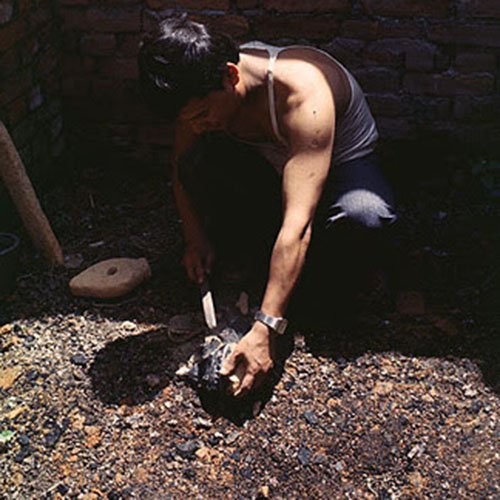

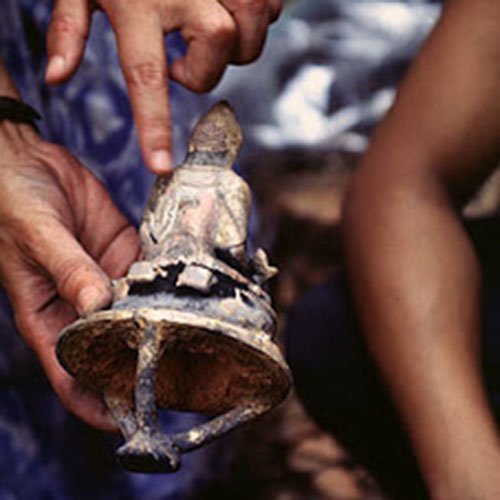

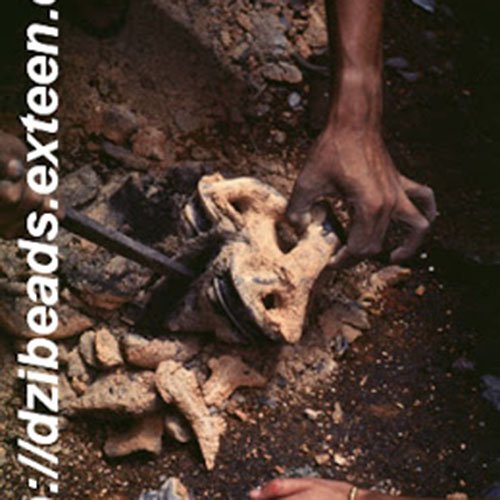


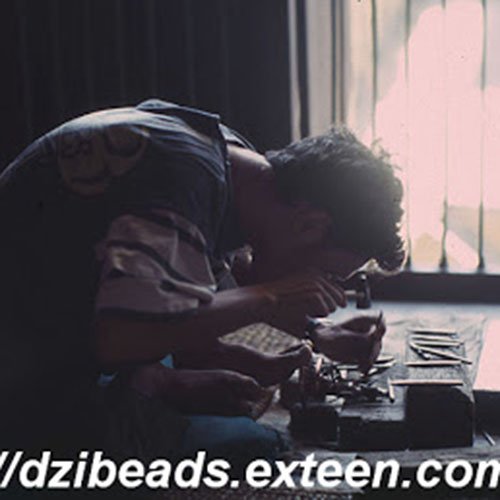


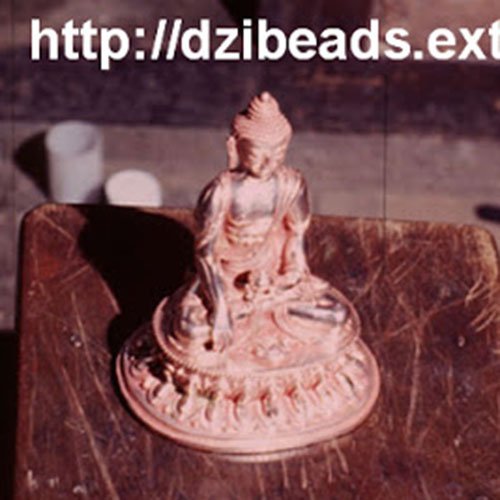
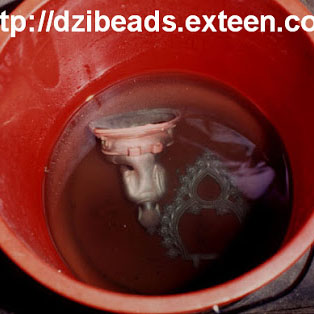
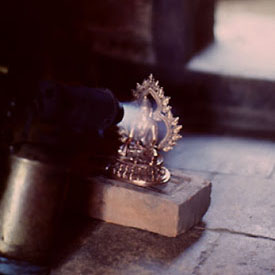
The Five Dhyani Buddhas Explained :
To truly understand Buddhist deities, one must examine the specific attributes of each Dhyani Buddha.
Quick Reference: The Pancha Buddha Attributes
| Name | Direction | Color | Mudra (Gesture) | Symbol | Wisdom | Element |
| Vairocana | Center | White | Dharmachakra (Teaching) | Dharma Wheel | All-Accommodating | Space / Ether |
| Akshobhya | East | Blue | Bhumisparsha (Earth-touching) | Vajra (Thunderbolt) | Mirror-like | Water |
| Ratnasambhava | South | Yellow | Varada (Generosity) | Jewel | Equanimity | Earth |
| Amitabha | West | Red | Dhyana (Meditation) | Lotus | Discriminating | Fire |
| Amoghasiddhi | North | Green | Abhaya (Fearlessness) | Double Vajra | All-Accomplishing | Air / Wind |
Vairocana Buddha
Meaning of the Name: "He who is like the sun" or "The Illuminator."
Spiritual Significance: Vairocana occupies the center of the mandala. He represents the ultimate, pure reality of the Dharma. Meditating on Vairocana transforms the poison of ignorance and delusion into the Wisdom of the Universal Law (All-Accommodating Wisdom).
Akshobhya Buddha
Meaning of the Name: "The Immovable One" or "The Unshakable."
Spiritual Significance: Facing the East, Akshobhya is associated with consciousness. His earth-touching mudra recalls the historical Buddha's triumph over Mara. He transforms the poison of anger and hatred into Mirror-like Wisdom, allowing one to see reality exactly as it is, without distortion.
Ratnasambhava Buddha
Meaning of the Name: "Born from the Jewel."
Spiritual Significance: Situated in the South, Ratnasambhava represents richness and spiritual wealth. His gesture of giving signifies boundless compassion. He transforms the poison of pride and greed into the Wisdom of Equanimity, recognizing the inherent equality of all beings.
Amitabha Buddha
Meaning of the Name: "Boundless Light" or "Infinite Light."
Spiritual Significance: Residing in the West (the Pure Land of Sukhavati), Amitabha is one of the most widely venerated Buddhas. He transforms the poison of lust, attachment, and desire into Discriminating Awareness Wisdom, the ability to understand the unique nature of all phenomena while recognizing their underlying unity.
Amoghasiddhi Buddha
Meaning of the Name: "Unfailing Success" or "Almighty Conqueror."
Spiritual Significance: Placed in the North, Amoghasiddhi represents the fearless action of a Buddha. His raised hand offers protection to all beings. He transforms the poison of jealousy and envy into All-Accomplishing Wisdom, enabling effortless, compassionate action for the benefit of all.
Symbolism of Pancha Buddha
The Pancha Buddha framework is highly systematic. Its symbolism maps the path of spiritual transformation.
Five Wisdoms: Each Buddha represents a specific facet of enlightenment, proving that the mind's impurities can be purified into brilliant awareness.
Five Elements: The physical universe (space, water, earth, fire, and air) is inextricably linked to the spiritual realm, showing the harmony between macrocosm and microcosm.
Five Directions: By covering the center and the four cardinal directions, the Dhyani Buddhas offer a blueprint for creating a sacred space (mandala) anywhere.
Transformation of Human Emotions: Vajrayana Buddhism does not seek to suppress negative emotions; rather, it uses tantric practices to transmute anger, pride, attachment, jealousy, and ignorance into pure spiritual fuel.
Pancha Buddha in Buddhist Art :
Traditional Depictions
In Himalayan Buddhist art, the Five Dhyani Buddhas are frequently depicted together.
Thangkas: Painted scrolls show the Buddhas arranged in a precise mandala layout, with Vairocana in the center and the other four at the cardinal points.
Mandalas: Geometric spiritual maps use the colors of the Pancha Buddha to guide meditation.
Statues: A Five Buddha statue set is often placed on primary altars. They share similar physical proportions and monastic robes but are distinguished uniquely by their specific hand gestures (mudras), colors, and seating atop different animal thrones (such as the lion, elephant, horse, peacock, and garuda).
Importance in Monasteries and Temples
No Tibetan or Newar Buddhist monastery is complete without representations of the Pancha Buddha. Their icons crown the arches of doorways, embellish the peaks of stupas, and sit on the highest tiers of the main shrine, radiating blessings to all who enter.
Handmade Pancha Buddha Statues from Nepal
Nepal, particularly the Kathmandu Valley, is the historical epicenter for crafting premium Buddhist sculpture. If you are looking for a handmade Pancha Buddha, understanding the craftsmanship is essential.
Traditional Lost-Wax Casting Process
Nepal Handicrafts are famous worldwide for the ancient lost-wax casting technique. Artisans sculpt a precise model in beeswax, encase it in clay, and fire it. The wax melts away ("lost wax"), leaving a perfect mold for pouring molten copper, bronze, or brass. This ensures every Vajrayana Buddhist statue is a unique, unrepeatable masterpiece.
Hand Carving and Finishing Techniques
Once cast, master artisans spend weeksâsometimes monthsâchasing and hand-carving the metal. They refine the intricate floral motifs on the robes, sharpen the facial features to express deep serenity, and perfect the symbolic implements.
Fire Gilding and Precious Metals
For premium Buddhist altar statues, artisans use an ancient fire gilding process, applying an amalgam of pure 24K gold and mercury. When heated, the mercury evaporates, leaving a thick, brilliant layer of gold permanently bonded to the copper or bronze base. Statues can be crafted in copper, brass, bronze, silver, or pure gold, often adorned with semi-precious stones like turquoise, lapis lazuli, and coral.
Benefits of Keeping a Pancha Buddha Statue
Owning a Pancha Buddha Statue set is far more than an aesthetic choice.
Meditation Support: They act as focal points for visualization practices. A Buddhist meditation statue helps steady the mind and reminds the practitioner of the specific wisdom they are cultivating.
Spiritual Inspiration: The presence of the Five Buddhas transforms an ordinary room into a sacred space, fostering peace, mindfulness, and discipline.
Symbol of Wisdom and Compassion: They serve as daily visual reminders to overcome negative emotions and cultivate a compassionate heart.
Sacred Art Collection: Authentic Nepalese Buddha statues hold immense cultural value and often appreciate as heirloom pieces of fine art.
How to Choose an Authentic Pancha Buddha Statue :
When sourcing a statue for your home or monastery, keep these factors in mind:
Materials: Copper is the traditional and most auspicious base metal for gilding. Bronze and brass are excellent, highly durable alternatives.
Craftsmanship: Look for serene, proportional facial features. The eyes should convey deep compassion. The intricate details of the hands (mudras) should be crisp and precise.
Size Selection: For a personal Buddhist altar statue, 5 to 8 inches is standard. Monasteries and large meditation halls often require statues ranging from 12 inches to life-size.
Quality Indicators: Buy directly from trusted artisan sources like handmadestatue.com, which guarantees authentic, ethically sourced Nepal Handicrafts made by traditional Shakya and Bajracharya artisans.
Care and Maintenance Guide
To preserve the sacredness and beauty of your Tibetan Buddhist art:
Cleaning Methods: Never use harsh chemicals or abrasive cloths. Gently dust the statue with a soft, dry brush or a clean microfiber cloth.
Display Recommendations: Place the Pancha Buddha statues on a clean, elevated surface above eye level if possible. The standard arrangement places Vairocana in the center (or slightly elevated behind), Akshobhya (East/Front), Ratnasambhava (South/Right), Amitabha (West/Back), and Amoghasiddhi (North/Left).
Preservation Tips: Keep the statues out of direct, harsh sunlight and highly humid environments to prevent the oxidation of non-gilded copper or silver.
Why Buy Handmade Pancha Buddha Statues from Nepal?
Nepal has been the beating heart of Himalayan Buddhist art for over a thousand years. By choosing to purchase your handmade Buddhist statues directly from Nepal, you achieve three things:
Authentic Craftsmanship: You receive art created using methods passed down through generations, strictly adhering to scriptural proportions.
Traditional Buddhist Heritage: The artists deeply understand the spiritual iconography, ensuring your statue is ritually accurate.
Ethical Artisan Support: Purchasing from authentic sources directly sustains the livelihoods of indigenous Newar craftsmen, preserving a vital, endangered cultural heritage.
Frequently Asked Questions (FAQ) :
1. What is Pancha Buddha?
Pancha Buddha, or the Five Dhyani Buddhas, are five transcendent Buddhas in Vajrayana Buddhism representing the five primary qualities of the Buddha. They are central to tantric meditation and Buddhist cosmology.
2. Who are the Five Dhyani Buddhas?
The Five Dhyani Buddhas are Vairocana, Akshobhya, Ratnasambhava, Amitabha, and Amoghasiddhi.
3. What does each Buddha symbolize?
Each Buddha symbolizes the transformation of a specific negative emotion into wisdom: Vairocana (ignorance into universal wisdom), Akshobhya (anger into mirror-like wisdom), Ratnasambhava (pride into equanimity), Amitabha (attachment into discriminating wisdom), and Amoghasiddhi (jealousy into all-accomplishing wisdom).
4. Where should a Pancha Buddha statue be placed?
They should be placed on a dedicated altar, high up in a clean, quiet room. They are traditionally arranged in a mandala formation or in a straight line with Vairocana in the center.
5. Is Pancha Buddha suitable for meditation?
Yes. Visualizing the Five Dhyani Buddhas is a core practice in Vajrayana Buddhism used to purify the mind and cultivate enlightened qualities.
6. What materials are used in Pancha Buddha statues?
Authentic Nepalese statues are typically cast in copper, bronze, or brass using the lost-wax method. Premium statues are often partially or fully fire-gilded in 24K gold.
7. Why are Nepalese Pancha Buddha statues famous?
Nepalese artisans, particularly the Newar community of the Kathmandu Valley, have been the premier sculptors of Himalayan Buddhist art for centuries, known for their flawless lost-wax casting and intricate detailing.
8. How can I tell if a Pancha Buddha statue is authentic?
Authentic statues feature culturally accurate mudras, exact iconographic proportions, and high-quality hand-carved finishing. Purchasing from reputable specialized dealers like handmadestatue.com ensures authenticity.
9. What are the colors associated with the Five Buddhas?
Vairocana is white, Akshobhya is blue, Ratnasambhava is yellow, Amitabha is red, and Amoghasiddhi is green.
10. Can anyone keep a Pancha Buddha statue at home?
Yes. While they are powerful tools for tantric practitioners, anyone can keep a Pancha Buddha statue as a symbol of peace, compassion, and spiritual aesthetic, provided they are treated with respect.
11. Do Pancha Buddha statues need to be consecrated?
Practitioners usually have their statues consecrated (filled with mantras and blessed) by a qualified Buddhist lama to invite the spiritual presence of the deities into the physical form.
12. Where is the best place to buy a Handmade Pancha Buddha?
The best place to buy authentic, beautifully crafted pieces is directly from sources that partner with Kathmandu artisans, such as handmadestatue.com, ensuring you receive genuine Nepal Handicrafts.
You may also want to read the related articles :
Gold Plating in Statues | Making Process Of Metal Statues | Videos of statue Making Process | Service of Filling and blessing in Statue | Altering Finishing in StatueAt Handmade Statue, we aim to provide a seamless and user-friendly experience. While our website is not a direct online shopping platform, we have a shopping cart system to make submitting your inquiries easy. Follow these steps to place your order:
Step 1: Browse Our Products
Explore our website to discover a wide range of authentic Nepali handicrafts, including statues, thangkas, singing bowls, wood carvings, jewelry, and more. Click on any product to view detailed descriptions and images.
Step 2: Add Items to Your Inquiry Cart
Click the “Add to Inquiry Cart” button for each product you are interested in. This will help you organize your selections conveniently.
Step 3: Review Your Inquiry Cart
Once you’ve added all your items, review your cart to ensure accuracy before submitting your inquiry.
Step 4: Submit Your Inquiry
Click the “Submit Inquiry” button. Fill out the form with your contact details, selected products, and any specific questions or customization requests.
Step 5: Communicate via Email
Since we don’t have an automated payment system, our team will respond to your inquiry via email. We’ll provide guidance, answer questions, and assist with customization requests.
Step 6: Finalize Your Order
Confirm all product details and customization options with our team. Once everything is finalized, we will provide secure payment instructions.
Step 7: Complete Your Payment
Make the payment through the provided method. After confirmation, we will process and prepare your order for shipment.
Step 8: Shipping and Delivery
We offer worldwide shipping. Once your order is dispatched, we will provide tracking details and shipping information.
Step 9: Receive and Enjoy Your Handicrafts
Unpack your beautiful handmade Nepali products and enjoy the craftsmanship and cultural heritage of Nepal.
Need Assistance?
If you face any issues or have questions while placing your order, contact us via email or mobile communication apps. Our team is dedicated to providing prompt support and a smooth ordering experience.
We hope this straightforward ordering process ensures a delightful and satisfying experience with Handmade Statue. Thank you for choosing us to connect you with the rich heritage of Nepali handicrafts.
Return Policy
We have a 7 days money back policy but buyer have to pay the return shipping charges.
Shipping
- Shipping cost is calculated, based on the shipping weight of the products ordered. THe normal Shipping cost is US$25 for upto 0.5 kgs weight
- We ship Worldwide, Except Russia and India.
- The deliver duration varies for international Shipping location. We normally dispatch the product in 2 -3 business days. Else Buyer will be infromed Personally about the shipping.
Related Products
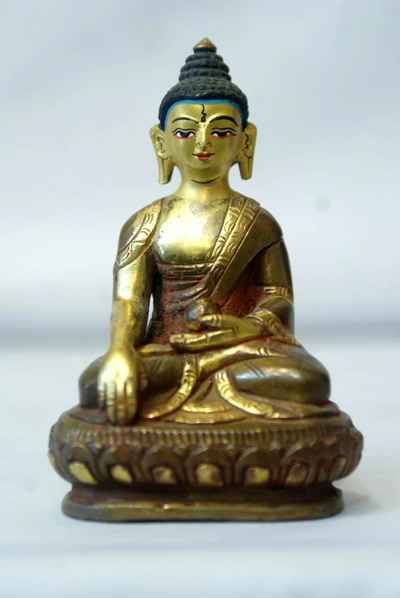
8cm Shakyamuni Buddha Statue, Partly Gold Plated, Painted Face
Weight : 0.3kg | [8677]
US$40
US$35
You Save
US$5
(20%)
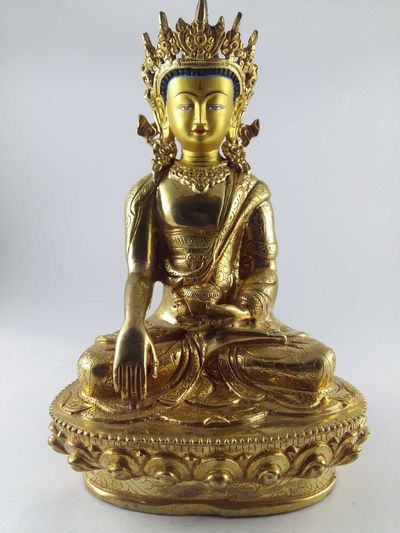
22cm Statue Full Fire Gold Plated, Painted Face
Weight : 1.2kg | [13351]
US$140
US$115
You Save
US$25
(20%)
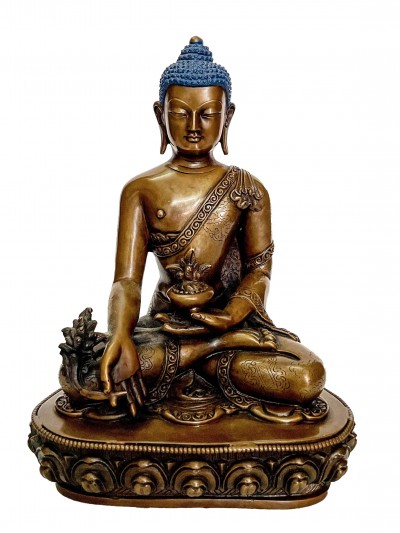
18cm Buddhist Statue Of Medicine Buddha, Chocolate Oxidized
Weight : 1.02kg | [24335]
US$460
US$370
You Save
US$90
(20%)
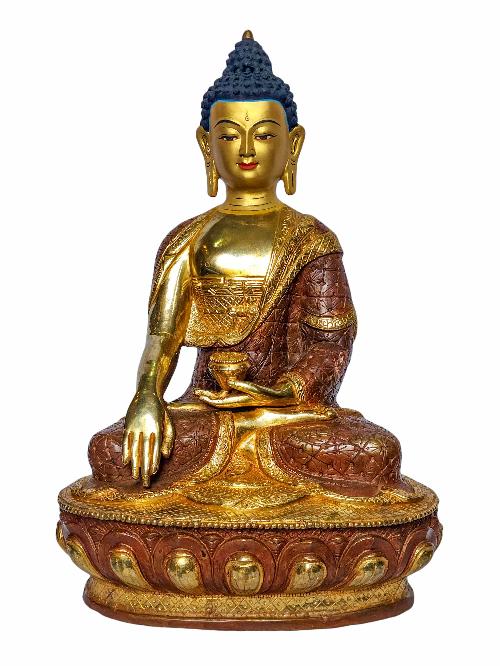
34cm Shakyamuni Buddha, Buddhist Handmade Statue, Face Painted, Partly Gold Plated And Chocolate Oxidized
Weight : 3.52kg | [32534]
US$600
US$480
You Save
US$120
(20%)

28cm Shakyamuni Buddha, Buddhist Handmade Statue, Chocolate Oxidized, High Quality
Weight : 3.58kg | [34437]
US$780
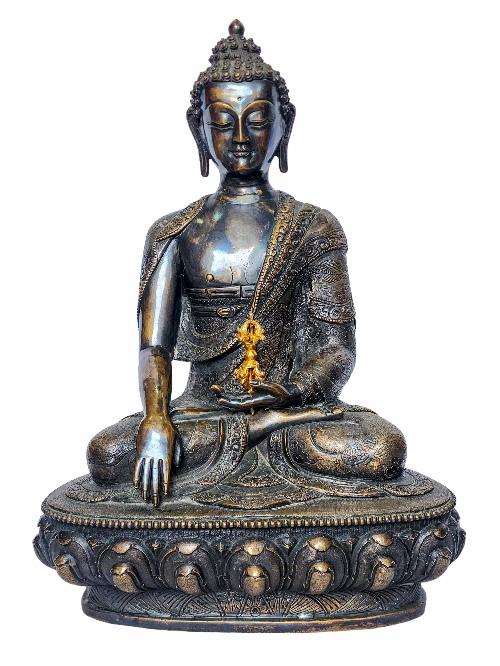
32cm Shakyamuni Buddha, Buddhist Handmade Statue, Black Oxidized
Weight : 3.97kg | [32553]
US$800
US$640
You Save
US$160
(20%)
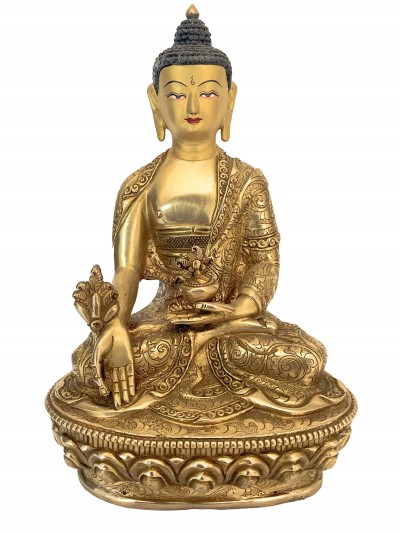
21cm Handmade Nepali Statue Of Buddha, Full Gold Plated
Weight : 1.14kg | [22344]
US$360
US$290
You Save
US$70
(20%)
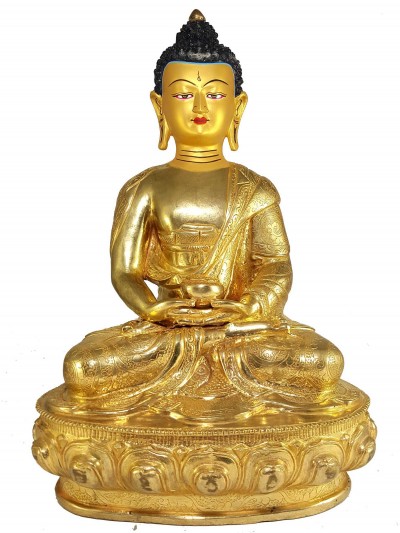
31cm Statue Of Amitabha Buddha Full Fire Gold Plated And Painted Face
Weight : 2.8kg | [16100]
US$380
US$305
You Save
US$75
(20%)