The shipping weight for 1 piece of the product is 2.50 kg, and shipping cost is USD53.00.
Country
Shipping Mode
We normally dispatch orders within 2 to 5 business days. If there are any delays, we will personally inform the buyer about the dispatch date.
We accept Paypal | Credit/Debit Card | Bank Transfer | Money Transfer / Remit Click Here for more Information.
We offer a simple 7-day money-back policy, with the buyer responsible for return shipping. Click Here for more Information.
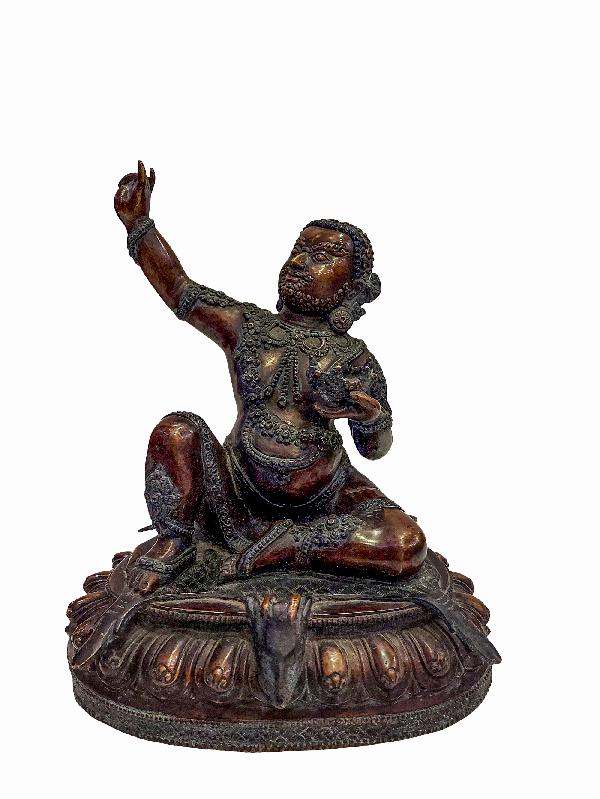
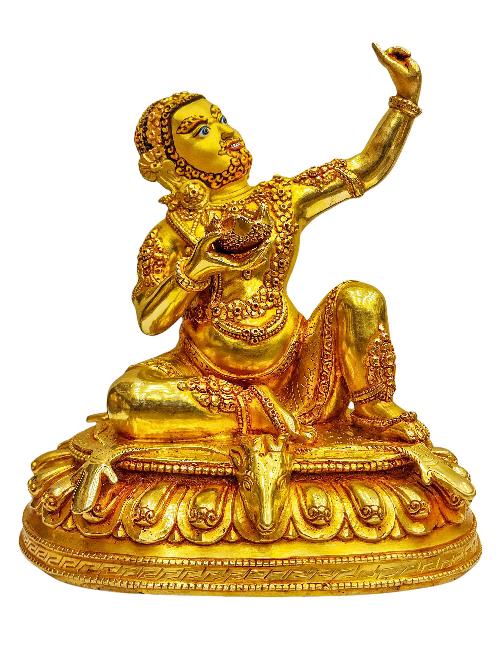
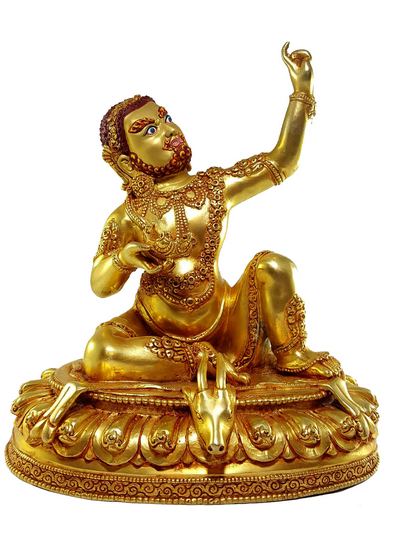
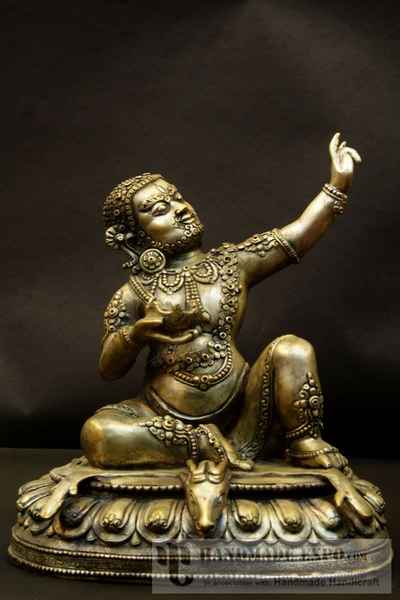
Milarepa :
Milarepa is one of the most widely known Tibetan Saints. In a superhuman effort, he rose above the miseries of his younger life and with the help of his Guru, Marpa the Translator, took to a solitary life of meditation until he had achieved the pinnacle of the enlightened state, never to be born again into the Samsara (whirlpool of life and death) of worldly existence. Out of compassion for humanity, he undertook the most rigid asceticism to reach the Buddhic state of enlightenment and to pass his accomplishments on to the rest of humanity. His spiritual lineage was passed along to his chief disciples, Gambopa and Rechung. It was Rechung who recorded in detail the incidents of Milarepa's life for posterity. The narrative of his life has thus been passed down through almost a millennium of time and has become an integral part of Tibetan culture. In addition to Rechung's narrative of his life, summarized below, Milarepa extemporaneously composed innumerable songs throughout his life relevant to the dramatic turns of events of himself and his disciples in accordance with an art form that was in practice at the time. These songs have been widely sung and studied in Tibet ever since and have been recorded as the Hundred Thousand Songs of Milarepa. His faithful devotion, boundless religious zeal, monumental forbearance, superhuman perseverance, and ultimate final attainment are a great inspiration today for all. His auspicious life illumined the Buddhist faith and brought the light of wisdom to sentient beings everywhere.
Silver and Chocolate Oxidized
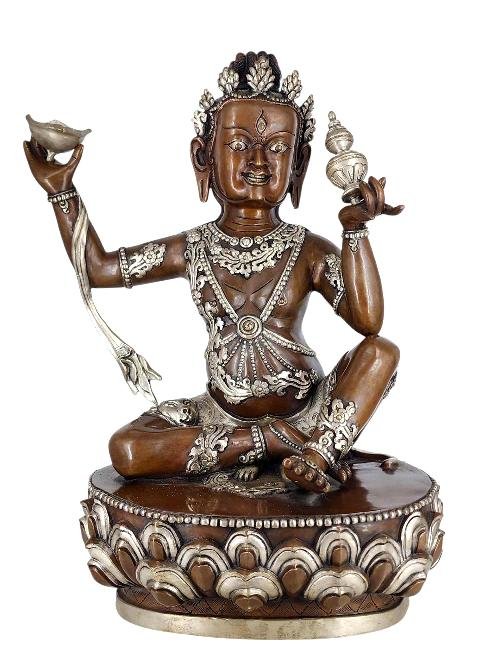
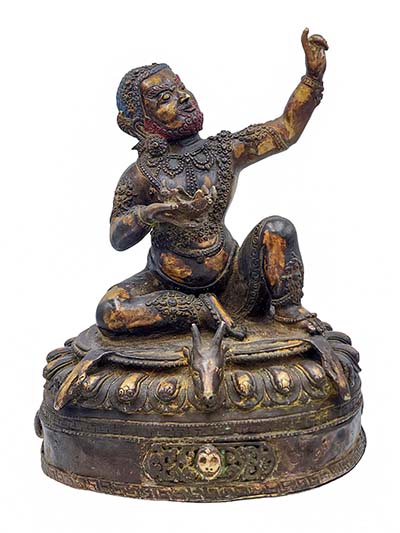
The Milarepa features a captivating combination of partly silver plating and dark oxidation. This unique finishing technique combines the lustrous shine of silver with the rich, deep tones achieved through oxidation. In the process of creating this finish, selected areas of the Milarepa are expertly silver-plated, creating a radiant and reflective surface that catches the light. The remaining areas are intentionally oxidized, resulting in a darkened patina that adds depth and character to the piece.
The contrast between the silver plating and dark oxidation creates a visually striking effect, enhancing the intricate details and contours of the Milarepa. This combination of techniques not only adds visual interest but also provides a sense of antiquity and time-worn charm to the statue.
The partly silver plating and dark oxidation finishing is a testament to the craftsmanship and artistic vision of the creators. It showcases their ability to harmonize different elements, resulting in a distinctive and captivating aesthetic for the Milarepa.
Read More . . .
Lost-Wax System
This Virupa Mahasiddha of Milarepa is made by the process of the Lost Wax system. This is a very complicated, time consuming and historic process of making metal sculptures.Which is why it is sometimes called Precision Casting as well. Hence the sculptures made by this process are comparatively expensive. There are many new, advanced and less time consuming methods of casting metal sculptures available as well. But due to the benefits provided by the traditional lost wax system in quality control and customization, we prefer the Loss wax system over Ceramic molding, or sand casting to make our Virupa Mahasiddha.
Below we have tried to illustrate the process of making a loss wax system statue:
The method of metal casting in which a molten metal is poured into a mold that has been created by means of a wax model. Once the mold is made, the wax model is melted and drained away. Bronze statues come to life differently than marble statues. Instead of carving a block or marble, the bronze artist uses the lost-wax technique to make a series of molds, and then pours melted bronze into the final mold to create the sculpture. This method has been around since 4500 BCE.
There are few important steps in lost wax casting process :
Step 1: Sculpting ( It all starts in the studio with an idea, Then figuring out how to realize the vision in clay.)
Step 2: Mold Making.
Step 3: Wax Pouring.
Step 5: Wax Spruing.
Step 6: Shell Dipping.
Step 7: Bronze Pouring.
Interestingly enough Loss wax process is also called Investment casting because after layers have been formed and dried, the wax is melted out of the ceramic tree by using steam (120?C) in an autoclave. This is why it is called "lost wax casting". The majority of the molten wax which can then be regenerated and is reusable.
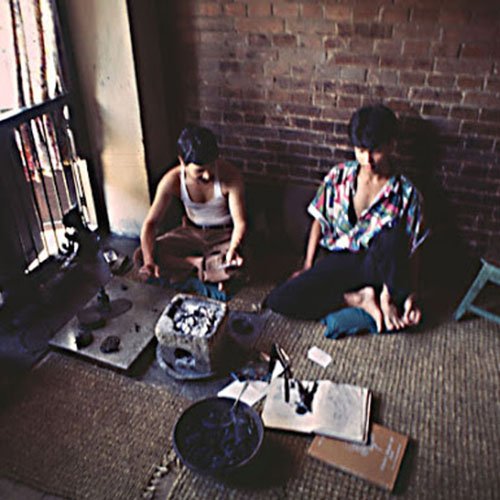
Before Making statue :At work room making the wax models.
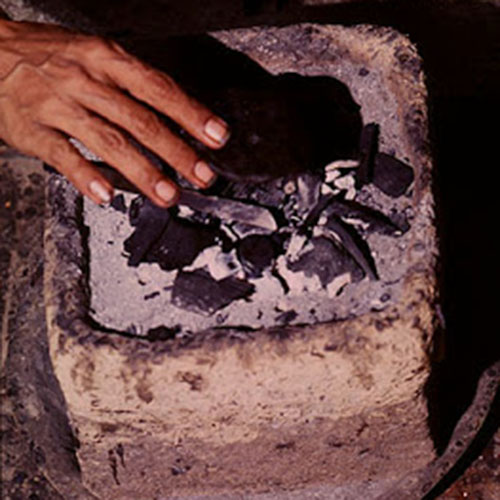
Softening a piece of wax over a brazier.
Relaxing after softening the wax The working environment with works in progress.
Working the face of an Ekajata wax model.
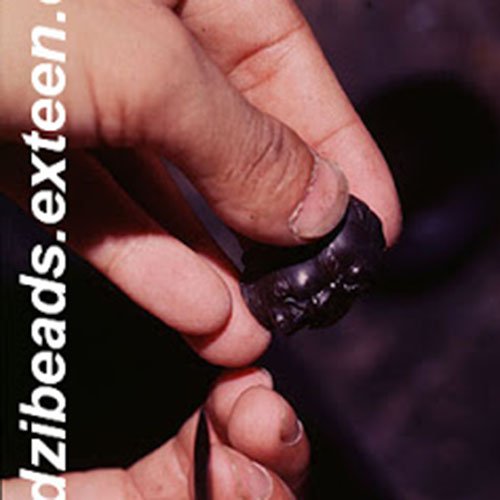
Working the face of wax model.Using a modeling tool to form the face of Ekajata.
Deatail of wax model
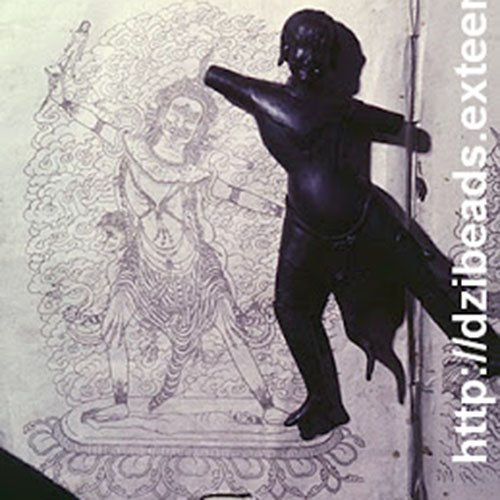
The design for Ekajata compared to the Tibetan book on which it was based.Statues Maker Are master in buddhism .
Detail of A partially finished Candamaharoshana (Acala) wax figure made in the Tibetan style.
A finished wax image of Mahakala.
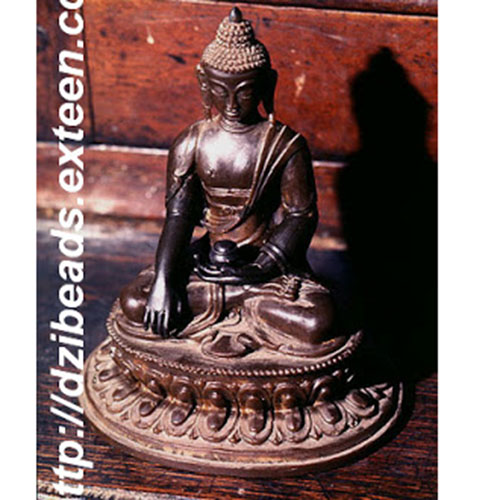
Anthor Finished Wax Model of Shakyamuni Buddha
One of the modelers working in the room shows the Pehar image on which he is working.
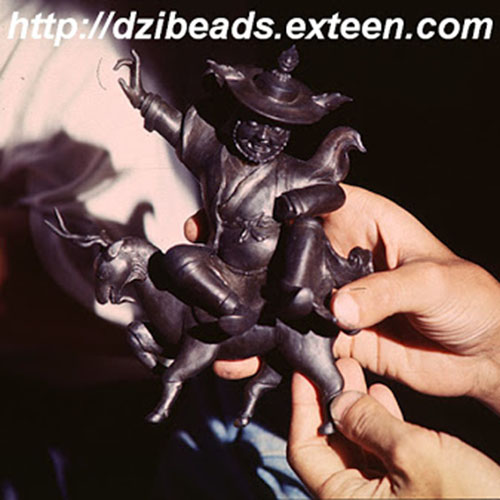
The artist showed how the goat , which had been completed earlier, fits under the image. ,
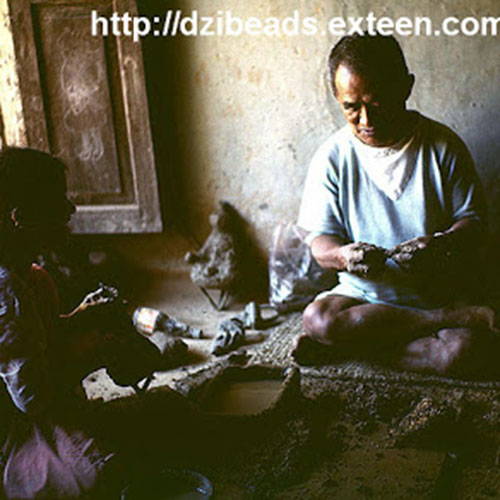
Tej Jyoti Shakya and his wife, Nani Maya Shakya Covering the wax model in a mixture of clay and dung
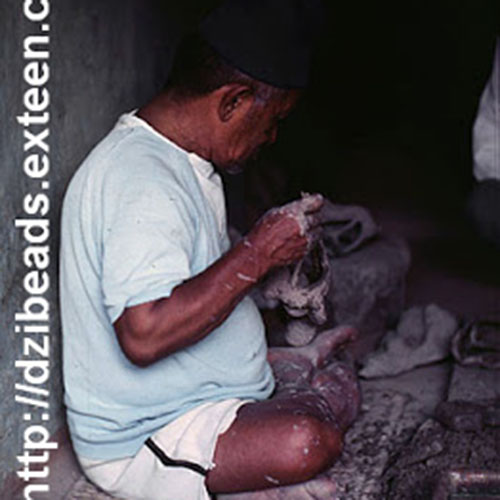
Pressing the mixture of clay and dung around the wax image.
The board with the clay and dung mixture ready for use.
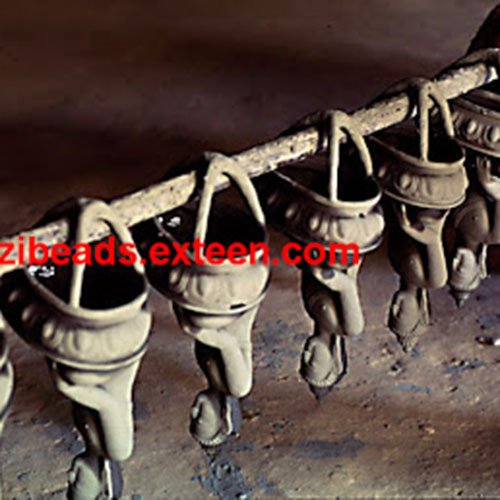
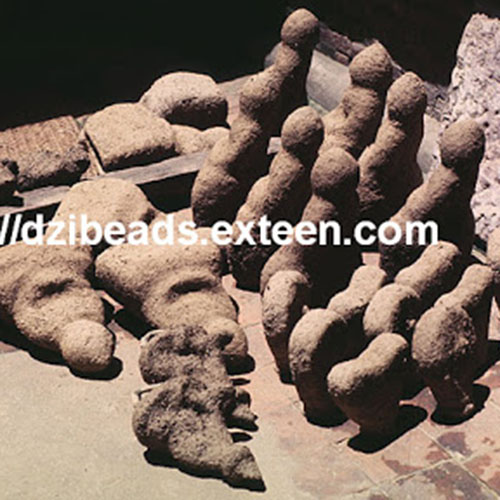
Model Pieces drying after the initial (dipped) thin layer of fine clay.
Clay-covered model pieces drying in the sun.
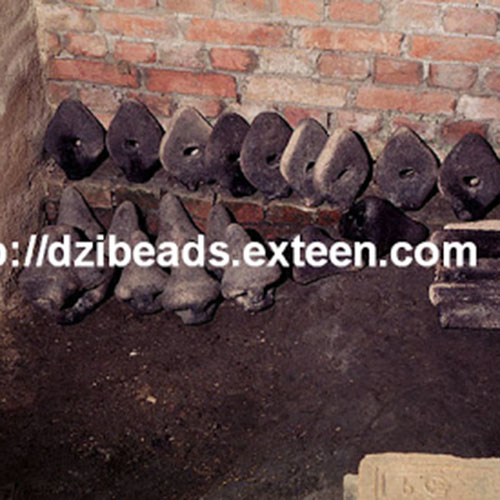
Molds waiting to be put into the burnout furnace
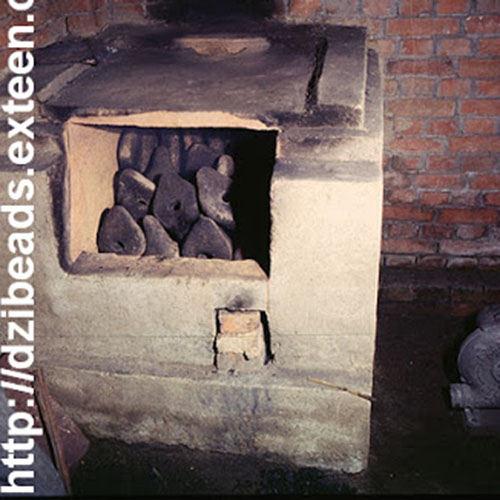
The same molds, seen in the previous image, in the burnout furnace
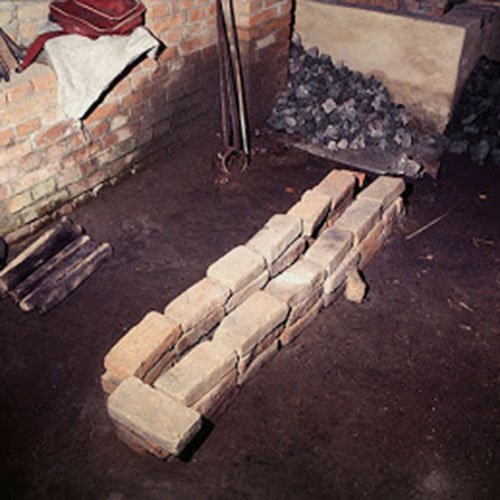
The double row of refractory bricks used to support the heated molds during casting.
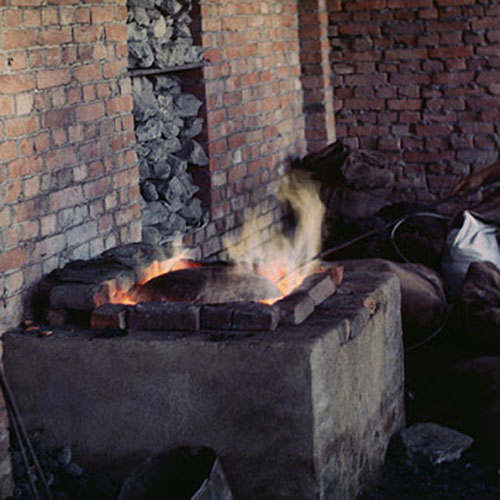
The melting furnace and a pile of coke used for melting the metals. Laying the bed of coke in the melting furnace.
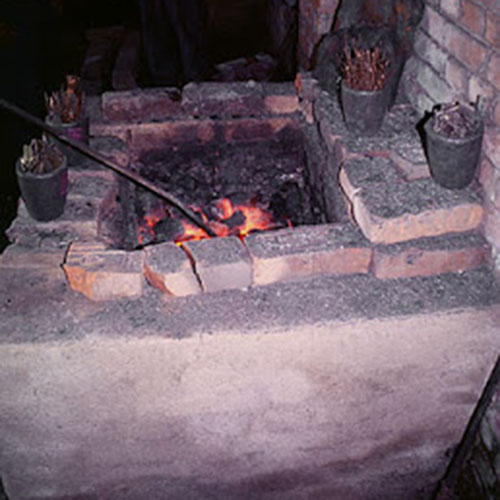
The first ignition of the coke.
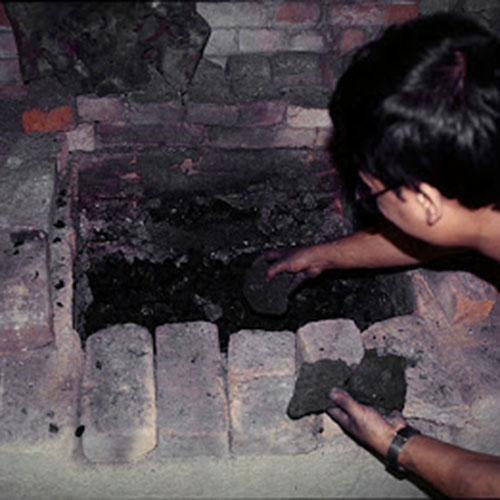
Checking the coke bed.
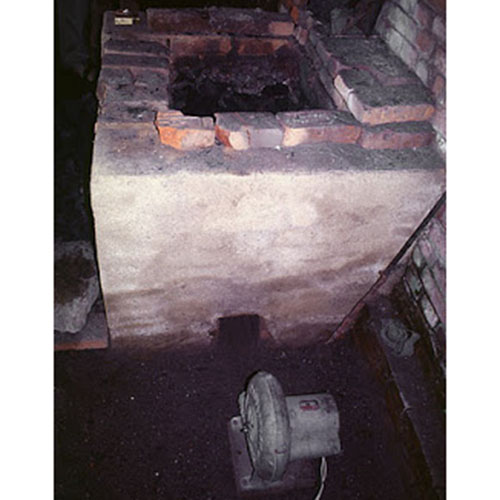
The electric blower used to force air into the melting furnace
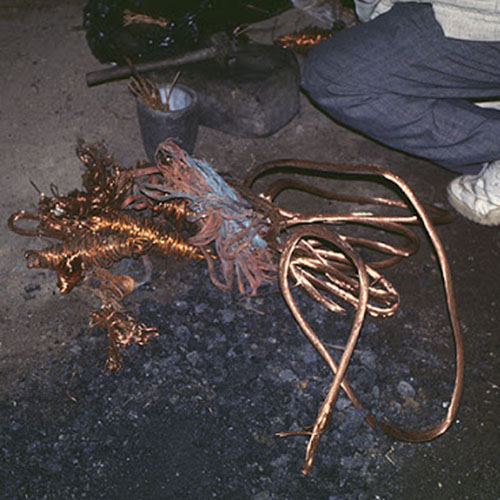
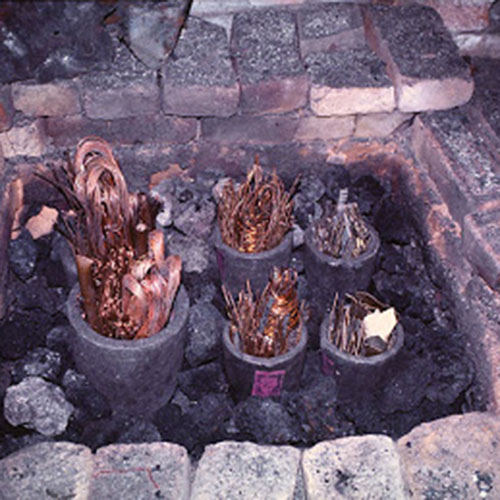
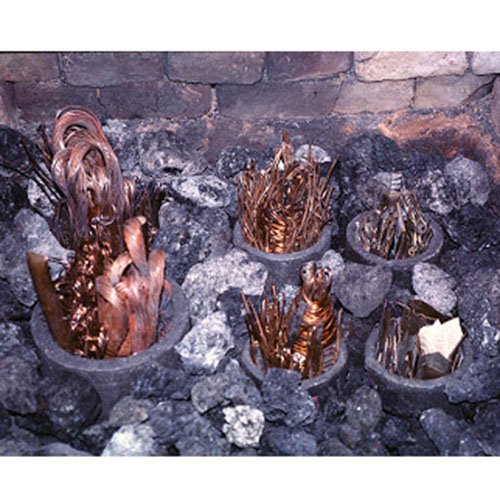
Beginning to fill the crucibles with scrap copper.
Preparing the bed of burning coke to receive the crucibles
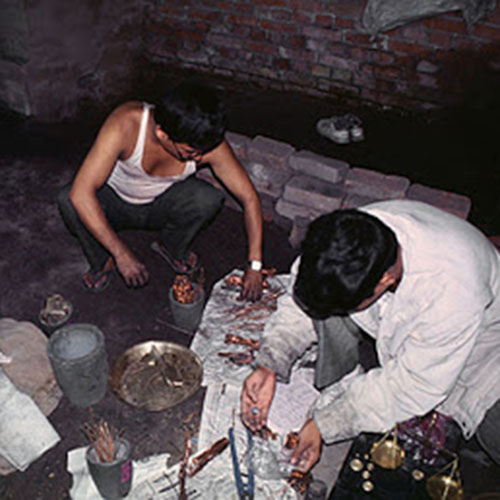
Sorting various metals used in the alloys.
Weighing precious metals that are used in the alloys
Weighing copper from Singapore to achieve a correct alloy.
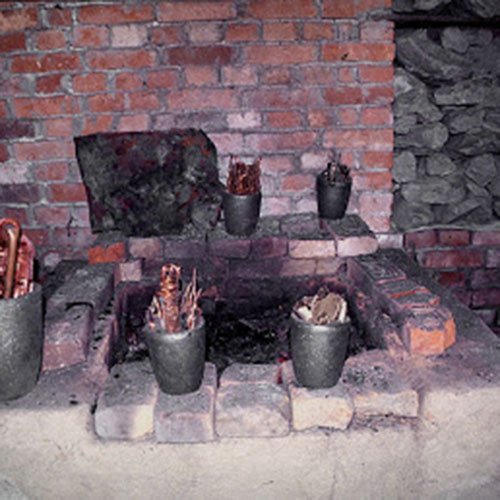
Different sizes of crucibles and various types of metals to be cast in this melt.
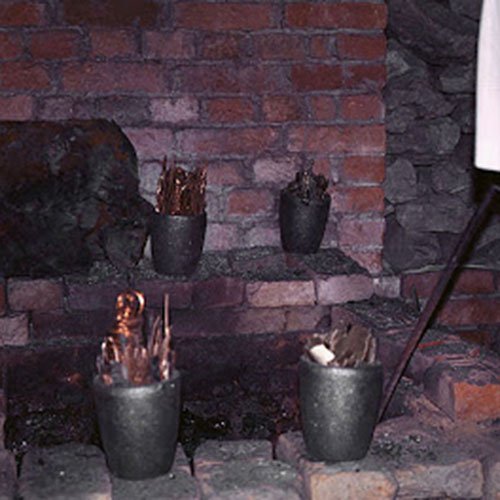
Placing the crucibles in the bed of coke filled with metal are in place.
After the crucibles are in place, more coke is piled around them.
The crucibles are covered with scrap metal to hold in the heat.
The electric fan is then connected.Soon a very hot flame is produced.
The entire furnace temperature goes up to about 1800 -1900 degrees.
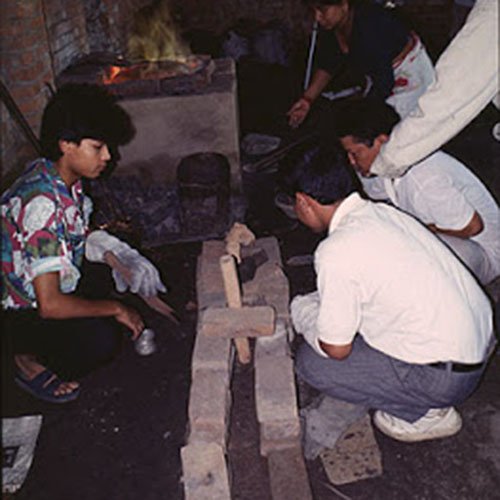
Setting up molds in between the refractory bricks to receive the molten metal. Handling the molds with asbestos gloves and bracing them with fragments of bricks.
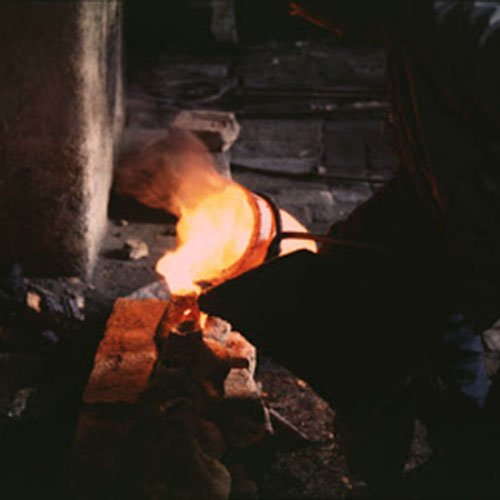
Pouring the molten metal into the base of a mold
Another view of the artists pouring the molten metal.Detailed view showing the molten metal being poured into the sprues.
Preparing to lift and pour molten metal from one of the larger crucibles.
Cooling a mold containing the recently poured metal.
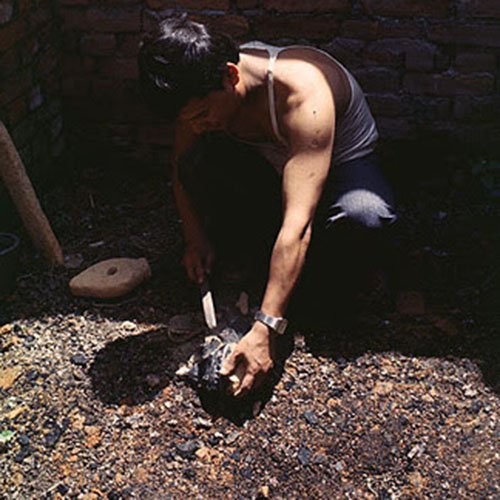
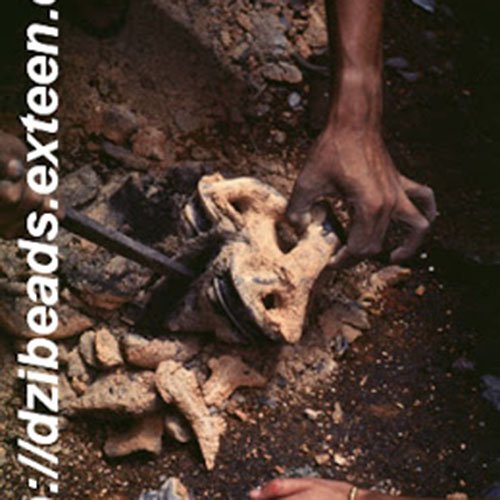
Beginning to break away the clay mold from the metal casting. The mold breaks away revealing the metal image inside
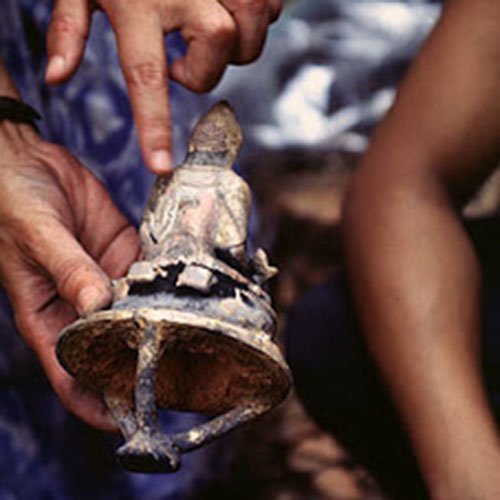
The first metal image from the day's work.
Examining the image for flaws
Two auras (prabhamandalas), one that cast perfectly and one (in front) that only partially filled.
Opening more molds
Researchers mark specific metal images for future identification.
Cleaning the details of the image with a metal tool.
Sawing off the sprues from Aura image. The sprue metal will be reused in future castings.
Two auras that worked perfectly. The one on the right has been cut off of the sprues, while the one on the left still has the sprues attached.
The finishing specialist begins the finishing process with a set of tools, including a small hammer. to give more detail
The entire surface of the image will be gently hammered to a final, almost polished finish.
The finisher's tools and the work in progress
Finishing work on an image of the Buddha.
Hammering the chest of an image that is being held against the work block
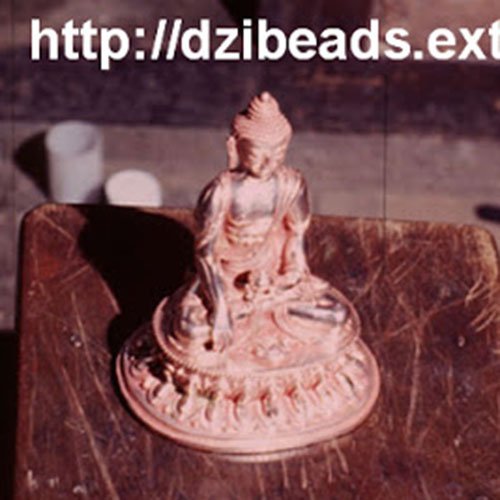
A Buddha image hammered and chased to the final, detailed finish.
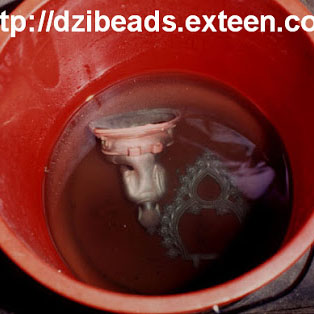
Cleaning in a very mild acid bath. The image and prabhamandala are placed in a final acidic bath to make sure the surface is absolutely clean.
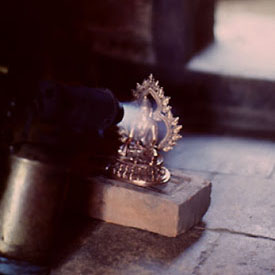
Drying the image with a blow torch.
Read More . . .
Iconography :
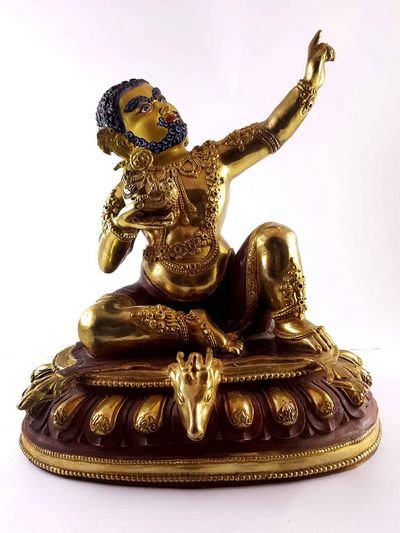
Milarepa is mostly seen sitted
Life Story :
Born in the village of Kya Ngatsa - also known as Tsa - in Gungthang province of western Tibet to a prosperous family he was named Mila Th?paga (Thos-pa-dga'), which means "A joy to hear." His family name, Josay indicates noble descent, a sept of the Khyungpo or eagle clan. When his father died, Milarepa's uncle and aunt took all of the family's wealth. At his mother's request, Milarepa left home and studied sorcery. While his aunt and uncle were having a party to celebrate the impending marriage of their son, he took his revenge by summoning a giant hail storm to demolish their house, killing 35 people, although the uncle and aunt are supposed to have survived. The villagers were angry and set off to look for Milarepa, but his mother got word to him and he sent a hailstorm to destroy their crops.
Many of Milarepa's deeds took place in Chokyi Dronma's homeland and his life and songs were compiled by Tsangnyon Heruka, sponsored by Chokyi Dronma's brother, the Gungthang king Thri Namgyal De.
Milarepa later lamented his evil ways in his older years: "In my youth I committed black deeds. In maturity I practiced innocence. Now, released from both good and evil, I have destroyed the root of karmic action and shall have no reason for action in the future. To say more than this would only cause weeping and laughter. What good would it do to tell you? I am an old man. Leave me in peace."
Linage :
Milarepa is famous for many of his songs and poems, in which he expresses the profundity of his realization of the dharma. He also had many disciples, male and female, including Rechung Dorje Drakpa (Ras-chung Rdo-rje Grags-pa) and Gampopa (Sgam-po-pa, Dhakpo Lhaje). His female disciples include Rechungma, Padarbum, Sahle Aui and Tsheringma.It was Gampopa who became Milarepa's spiritual successor, continued his lineage, and became one of the main lineage masters in Milarepa's tradition.
At Handmade Statue, we aim to provide a seamless and user-friendly experience. While our website is not a direct online shopping platform, we have a shopping cart system to make submitting your inquiries easy. Follow these steps to place your order:
Step 1: Browse Our Products
Explore our website to discover a wide range of authentic Nepali handicrafts, including statues, thangkas, singing bowls, wood carvings, jewelry, and more. Click on any product to view detailed descriptions and images.
Step 2: Add Items to Your Inquiry Cart
Click the “Add to Inquiry Cart” button for each product you are interested in. This will help you organize your selections conveniently.
Step 3: Review Your Inquiry Cart
Once you’ve added all your items, review your cart to ensure accuracy before submitting your inquiry.
Step 4: Submit Your Inquiry
Click the “Submit Inquiry” button. Fill out the form with your contact details, selected products, and any specific questions or customization requests.
Step 5: Communicate via Email
Since we don’t have an automated payment system, our team will respond to your inquiry via email. We’ll provide guidance, answer questions, and assist with customization requests.
Step 6: Finalize Your Order
Confirm all product details and customization options with our team. Once everything is finalized, we will provide secure payment instructions.
Step 7: Complete Your Payment
Make the payment through the provided method. After confirmation, we will process and prepare your order for shipment.
Step 8: Shipping and Delivery
We offer worldwide shipping. Once your order is dispatched, we will provide tracking details and shipping information.
Step 9: Receive and Enjoy Your Handicrafts
Unpack your beautiful handmade Nepali products and enjoy the craftsmanship and cultural heritage of Nepal.
Need Assistance? If you face any issues or have questions while placing your order, contact us via email or mobile communication apps. Our team is dedicated to providing prompt support and a smooth ordering experience. We hope this straightforward ordering process ensures a delightful and satisfying experience with Handmade Statue. Thank you for choosing us to connect you with the rich heritage of Nepali handicrafts.
Return Policy
We have a 7 days money back policy but buyer have to pay the return shipping charges.
Shipping
Shipping cost is calculated, based on the shipping weight of the products ordered. THe normal Shipping cost is US$25 for upto 0.5 kgs weight
We ship Worldwide, Except Russia and India.
The deliver duration varies for international Shipping location. We normally dispatch the product in 2 -3 business days. Else Buyer will be infromed Personally about the shipping.
This is not a direct shopping website. So no payments are needed for placing an order. Please feel free to send us an order for the product you are interested in, mentioning the approximate quantity. Based on which we will send you a wholesale price quotation.
Related Products
36cm Buddhist Handmade Statue Of Mahasiddha, Silver And Chocolate Oxidized
![[milarepa], Buddhist Handmade Statue, [silver And Chocolate Oxidized]](https://www.handmadeexpo.com/pics/product/35716.jpg)

![[milarepa], Buddhist Handmade Statue, [silver And Chocolate Oxidized]](https://www.handmadeexpo.com/pics/product/thumb/35716.jpg)
![[milarepa], Buddhist Handmade Statue, [silver And Chocolate Oxidized]](https://www.handmadeexpo.com/pics/product/thumb/35716_0.jpg)
![[milarepa], Buddhist Handmade Statue, [silver And Chocolate Oxidized]](https://www.handmadeexpo.com/pics/product/thumb/35716_1.jpg)
![[milarepa], Buddhist Handmade Statue, [silver And Chocolate Oxidized]](https://www.handmadeexpo.com/pics/product/thumb/35716_2.jpg)
![[milarepa], Buddhist Handmade Statue, [silver And Chocolate Oxidized]](https://www.handmadeexpo.com/pics/product/thumb/35716_3.jpg)
![[milarepa], Buddhist Handmade Statue, [silver And Chocolate Oxidized]](https://www.handmadeexpo.com/pics/product/thumb/35716_4.jpg)