Himalayan artisans have preserved strict iconographic rules for centuries, ensuring that every detail of a Buddha statue carries specific spiritual significance. For designers, collectors, and practitioners, understanding these visual elements enhances the appreciation of the artwork.Â
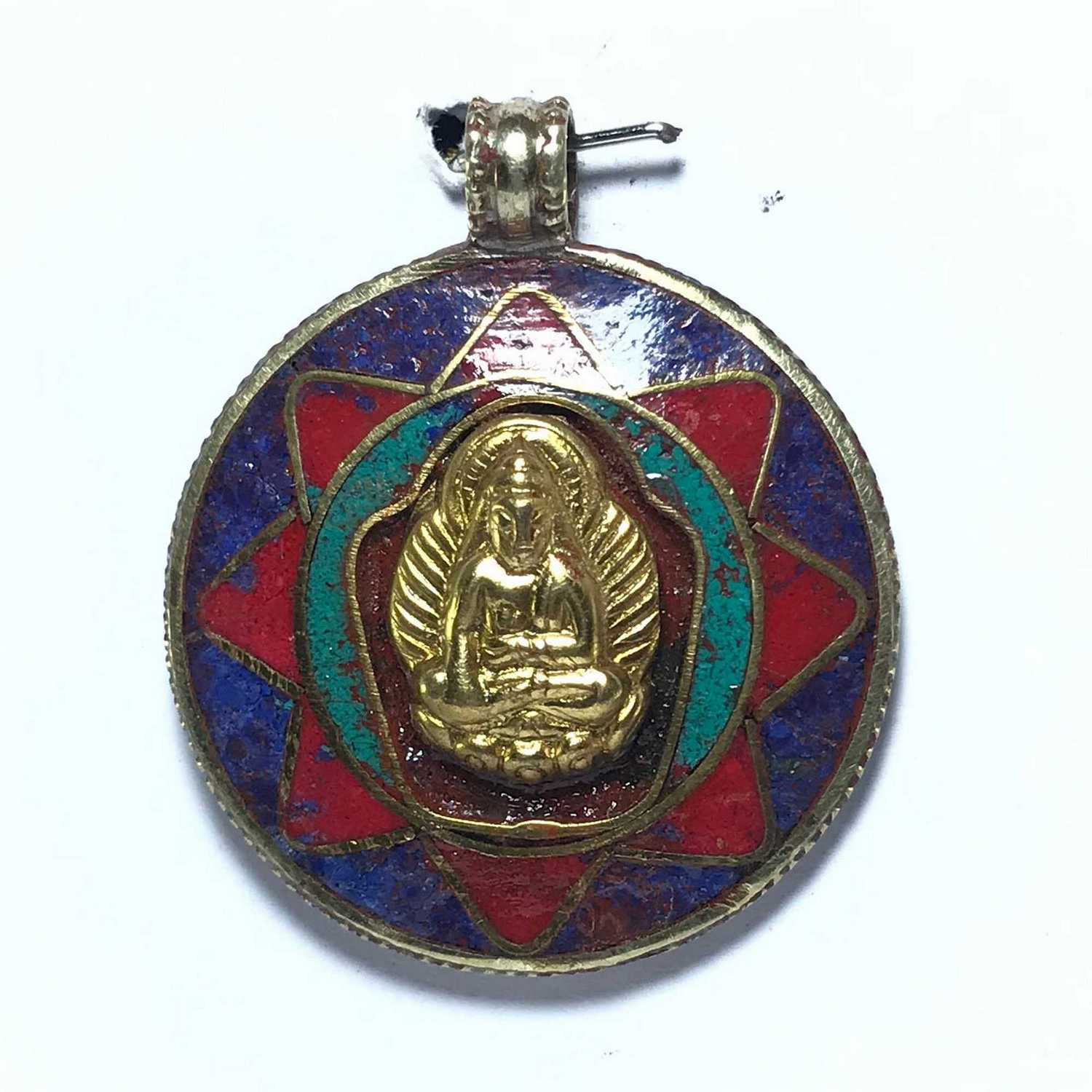
Shakyamuni is almost always depicted sitting in the full lotus position (Padmasana) or the adamantine posture (Vajrasana). In this posture, the legs are tightly crossed with the soles of both feet facing upward. This grounded, symmetrical triangle represents unshakable stability, absolute concentration, and immutability. It is the perfect posture for a meditation Buddha, signifying the grounding of physical energy to elevate the mind.Â
The hands of the Buddha speak a silent language of spiritual realization. The two most common mudras for Shakyamuni Buddha are:Â
Bhumisparsha Mudra (Earth-Touching Gesture): The right hand extends downward over the right knee, fingers pointing toward or touching the earth, while the left hand rests in the lap holding an alms bowl. This is the most iconic depiction, representing the exact moment of enlightenment. The Buddha is calling the Earth Goddess as his witness to the countless lifetimes of merit he accumulated to reach awakening.Â
Dhyana Mudra (Meditation Gesture): Both hands rest in the lap, right over left, with thumbs lightly touching to form a triangle. This represents deep, undisturbed meditative absorption and the perfect balance of wisdom and method.Â
The face of a high-quality Shakyamuni statue is a masterpiece of serenity. The eyes are half-closed, shaped like lotus petals, gazing slightly downward. This signifies a state of perfect equilibrium, simultaneously looking inward into the nature of reality and outward with boundless compassion for all sentient beings. A faint, serene smile plays on the lips, indicating the joy of liberation from suffering.Â
Shakyamuni is dressed in the traditional Kasaya, the humble monastic robe of a monk. The robe is typically draped gracefully over the left shoulder, leaving the right shoulder bare. Traditional artisans carve the folds of the robe with exquisite fluidity, making the hard metal appear as soft, flowing fabric. He wears no royal jewelry, symbolizing his complete renunciation of worldly attachments.Â
True Himalayan statues are cast using the ancient lost-wax method. The most revered materials are copper, bronze, and brass. High-end statues often feature a stunning 24-karat gold-plated finish (fire-gilding) on the face and body, reflecting the radiant light of a fully â¢Â â¢Â enlightened being. Alternatively, an oxidized copper finish offers a beautifully rich, antique look that appeals to many collectors.Â
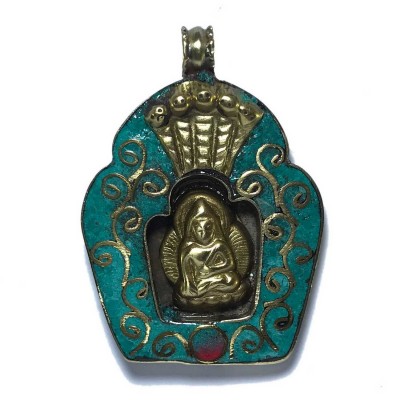
The Buddha typically sits upon a double or single lotus throne. The lotus flower grows in muddy waters but blooms immaculately clean above the surface, symbolizing the mind's ability to remain pure despite existing in the murky world of Samsara. Some elaborate statues also include a glowing halo (Prabhamandala) behind the head or intricate flame motifs, representing the burning away of ignorance
To understand the profound philosophy of Buddhism, one must first look at the extraordinary life of its founder: Shakyamuni Buddha. Often referred to simply as "The Buddha," he is the historical figure whose teachings have guided millions of people toward inner peace, mindfulness, and liberation from suffering for over two and a half millennia.
The name "Shakyamuni" translates directly to "Sage of the Shakya Clan." Unlike mythical gods or celestial creators, Shakyamuni Buddha was a human being who lived, breathed, and walked this earth. Through immense dedication and self-inquiry, he unlocked the ultimate potential of the human mind.
This comprehensive guide explores the fascinating biography of Shakyamuni Buddha, his transformative journey from royalty to renunciation, his core spiritual teachings, and his enduring legacy in our modern world.
The Early Life of Prince Siddhartha Gautama
The story of Shakyamuni Buddha begins over 2,500 years ago in the lush, sacred gardens of Lumbini, located in present-day Nepal. He was born as Siddhartha Gautama into a royal family. His father, King Suddhodana, was the ruler of the Shakya clan, and his mother was Queen Maya Devi.
According to historical and spiritual texts, Siddharthaâs birth was accompanied by auspicious signs. Wise seers and astrologers predicted that the young prince would grow up to become either a great, world-conquering king or a supreme spiritual leader. Eager to see his son inherit the throne and become a powerful monarch, King Suddhodana went to great lengths to shield Siddhartha from any knowledge of human suffering, religion, or the hardships of the outside world.
Prince Siddhartha grew up in the lap of unimaginable luxury. He lived in magnificent palaces suited for different seasons, wore the finest silks, and was surrounded by beauty, music, and joy. He married a beautiful princess named Yasodhara, and together they had a son, Rahula. By all worldly measures, Siddhartha had a perfect, flawless life. Yet, a deep sense of inquiry and dissatisfaction quietly grew within his heart.
The Four Sights and the Great Renunciation
Siddhartha's life changed forever during his late twenties. Driven by a deep curiosity about the world beyond his palace walls, he asked his charioteer, Channa, to take him into the local city. During these chariot rides, the sheltered prince encountered four profound realities that shattered his illusion of a perfect world. These are known in Buddhist history as the "Four Sights":
An Old Man: Siddhartha saw the frailties of aging and realized that youth is temporary.
A Sick Man: He witnessed physical disease, realizing that health is fragile and suffering is inevitable.
A Corpse: He saw a funeral procession, bringing him face-to-face with the inescapable reality of death.
A Wandering Ascetic: Finally, he saw a peaceful, holy man who had renounced worldly life in search of spiritual truth.
Deeply moved by the suffering of humanity and inspired by the tranquility of the ascetic, Siddhartha realized that his royal wealth could not protect him or his loved ones from old age, sickness, and death. At the age of 29, he made the agonizing but necessary decision to leave his family, his kingdom, and his wealth behind. Under the cover of night, he cut his long royal hair, swapped his silk robes for the simple rags of a beggar, and set out into the forest. This pivotal moment is known as the Great Renunciation.
The Quest for Truth: Asceticism to the Middle Way
For six years, Siddhartha wandered through the forests of ancient India, seeking out the greatest spiritual teachers of his time. He mastered various meditation techniques but found that they only offered temporary relief, not the ultimate cessation of suffering.
He then joined a group of five ascetics and engaged in extreme self-mortification. He subjected his body to severe harshness, fasting until he was mere skin and bones, holding his breath, and enduring extreme heat and cold. He believed that by punishing his body, he could liberate his mind.
However, after collapsing from starvation and nearly dying in a river, he experienced a profound realization: extreme deprivation clouded the mind just as much as extreme luxury did. Neither the sensual indulgence of the palace nor the severe torment of the forest led to awakening.
Siddhartha accepted a small bowl of milk-rice from a compassionate village girl named Sujata. Nourished and revitalized, he formulated one of Buddhism's most vital concepts: The Middle Way. This is the path of balance and moderation, avoiding the extremes of indulgence and self-punishment.
The Attainment of Enlightenment
With a restored body and a focused mind, Siddhartha traveled to Bodh Gaya. He sat beneath a large fig tree (now famously known as the Bodhi Tree) and made a firm vow: he would not rise from his meditation cushion until he had discovered the absolute truth of existence.
During his deep meditation, he was challenged by Mara, a powerful celestial demon representing ego, illusion, desire, and fear. Mara sent armies of terrifying monsters and his beautiful daughters to distract Siddhartha. Yet, Siddhartha remained perfectly calm and unshaken.
When Mara challenged Siddhartha's right to attain enlightenment, demanding a witness, the soon-to-be Buddha simply reached down his right hand and touched the earth. The earth trembled, bearing witness to the countless lifetimes of merit and compassion he had cultivated. Mara vanished.
As the morning star rose, Siddhartha's mind broke through the final veils of ignorance. He saw his past lives, understood the karmic cycle of birth and death (Samsara), and realized the ultimate nature of reality. At the age of 35, Siddhartha Gautama became Shakyamuni Buddha, the "Awakened One."
Core Teachings of Shakyamuni Buddha
After attaining enlightenment, Shakyamuni Buddha spent the next 45 years walking across the Indian subcontinent, sharing his wisdom with people from all walks of life, kings and beggars, men and women, criminals and saints. His teachings (the Dharma) were highly practical, focusing not on worshipping a god, but on understanding one's own mind.
The Four Noble Truths
The foundation of the Buddha's teachings is summarized in his very first sermon at the Deer Park in Sarnath. These are the Four Noble Truths:
The Truth of Suffering (Dukkha): Life inherently involves dissatisfaction, physical pain, emotional sorrow, and the underlying anxiety of impermanence.
The Truth of the Cause of Suffering (Samudaya): The root cause of suffering is attachment, craving, and ignorance. We suffer because we cling to things that are constantly changing.
The Truth of the End of Suffering (Nirodha): It is possible to end suffering by letting go of craving and awakening to reality. This state of ultimate peace and liberation is known as Nirvana.
The Truth of the Path (Magga): The method to achieve the end of suffering is by following the Noble Eightfold Path.
The Noble Eightfold Path
To help his followers walk the Middle Way, Shakyamuni Buddha outlined an eight-step framework for ethical and mental development. This path is visually represented by the Dharmachakra, the eight-spoked Buddhist wheel:
Right View: Deeply understanding the Four Noble Truths.
Right Intention: Committing to harmlessness, compassion, and letting go.
Right Speech: Speaking truthfully, kindly, and avoiding gossip or harsh words.
Right Action: Acting ethically, abstaining from killing, stealing, and misconduct.
Right Livelihood: Earning a living in a way that does not harm others.
Right Effort: Cultivating positive states of mind and abandoning negative ones.
Right Mindfulness: Developing constant, clear awareness of the body, feelings, and thoughts.
Right Concentration: Practicing deep meditation to unify and focus the mind.
The Symbolism of Shakyamuni in Buddhist Art
While Shakyamuni Buddha was a living man, his depiction in art remains incredibly important for practitioners and collectors today. When you look at traditional Buddhist paintings (Thangkas) or Himalayan statues, his iconography tells the story of his journey:
The Bhumisparsha Mudra: Statues frequently show Shakyamuni with his right hand touching the earth. This immortalizes the precise moment of his enlightenment when he defeated the demon Mara.
The Alms Bowl: His left hand often rests in his lap holding a monk's begging bowl, symbolizing his renunciation of royal wealth, his reliance on the generosity of the community, and his role as the supreme healer of spiritual ailments.
The Monastic Robes: He is depicted wearing simple patchwork robes, completely devoid of the royal jewelry, crowns, and armor he wore as a prince.
The Ushnisha and Urna: The bump on the top of his head (ushnisha) signifies his expanded cosmic wisdom, while the dot between his eyes (urna) represents his spiritual vision and the "third eye" of enlightenment.
The Legacy of Shakyamuni Buddha
At the age of 80, in the town of Kushinagar, Shakyamuni Buddha passed into Parinirvana, he final state of enlightenment, completely breaking the cycle of rebirth. His final words to his disciples were a call to self-reliance: "All conditioned things are subject to decay. Strive on with diligence."
Today, the legacy of Shakyamuni Buddha transcends religion. His teachings on mindfulness, compassion, and the interconnectedness of all life are actively studied by psychologists, neuroscientists, and philosophers. He did not ask his followers to accept his teachings on blind faith; instead, he invited them to test his methods for themselves.
Shakyamuni Buddha was not a deity who promised salvation from above, but a human pioneer who mapped the landscape of the mind. His life story, from a sheltered prince to a wandering ascetic, and finally to an awakened teacher, remains one of the most inspiring narratives in human history.
By studying the life of Shakyamuni Buddha, we are reminded of our own profound potential. His teachings offer a timeless, practical blueprint for overcoming anxiety, developing a loving heart, and finding unshakeable peace in an ever-changing world.