![[maitreya Buddha], Buddhist Miniature Statue, [partly Gold Plated Finish], [thangka Color Finish], [hand Painted Face]](https://www.handmadeexpo.com/pics/product/37191.jpg)

![[maitreya Buddha], Buddhist Miniature Statue, [partly Gold Plated Finish], [thangka Color Finish], [hand Painted Face]](https://www.handmadeexpo.com/pics/product/thumb/37191.jpg)
![[maitreya Buddha], Buddhist Miniature Statue, [partly Gold Plated Finish], [thangka Color Finish], [hand Painted Face]](https://www.handmadeexpo.com/pics/product/thumb/37191_0.jpg)
![[maitreya Buddha], Buddhist Miniature Statue, [partly Gold Plated Finish], [thangka Color Finish], [hand Painted Face]](https://www.handmadeexpo.com/pics/product/thumb/37191_1.jpg)
![[maitreya Buddha], Buddhist Miniature Statue, [partly Gold Plated Finish], [thangka Color Finish], [hand Painted Face]](https://www.handmadeexpo.com/pics/product/thumb/37191_2.jpg)
![[maitreya Buddha], Buddhist Miniature Statue, [partly Gold Plated Finish], [thangka Color Finish], [hand Painted Face]](https://www.handmadeexpo.com/pics/product/thumb/37191_3.jpg)
![[maitreya Buddha], Buddhist Miniature Statue, [partly Gold Plated Finish], [thangka Color Finish], [hand Painted Face]](https://www.handmadeexpo.com/pics/product/thumb/37191_4.jpg)
Maitreya Buddha, Buddhist Miniature Statue, Partly Gold Plated Finish, Thangka Color Finish, Hand Painted Face
Jampa
In the rich tapestry of Buddhist philosophy, few figures inspire as much profound hope and reverence as the Maitreya Buddha. Recognized as the embodiment of universal loving-kindness and the highly anticipated Future Buddha, Maitreya represents the enduring promise of enlightenment for all sentient beings. Across the globe, from quiet home altars to grand monastic temples, Maitreya Buddha statues are highly respected as powerful focal points for meditation, compassion, and spiritual aspiration.
Whether you are a dedicated meditation practitioner, a student of Himalayan Buddhist art, or a collector of sacred Nepalese craftsmanship, understanding Maitreya enriches your appreciation of these magnificent sculptures. This comprehensive guide explores the history, symbolism, and deep spiritual meaning of Maitreya, while providing expert insights into the traditional creation of handmade Maitreya Buddha statues in Nepal.
Who is Maitreya Buddha?
Maitreya holds a unique and universally beloved position across nearly all major Buddhist traditions. To truly understand the spiritual magnitude of Maitreya Buddha, one must look at the linguistic origins and the specific cosmological roles assigned to this sacred figure.
Meaning and Origin of the Name "Maitreya"
The name "Maitreya" is derived from the Sanskrit word Maitrī, which translates directly to "loving-kindness," "friendship," or "benevolence." In Pali, the language of early Buddhist texts, he is known as Metteyya. This linguistic root perfectly encapsulates his essence: an awakened being whose core nature is unconditional, boundless love for all living things.
Maitreya as the Future Buddha
In Buddhist cosmology, time is measured in vast aeons called kalpas. The current era is known as the Bhadrakalpa (the Fortunate Aeon), during which 1,000 Buddhas are prophesied to appear. Shakyamuni (Gautama) Buddha was the fourth. Maitreya is prophesied to be the fifth. Buddhist scriptures state that Maitreya will descend to Earth when the teachings of Shakyamuni Buddha have been completely forgotten, bringing a renewed era of peace, spiritual awakening, and the pure teachings of the Dharma.
Relationship with Shakyamuni Buddha
Maitreya is not a replacement for Shakyamuni Buddha but a continuation of the enlightened lineage. According to tradition, Shakyamuni himself prophesied Maitreya's future arrival. Before Shakyamuni descended from the Tushita Heaven (the celestial realm where all future Buddhas reside before their final rebirth), he passed his crown to Maitreya, appointing him as his spiritual successor.
Role in Mahayana and Vajrayana Buddhism
In Mahayana Buddhism: Maitreya is venerated as a supreme Bodhisattva. Mahayana practitioners frequently pray for rebirth in the Tushita Heaven so they may hear Maitreya's teachings directly and accompany him when he finally descends to Earth.
In Vajrayana (Tibetan) Buddhism: Maitreya (known as Jampa in Tibetan) is a central figure of devotion. Vajrayana traditions feature complex visualization practices, sadhanas (spiritual practices), and intricate mandalas dedicated to Maitreya, emphasizing the swift development of limitless compassion.
Gold Painted Face
The face of Maitreya Buddha is painted with gold to enhance its significant features, particularly the eyes, and lips. This detailed painting is essential as it brings forth the crucial attributes of the expression of eyes and lips that metal carving alone cannot capture.Moreover, the painted face serves as a symbolic and sacred ritual in Buddhism, preparing the statue for consecration and practice. The act of painting the face with gold in Buddhism holds deep meaning. It represents the intention to bring life and expression to the statue, imbuing it with a sense of vitality and presence. The application of gold on the face showcases the devotion and craftsmanship of the artisans, ensuring that every detail is carefully attended to honor the sacred essence of the Maitreya Buddha. Read More . . .
About Color Finishing
The Maitreya Buddha is adorned with traditional colors, creating a captivating aesthetic through a combination of gold and various hues. This painting technique follows a time-honored process that aims to faithfully represent the Maitreya Buddha in accordance with traditional color descriptions. In the context of Buddhist statues, this approach holds great significance. Each statue has its own primary color, and it is crucial to depict the statue in its authentic shade. Read More . . .Partly Gold plating.
This Maitreya Buddha has a Partly gold-plated finish. Partly fire gold gilding, a common practice in Nepali handicrafts. This technique is skillfully employed by artisans to create intricate designs on various metal objects, including statues, jewelry, and decorative items. Through a process, a mask or resist is applied to safeguard specific areas from the gold plating. The object is then subjected to high temperatures, allowing the gold to beautifully adhere to exposed surfaces using a combination of heat and pressure.In the realm of Buddhist statues, this technique holds additional significance as it distinguishes the golden-plated body from the oxidized or maroon-painted clothing. This visual separation conveys the contrast between the divine purity of the body and the modest attire symbolizing the humble lifestyle of Buddhist monks. The partly fire gold gilding not only adds exquisite detail and elegance but also embodies the deep cultural and spiritual meaning associated with these treasured artifacts. Read More . . .
Ceramic Molding System
The Maitreya Buddha has been crafted using the Ceramic mold casting process, a modern approach that provides an alternative to traditional methods such as the lost-wax system or rubber molding. Also referred to as ceramic molding, this technique involves the creation of a ceramic mold to cast the statue. The process begins by making a precise and detailed wax model of the desired sculpture. The wax model is then coated with layers of ceramic material, creating a sturdy mold. Once the mold is complete, it is fired in a kiln, causing the wax to melt and escape, leaving behind a cavity that perfectly replicates the original sculpture. Molten metal is then poured into the mold, allowing it to fill the cavity and take on the desired form. Once cooled and solidified, the ceramic mold is carefully broken away, revealing the final metal statue. Read More . . .History and Origin of Maitreya Buddha :
The veneration of Maitreya is one of the oldest traditions within Buddhism, predating the schisms that divided the religion into its various modern branches.
Early Buddhist References
Maitreya is uniquely recognized by both Theravada and Mahayana traditions. The earliest recorded mention of Maitreya is found in the Cakkavatti Sihanada Sutta of the Pali Canon (Digha Nikaya 26). In this text, the Buddha predicts that a future teacher named Metteyya will arise, possessing the same enlightened qualities as himself.
Development of Maitreya Worship
During the flourishing of the Gandharan and Mathuran artistic schools in ancient India (around the 1st to 3rd centuries CE), Maitreya became one of the most prominent figures depicted in stone. Early Indian Buddhism portrayed him as a prince or an ascetic, easily identifiable by the water flask (kundika) he held.
Spread Through Asia
As Buddhism traveled along the Silk Road, Maitreya devotion spread far and wide:
- China, Korea, and Japan: In East Asian Mahayana traditions, Maitreya inspired monumental rock carvings, such as the famous Leshan Giant Buddha in China. (Note: In Chinese folklore, Maitreya is also associated with Budai, the "Laughing Buddha," though traditional Himalayan iconography maintains his classic princely form).
- Tibet and Nepal: In Himalayan Buddhist traditions, Maitreya devotion deepened. Great monasteries erected massive Maitreya statues, looking forward to the future age. Nepalese artisans from the Kathmandu Valley became the master craftsmen of these deities, developing a highly refined, lost wax casting technique that remains the global gold standard for Buddhist statues today.
Is Maitreya Buddha a Buddha or Bodhisattva?
A common question among beginners and art collectors is whether Maitreya is currently a Buddha or a Bodhisattva. The answer lies in the timeline of Buddhist cosmology.
Technically, Maitreya is currently a Bodhisattvaâan enlightened being who has postponed entry into absolute Nirvana to help all sentient beings. He resides in the Tushita Heaven, waiting for the precise karmic moment when the Earth is ready for his teachings. He will only become a fully awakened Buddha (Samyaksambuddha) upon his future human birth, enlightenment under the Naga tree, and turning of the Dharma wheel.
However, out of deep reverence, he is widely referred to as "Maitreya Buddha" by practitioners today.
Comparison: Shakyamuni Buddha vs. Maitreya Buddha
| Aspect | Shakyamuni Buddha | Maitreya Buddha |
| Time Period | Present Buddha (Historical) | Future Buddha |
| Role | Teacher of the current era | Future spiritual teacher |
| Current Residence | Parinirvana (Beyond suffering) | Tushita Heaven |
| Tradition | The 4th Buddha of the Bhadrakalpa | The 5th Buddha of the Bhadrakalpa |
| Core Representation | Supreme Wisdom and Enlightenment | Universal Loving-Kindness (Maitri) |
Symbolism of Maitreya Buddha :
Understanding the iconography of a Maitreya Buddha statue reveals a profound visual language. Every posture, hand gesture, and sacred object is a teaching in itself.
Posture
Western-Style Seated Posture (Bhadrasana): This is the most distinct and recognizable posture of Maitreya. Unlike most Buddhas who sit in the cross-legged lotus position, Maitreya is frequently depicted sitting on a throne with both feet resting firmly on the ground. This symbolizes his readiness to stand up and descend from Tushita Heaven to Earth.
Sitting Posture (Padmasana): He is also depicted in the traditional full lotus posture, representing his deep meditative stabilization in the heavenly realms.
Standing Posture: Less common but equally powerful, standing Maitreya statues symbolize his active grace and imminent arrival to dispel the darkness of the world.
Hand Gestures (Mudras)
Dharmachakra Mudra: This is the most common gesture for Maitreya. Both hands are held at heart level, forming circles with the thumbs and index fingers. This translates to "Turning the Wheel of the Dharma," symbolizing that his primary future role is to teach the ultimate truth.
Teaching Gesture (Vitarka Mudra): Sometimes depicted with one hand raised, indicating the transmission of Buddhist teachings and intellectual discussion.
Meditation Gesture (Dhyana Mudra): Hands resting in the lap, signifying profound concentration and inner peace.
Sacred Objects
The Stupa: Look closely at the crown or hair of a traditional Nepalese or Tibetan Maitreya statue. You will often see a miniature stupa. This symbolizes his supreme respect for his predecessor, Shakyamuni Buddha, whose relics are traditionally housed in stupas.
Vase (Kalasha): Usually held in his left hand or resting on a lotus blossom beside him, this vase contains the nectar of immortality and pure spiritual energy, washing away negative karma.
Lotus (Padma): As with many Bodhisattvas, Maitreya often holds the stems of lotus flowers that bloom at his shoulders, representing purity rising above the mud of worldly attachments.
Dharma Wheel (Chakra): Resting on one of the lotus blossoms, indicating his future mandate to teach.
Physical Appearance
Crown and Jewelry: As a Bodhisattva residing in a heavenly realm, Maitreya is depicted in the Sambhogakaya (bliss body) form. He wears the ornate five-leaf crown, heavy earrings, necklaces, and armbands of ancient Indian royalty.
Facial Expression: His eyes are gently downcast in a meditative gaze, and his lips form a serene, compassionate smile, emanating the pure energy of loving-kindness.
Spiritual Meaning of Maitreya Buddha :
For the spiritual seeker and the Buddhist art collector alike, a Maitreya Buddha statue is far more than a beautiful object. It is a conduit for profound psychological and spiritual transformation.
Loving Kindness (Maitri): Meditating upon Maitreya helps practitioners cultivate an open, loving heart, dissolving anger, hatred, and prejudice.
Hope for Future Enlightenment: In times of darkness, Maitreya represents the ultimate Buddhist optimismâthe guarantee that truth, peace, and spiritual awakening will eventually triumph on Earth.
Patience and Universal Peace: His teachings emphasize harmony among all living beings.
Positive Transformation: Having a Maitreya statue in one's environment serves as a daily reminder to act with benevolence and to prepare one's mind for higher spiritual realizations.
Maitreya Buddha Mantra and Practices
Practitioners of Mahayana and Vajrayana Buddhism engage with Maitreya through specific prayers and mantras to invoke his energy of loving-kindness.
The Maitreya Mantra:
The most common root mantra associated with Maitreya is:Â
Om Mohi Mohi Maha Mohi Soha
(Alternatively: Om Maitreya Mam Svaha)
Meaning and Practice:
Chanting this mantra during meditation is not about securing supernatural favors; rather, it is a psychological and spiritual tool to align the practitioner's mind with the frequency of universal love. In Tibetan Buddhist meditation traditions, practitioners visualize golden light radiating from the heart of Maitreya, filling their own bodies and the entire universe, washing away obscurations and sowing the seeds of compassion.
Handmade Maitreya Buddha Statues from Nepal
Nepal, specifically the Kathmandu Valley, is the historical epicenter of Himalayan Buddhist art. The indigenous Newar people are internationally renowned for their unparalleled skill in metalwork and statue makingâa tradition passed down seamlessly from generation to generation for over a thousand years.
Traditional Nepalese Statue Making
Creating an authentic handmade Maitreya Buddha statue in Nepal is an arduous, highly skilled process that can take months to complete.
Lost Wax Casting Technique (Cire Perdue):
The Model: The artisan carves a flawless replica of the Maitreya statue out of beeswax.
The Mold: The wax is coated in a mixture of clay, cow dung, and rice husks, creating a thick outer shell.
The Melt: The mold is heated, causing the wax to melt and pour out (hence, "lost wax"), leaving a perfect hollow cavity.
The Cast: Molten metal (typically copper or bronze) is poured into the clay mold. Once cooled, the clay is broken away to reveal the raw statue.
Hand Carving and Chasing: The raw metal is rough. Master carvers use hundreds of tiny chisels and hammers to carve the intricate detailsâthe folds of the robes, the jewelry, and the serene facial features.
Gold Gilding: Premium statues undergo a traditional fire-gilding process, where an amalgam of 24-karat gold and mercury is applied. Heat evaporates the mercury, permanently bonding a thick layer of pure gold to the copper base.
Stone Setting and Painting: Finally, the statue is inlaid with turquoise and coral, and the face is meticulously hand-painted with gold dust and natural pigments to "open the eyes" of the deity.
Materials Used for Maitreya Buddha Statues
When selecting a Maitreya statue, the material deeply influences both its aesthetic appeal and its durability.
Copper: The preferred medium for high-end Nepalese statues. Copper is malleable, allowing artisans to achieve extraordinary, razor-sharp details during the chasing process. It is also the best base metal for 24k gold gilding.
Bronze: An alloy of copper and tin, bronze is incredibly durable and yields a beautiful, antique, earthy patina over time. Bronze Maitreya Buddha statues are heavy, substantial, and perfect for both indoor and outdoor placement.
Brass: A more affordable alloy of copper and zinc, brass is widely used for beautiful, mid-tier statues.
Gold Gilded / Gold Plated: Statues coated in real gold are highly prized in Tibetan Buddhism, as gold represents the uncorrupted, pure nature of the Buddha's enlightened mind.
Choosing a Maitreya Buddha Statue
Acquiring a Maitreya Buddha sculpture is a deeply personal journey. Consider the following when making your selection:
Purpose: Are you buying for a home altar, a dedicated meditation space, a Buddhist temple, or an art collection? For temples, larger seated statues are ideal. For home altars, an 8-inch to 12-inch statue is usually perfect.
Posture: Choose the posture that speaks to your intent. The Bhadrasana (sitting in a chair) posture is an excellent reminder of readiness and action, while the meditation posture induces a sense of calm.
Authentic Craftsmanship: Look for signs of hand-craftsmanship. Machine-made statues often lack crisp details in the fingers, jewelry, and facial expressions. A genuine handmade Buddhist statue from Nepal will have a vibrant, lifelike energy.
Placement of Maitreya Buddha Statue
In Buddhist tradition, a statue is considered a living representation of the enlightened being's body, speech, and mind. Therefore, respectful placement is vital.
Clean and Respectful Location: Place the Maitreya statue in a clean, uncluttered area.
Elevation: The statue should be placed on a raised platform, table, or home shrine, ideally above eye level when you are seated. It should never be placed directly on the floor.
Orientation: Facing the front door to welcome positive energy and loving-kindness into the home is considered highly auspicious.
Areas to Avoid: Do not place Buddha statues in bathrooms, kitchens, or directly facing a bed.
Caring for a Bronze Maitreya Buddha Statue
To ensure your handmade Maitreya Buddha statue lasts for generations as a cherished heirloom, proper maintenance is required.
Dust Removal: Use a very soft, dry, natural-bristle brush (like a makeup brush or a fine artistâs brush) to gently sweep dust out of the intricate crevices of the crown and robes.
Cleaning Methods: For copper or bronze statues without gold plating, a soft, dry cotton cloth is sufficient. Never use harsh chemical cleaners, brass polish, or abrasive scrubbers, as they will destroy the antique finish and natural patina.
Handling Precautions: Handle the statue with clean hands, or preferably cotton gloves, to prevent the natural oils from your skin from tarnishing the metal over time.
Gold Gilded Care: If your statue is 24k gold gilded, be exceptionally gentle. Do not rub the face, as the gold dust paint on the facial features is delicate and can be wiped away.
Handmade Maitreya Buddha Statue from Nepal
At HandmadeStatue.com, we are deeply committed to preserving the sacred art of Himalayan metalwork. Our curated collection of authentic, handmade Maitreya Buddha statues is crafted directly by master artisans in the Patan district of Nepal's Kathmandu Valley.
When you choose a Nepalese Maitreya Buddha statue from us, you are not merely purchasing home decor; you are acquiring a genuine piece of Himalayan Buddhist art.
Authentic Craftsmanship: Every piece utilizes the ancient lost wax casting technique.
Quality Materials: We offer statues in premium copper, enduring bronze, and exquisite 24k gold gilding.
Custom Options: Whether you are seeking a small, intimate piece for your personal shrine or a large custom size for a Dharma center, we facilitate direct commissions with the artisans.
Worldwide Shipping: We safely package and ship these sacred works of art to collectors and practitioners globally.
Embrace the energy of universal loving-kindness and support the centuries-old artisan traditions of Nepal by exploring our Buddhist Statue Collection today.
What People Want to Know About Maitreya Buddha :
1. Who is Maitreya Buddha?
Maitreya Buddha is regarded as the "Future Buddha" in Buddhist cosmology. He is currently a Bodhisattva residing in the Tushita Heaven and is prophesied to descend to Earth to teach the pure Dharma when the teachings of the current historical Buddha, Shakyamuni, have faded from the world.
2. Is Maitreya Buddha the next Buddha?
Yes. According to Buddhist scriptures, Maitreya is the recognized successor to Shakyamuni Buddha. He will be the fifth Buddha to appear in our current aeon (the Bhadrakalpa).
3. What does Maitreya Buddha symbolize?
The name Maitreya translates to "loving-kindness" (Maitri). He symbolizes universal love, boundless compassion, and the ultimate hope for a future era of spiritual enlightenment and world peace.
4. Is Maitreya Buddha a Buddha or Bodhisattva?
Technically, he is currently a Bodhisattva because he has not yet taken his final human rebirth to achieve complete, perfect enlightenment on Earth. However, out of deep respect for his destined role, he is commonly referred to and venerated as a Buddha.
5. What is the difference between Maitreya Buddha and Shakyamuni Buddha?
Shakyamuni Buddha (Gautama) is the historical Buddha of our current time who lived 2,500 years ago and founded Buddhism. Maitreya is the Future Buddha who will appear in a distant future age to renew those teachings.
6. Why is Maitreya Buddha important in Tibetan Buddhism?
In Tibetan Buddhism, Maitreya (known as Jampa) is a central figure of devotion. Practitioners engage in extensive meditation and mantra recitations dedicated to him to cultivate rapid spiritual growth, compassion, and the hope of being reborn in his pure land, the Tushita Heaven.
7. What does the Maitreya Buddha statue represent?
A Maitreya statue represents the living presence of loving-kindness. It serves as a visual reminder for practitioners to cultivate a warm, open heart toward all beings and acts as a focal point for spiritual aspiration.
8. What are the symbols associated with Maitreya Buddha?
Key symbols include the Dharmachakra (Wheel of Dharma), the Kalasha (vase of nectar), lotus flowers, and notably, a small stupa nested in his hair or crown, which pays homage to Shakyamuni Buddha.
9. Why does Maitreya Buddha carry a vase or stupa?
The small stupa in his crown represents his profound respect for the historical Buddha, Shakyamuni. The vase (Kalasha) he occasionally holds contains the nectar of immortality and spiritual purification, symbolizing his ability to wash away the suffering of sentient beings.
10. What materials are used to make Maitreya Buddha statues?
Traditional Himalayan statues are typically made of copper, bronze, or brass. Premium statues are often gilded with 24-karat gold using the ancient fire-gilding technique and inlaid with precious or semi-precious stones like turquoise, lapis lazuli, and coral.
11. How are handmade Maitreya Buddha statues made in Nepal?
Nepalese artisans use the ancient "lost wax casting" method. A detailed wax model is carved, encased in a clay mold, and melted away. Molten copper or bronze is then poured into the cavity. Once cooled, the metal statue is hand-carved, polished, and gilded by master craftsmen.
12. Where should a Maitreya Buddha statue be placed?
Place your statue in a clean, respectful, and elevated location, such as a home altar, a high shelf in a living room, or a meditation space. It should ideally face the main entrance to invite positive energy. Never place Buddhist statues on the floor, in a bathroom, or in a kitchen.
13. How do I clean and maintain a bronze Maitreya Buddha statue?
Use a soft, dry natural bristle brush to gently remove dust from intricate carvings. Wipe smooth surfaces with a soft cotton cloth. Avoid using water, abrasive scrubbers, or harsh chemical metal polishes, as these can ruin the statue's finish and natural patina.
14. What size Maitreya Buddha statue is suitable for a home altar?
For a standard home altar or meditation shrine, statues ranging from 8 inches to 12 inches (20-30 cm) are generally ideal, as they are substantial enough to appreciate the artistic details without overwhelming a small space.
15. How can I identify an authentic handmade Maitreya Buddha statue?
Authentic handmade statues from Nepal feature sharp, intricate hand-carved details (chasing work) on the jewelry and robes that machines cannot replicate. They have a solid, heavy feel (if made of copper or bronze), and the facial expressions are meticulously painted with real gold dust according to traditional iconometric proportions.
Om Maitreya Maha Maitreya Maitreya Arya Svaha
Meaning
- Om – The sacred universal sound.
- Maitreya – The Future Buddha, embodying loving-kindness.
- Maha – Great.
- Arya – Noble or exalted.
- Svaha – "May this offering be accepted" or "So be it."
You may also want to read the related articles :
Service of Filling and blessing in Statue | Altering Finishing in StatueAt Handmade Statue, we aim to provide a seamless and user-friendly experience. While our website is not a direct online shopping platform, we have a shopping cart system to make submitting your inquiries easy. Follow these steps to place your order:
Step 1: Browse Our Products
Explore our website to discover a wide range of authentic Nepali handicrafts, including statues, thangkas, singing bowls, wood carvings, jewelry, and more. Click on any product to view detailed descriptions and images.
Step 2: Add Items to Your Inquiry Cart
Click the “Add to Inquiry Cart” button for each product you are interested in. This will help you organize your selections conveniently.
Step 3: Review Your Inquiry Cart
Once you’ve added all your items, review your cart to ensure accuracy before submitting your inquiry.
Step 4: Submit Your Inquiry
Click the “Submit Inquiry” button. Fill out the form with your contact details, selected products, and any specific questions or customization requests.
Step 5: Communicate via Email
Since we don’t have an automated payment system, our team will respond to your inquiry via email. We’ll provide guidance, answer questions, and assist with customization requests.
Step 6: Finalize Your Order
Confirm all product details and customization options with our team. Once everything is finalized, we will provide secure payment instructions.
Step 7: Complete Your Payment
Make the payment through the provided method. After confirmation, we will process and prepare your order for shipment.
Step 8: Shipping and Delivery
We offer worldwide shipping. Once your order is dispatched, we will provide tracking details and shipping information.
Step 9: Receive and Enjoy Your Handicrafts
Unpack your beautiful handmade Nepali products and enjoy the craftsmanship and cultural heritage of Nepal.
Need Assistance?
If you face any issues or have questions while placing your order, contact us via email or mobile communication apps. Our team is dedicated to providing prompt support and a smooth ordering experience.
We hope this straightforward ordering process ensures a delightful and satisfying experience with Handmade Statue. Thank you for choosing us to connect you with the rich heritage of Nepali handicrafts.
Return Policy
We have a 7 days money back policy but buyer have to pay the return shipping charges.
Shipping
- Shipping cost is calculated, based on the shipping weight of the products ordered. THe normal Shipping cost is US$25 for upto 0.5 kgs weight
- We ship Worldwide, Except Russia and India.
- The deliver duration varies for international Shipping location. We normally dispatch the product in 2 -3 business days. Else Buyer will be infromed Personally about the shipping.
Related Products
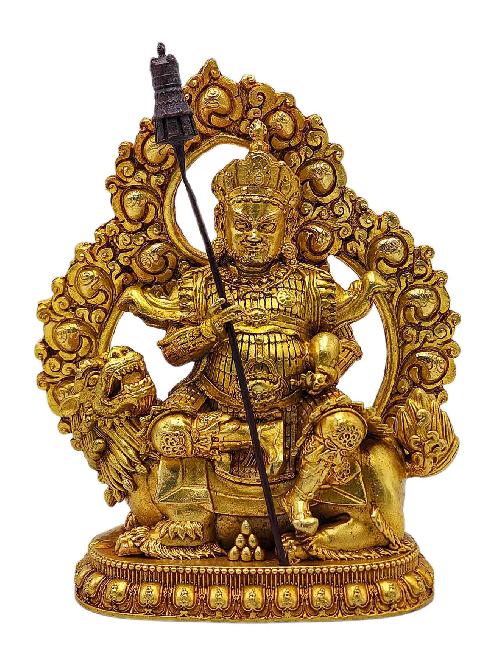
14cm Jambhala: Namtose, Buddhist Miniature Statue, Gold Plated
Weight : 0.52kg | [35900]
US$300
US$255
You Save
US$45
(15%)
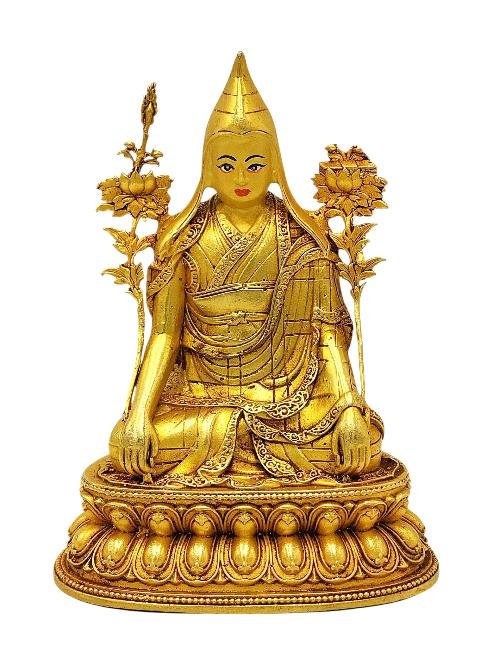
11cm Longchenpa, Buddhist Miniature Statue, Full Gold Plated Finish, Hand Painted Face
Weight : 0.32kg | [37185]
US$180
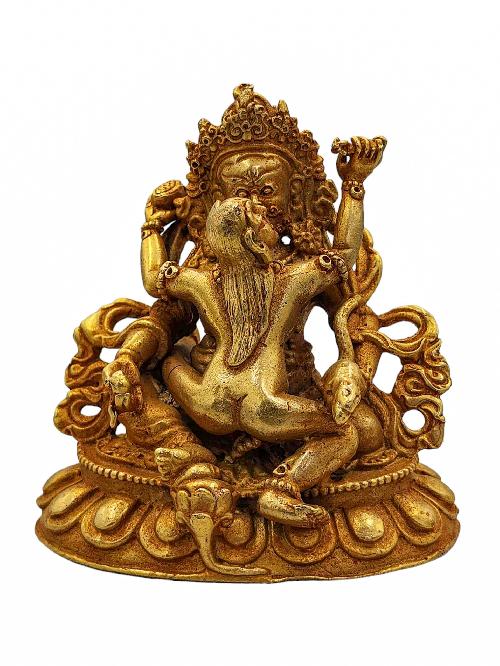
7cm Green Jambhala, Buddhist Miniature Statue, Gold Plated, High Quality
Weight : 0.2kg | [33496]
US$80
US$70
You Save
US$10
(15%)
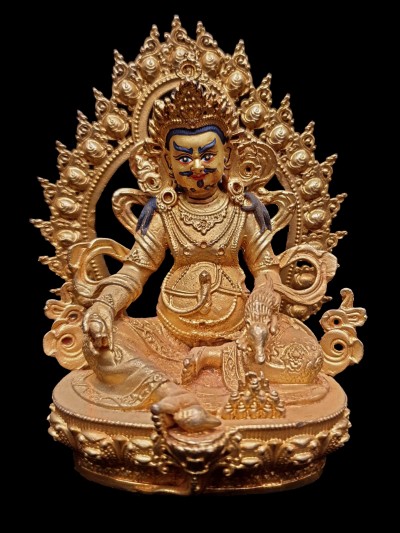
12cm Buddhist Miniature Statue Of Jambhala, Full Gold Plated
Weight : 0.8kg | [24614]
US$140
US$110
You Save
US$30
(20%)
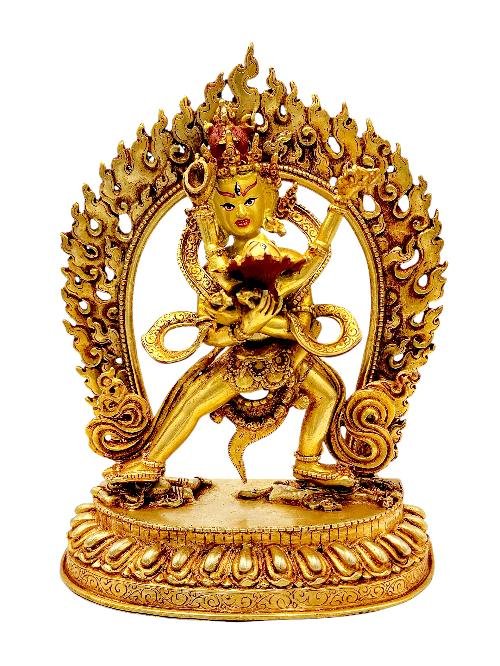
20cm Chakrasamvara, Buddhist Miniature Statue, Full Gold Plated Finish, Hand Painted Face
Weight : 1.23kg | [37172]
US$500
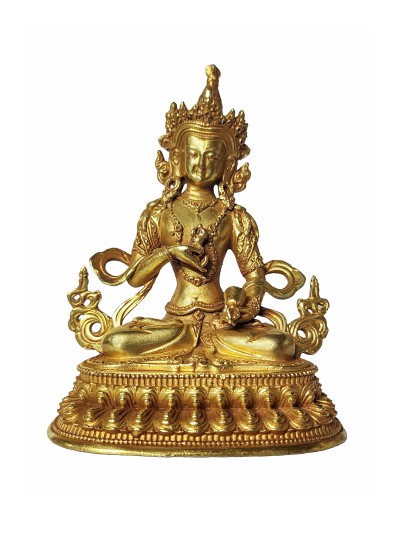
9cm Buddhist Miniature Statue Of Vajrasattva, Gold Plated
Weight : 0.2kg | [27516]
US$165
US$130
You Save
US$35
(20%)
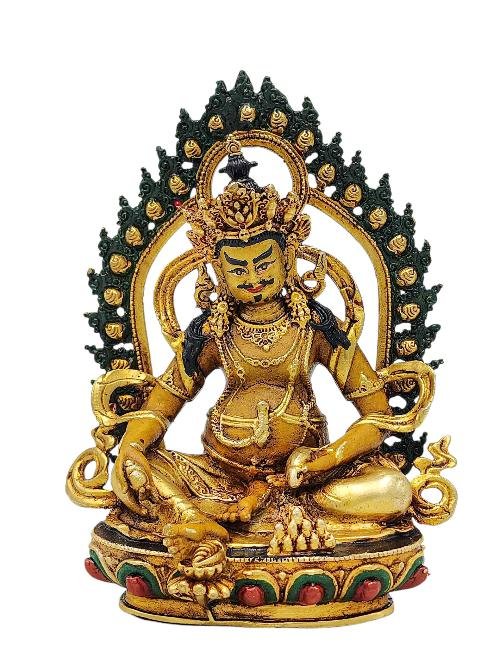
11cm Yellow Jambhala, Buddhist Miniature Statue, Partly Gold Plated Finish, Thangka Color Finish, Hand Painted Face
Weight : 0.25kg | [37193]
US$130

11cm Manjushri, Buddhist Miniature Statue, Partly Gold Plated Finish, Thangka Color Finish, Hand Painted Face
Weight : 0.2kg | [37196]
US$130