![Handmade Statue Of [green Tara] With [cheppu] On Top, Antique Finish](https://www.handmadeexpo.com/pics/product/37340.jpg)

![Handmade Statue Of [green Tara] With [cheppu] On Top, Antique Finish](https://www.handmadeexpo.com/pics/product/thumb/37340.jpg)
![Handmade Statue Of [green Tara] With [cheppu] On Top, Antique Finish](https://www.handmadeexpo.com/pics/product/thumb/37340_0.jpg)
![Handmade Statue Of [green Tara] With [cheppu] On Top, Antique Finish](https://www.handmadeexpo.com/pics/product/thumb/37340_1.jpg)
![Handmade Statue Of [green Tara] With [cheppu] On Top, Antique Finish](https://www.handmadeexpo.com/pics/product/thumb/37340_2.jpg)
Handmade Statue of Green Tara with Cheppu On Top, Antique Finish
Dolma
In the vast and profound tapestry of Tibetan Buddhism, few enlightened beings resonate as deeply with contemporary seekers as Green Tara. Revered as the ultimate manifestation of active compassion, she is the swift rescuer who steps down from her celestial throne to liberate sentient beings from fear, obstacles, and suffering. Unlike remote deities who require lifetimes of rigorous asceticism to reach, Green Tara is universally accessibleâa spiritual mother ready to respond to the sincere cry of any practitioner instantly.
For centuries, the practice of meditating on Green Tara has crossed cultural boundaries, captivating everyone from traditional monastic scholars in the Himalayas to modern western meditation practitioners. Whether you are drawn to her exquisite iconography, seeking the profound neurological peace offered by her mantra, or looking to invite the protective energy of a Green Tara statue into your living space, understanding her deep spiritual architecture can permanently enrich your inner life. This comprehensive guide explores the profound Green Tara meaning, her historical origins, her complex symbolism, and practical instructions for integrating her transformative presence into your home and daily practice.
Cheppu
: About Chephu Cheppu is one among the three siblings Garuda, Cheppu, and Hiti Manga. It is informed that once the mother of these siblings, mentioned her better half to conceive an offspring of such a child who might be the boldest, generally honest, and entitled with every single unrivaled imprint. Her better half advised her to hang tight for a specific period. She being impotency to hang tight for an extensive stretch, looked the home if he was conceived. She discovered Cheppu in a pre-mastered condition just with the arrangement of the head. Read More . . .Antique Finishing
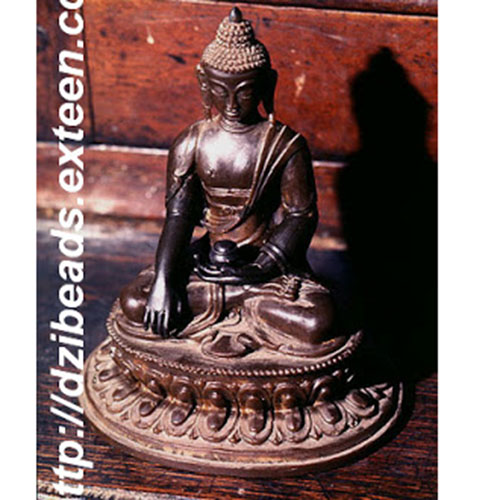
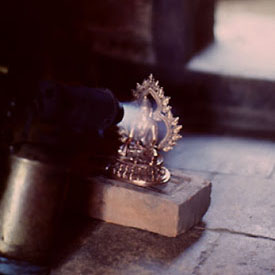
This is an antique patina-finished Green Tara. This is not an antique statue. It is just an antique patina finish. This Green Tara is a testament to the artisan's mastery of the art of aging. Its antique patina has been meticulously crafted to give the appearance of an aged statue, showcasing the artist's unique techniques and skills. Through undisclosed processes and careful aging treatments, the Green Tara undergoes a transformation that captures the essence of time and history. Read More . . .Lost-Wax System
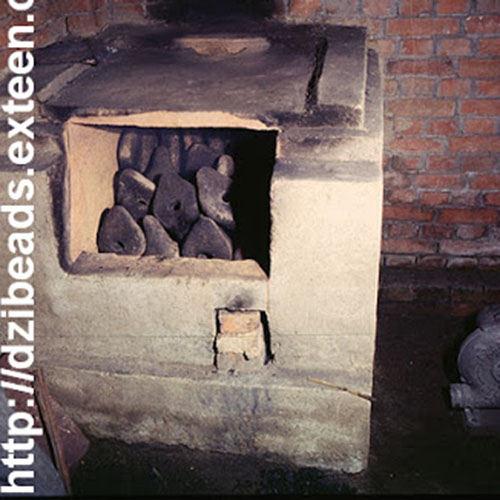
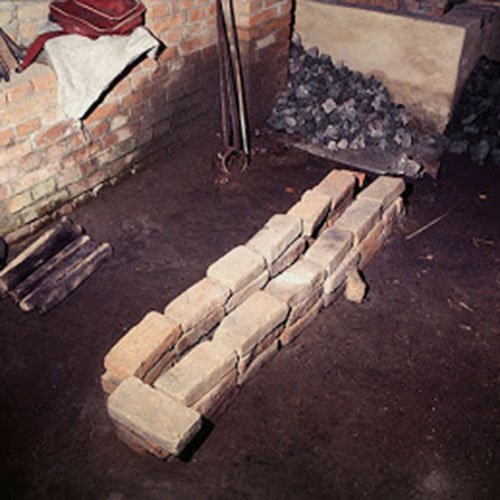
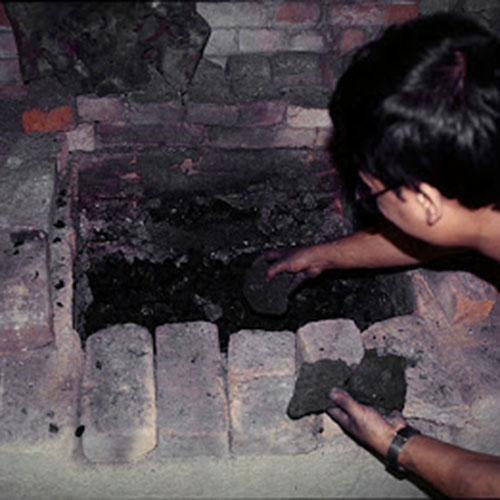
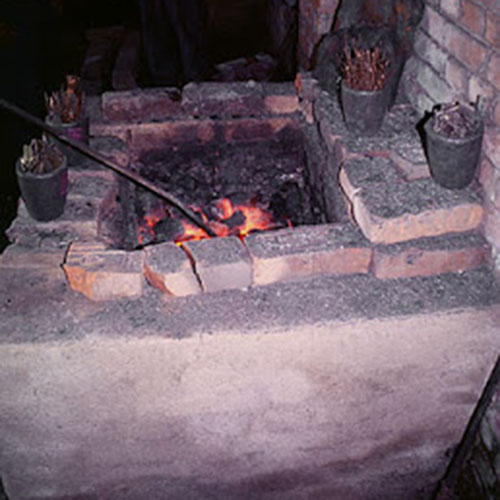
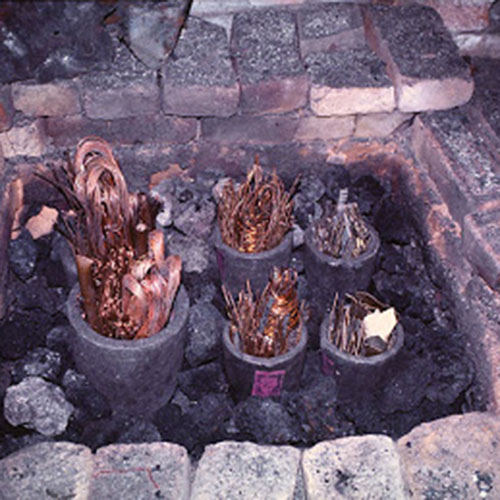
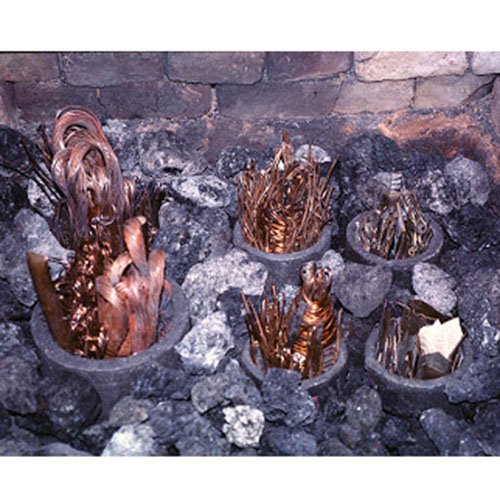
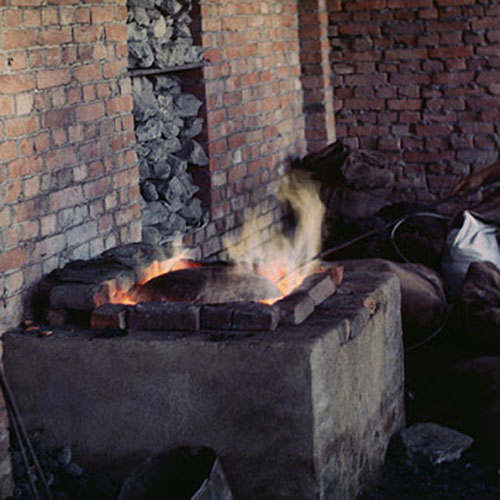
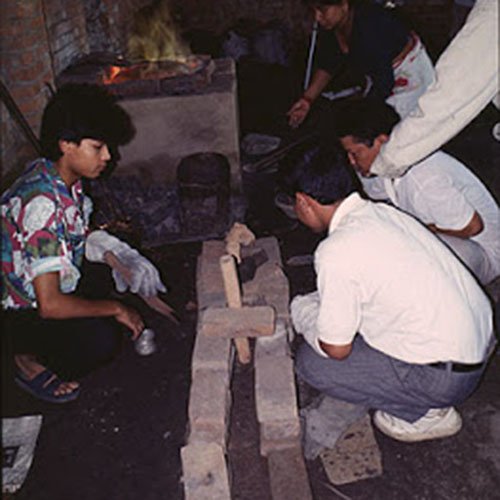
This of Green Tara is made by the process of the Lost Wax system. This is a very complicated, time consuming and historic process of making metal sculptures.Which is why it is sometimes called Precision Casting as well. Hence the sculptures made by this process are comparatively expensive. There are many new, advanced and less time consuming methods of casting metal sculptures available as well. But due to the benefits provided by the traditional lost wax system in quality control and customization, we prefer the Loss wax system over Ceramic molding, or sand casting to make our .Below we have tried to illustrate the process of making a loss wax system statue: Read More . . .
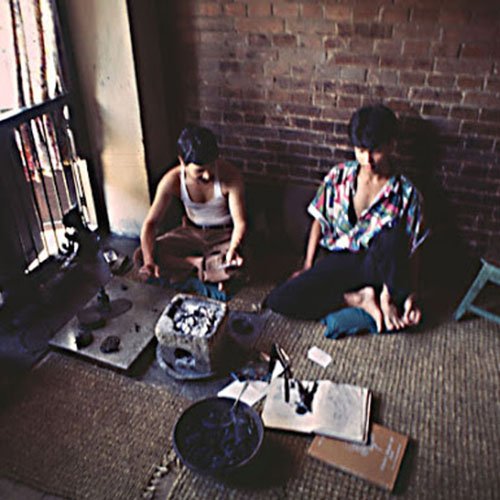
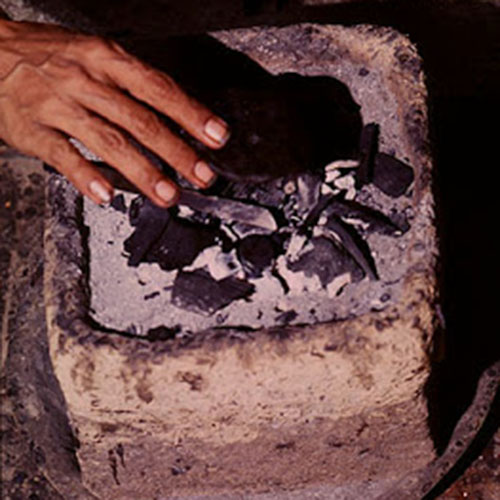









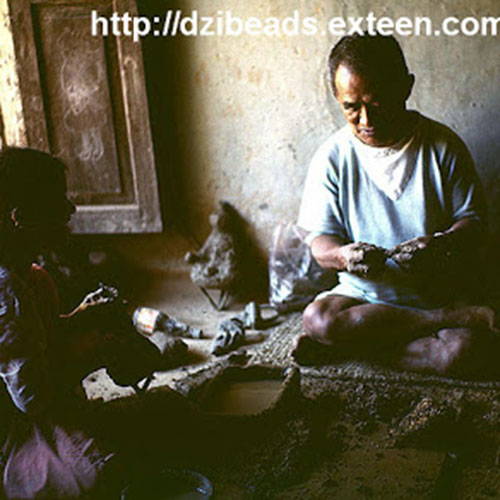
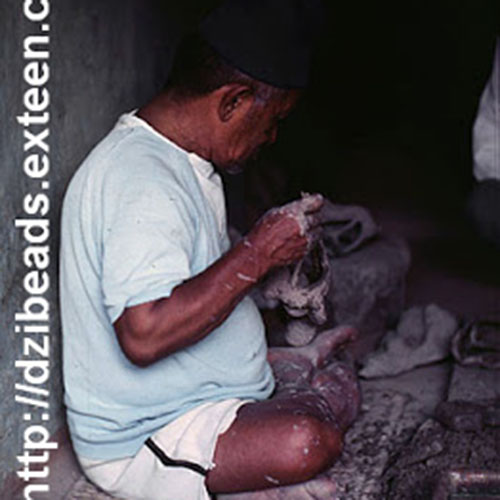

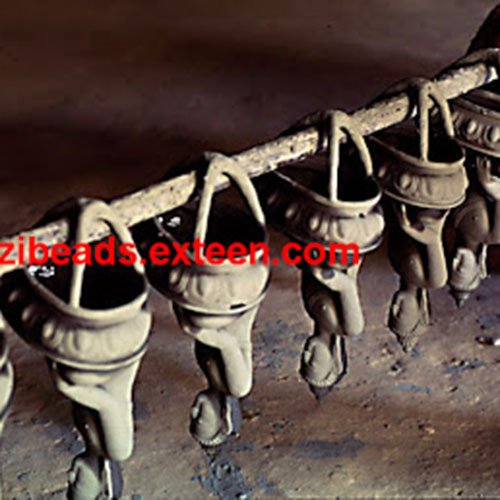
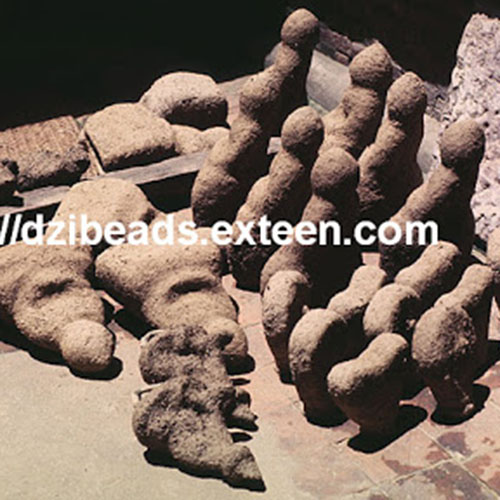
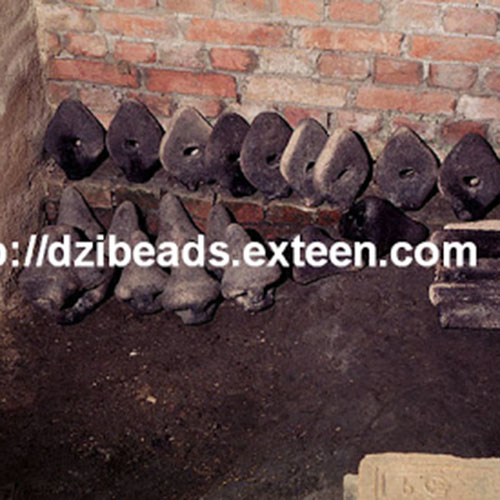

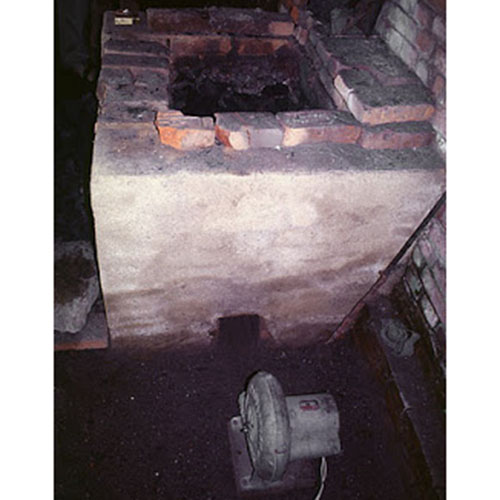

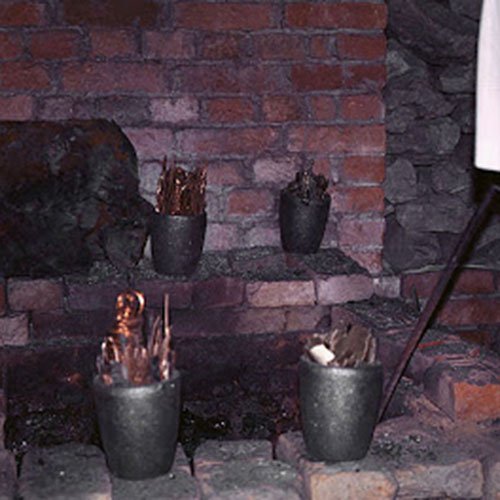
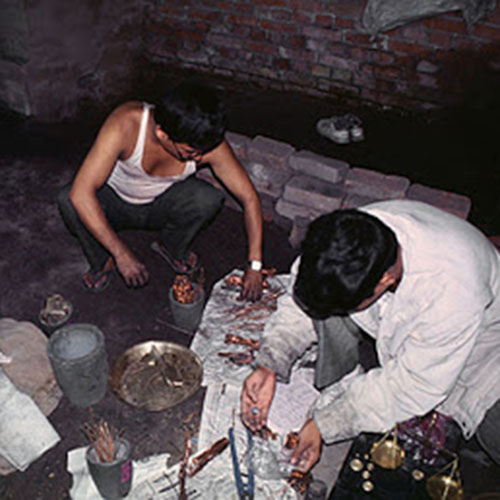


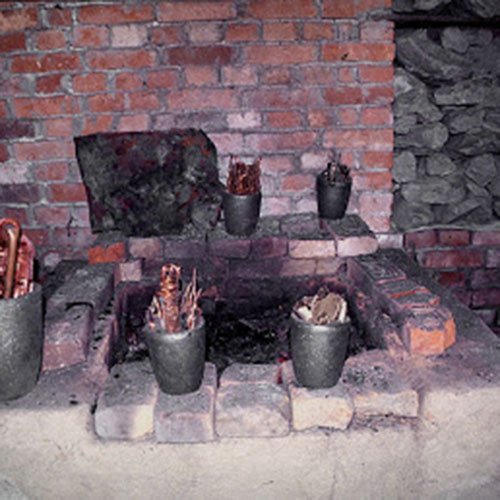


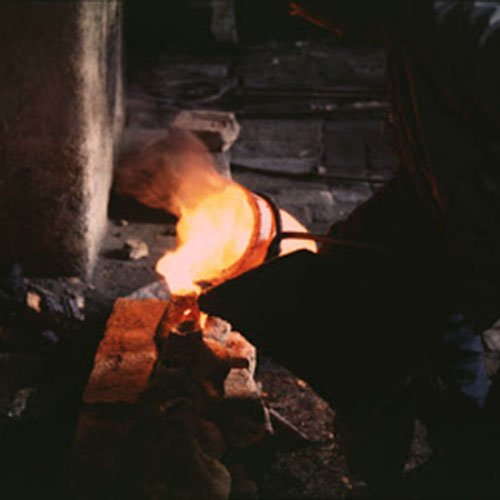


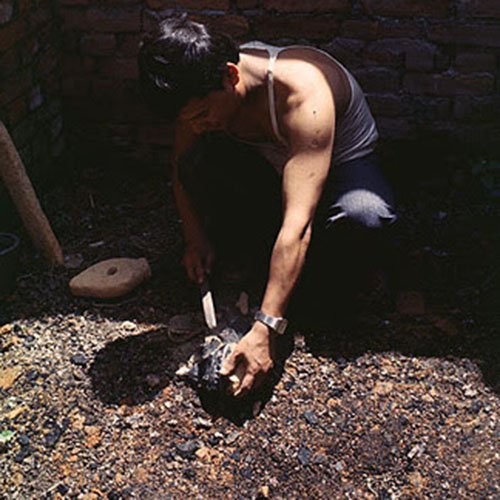









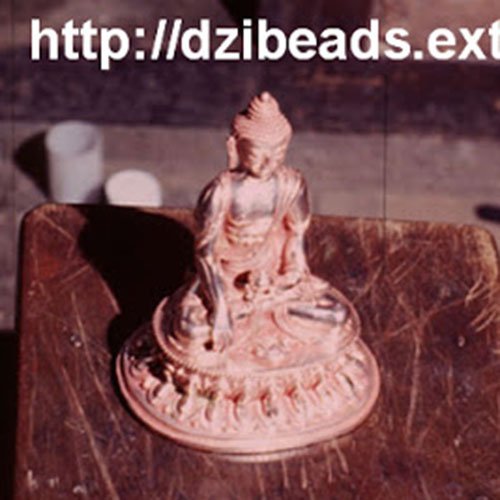
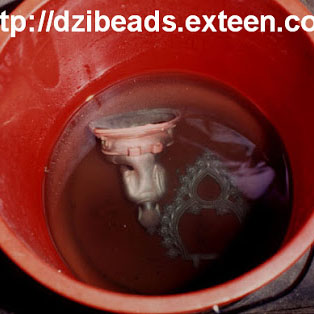
Who is Green Tara? :
To fully comprehend who Green Tara is, one must look past the superficial boundaries of gender and form. In Vajrayana Buddhism, Green Tara is not merely a mythological goddess or an external savior; she is an archetypal expression of the primordial mind's intrinsic capacity for enlightened action. The name "Tara" itself originates from the Sanskrit root tá¹, meaning "to cross over," "to traverse," or "to ferry across." Thus, she is literally "The One Who Ferries Us Across the Ocean of Samsara."
While the masculine energy of compassion is often visualized in the static, meditative poise of Avalokiteshvara (Chenrezig), Green Tara represents compassion in motion. She is the dynamic, kinetic force of the enlightened heart. She is frequently referred to as the "Mother of all Buddhas" because she nurtures the seed of awakening (Bodhicitta) within every human consciousness, protecting it from the scorching winds of delusion, pride, and hatred. To engage with her is to awaken your own dormant potential for swift, unconditioned, and fearless love toward all living beings.
The Origin and History of Green Tara
The cosmic origins of Green Tara are recorded in several foundational Mahayana sutras and Tantric lineages. According to the most cherished spiritual legend, the great Bodhisattva of Compassion, Avalokiteshvara, looked down upon the human realm from his celestial vantage point. Seeing the unceasing, cyclical agony of sentient beings trapped in samsara, he wept bitter tears of deep despair. His tears pooled upon the earth and formed a radiant, crystalline lake. From the depths of this lake, a magnificent lotus flower bloomed, and as its petals opened, it revealed the radiant form of Tara.
Another pivotal historical account traces her lineage back to a princess named Yeshe Dawa (Moon of Wisdom), who lived countless aeons ago in a distant universe. Princess Yeshe Dawa was an exceptionally advanced practitioner who regularly made vast offerings to the Buddha of that era. Recognizing her profound realization, the monastic hierarchy suggested that she pray to be reborn as a man in her next life so that she might become a fully authorized spiritual teacher.
Displaying extraordinary radical wisdom, Yeshe Dawa refused. She noted that many individuals sought enlightenment in male forms, but tragically few did so as women. She made a solemn, unshakeable cosmic vow: "Until samsara is completely emptied, I shall work for the benefit of all sentient beings exclusively in a female body." Through this vow, she achieved supreme enlightenment, establishing the historical and spiritual framework for Green Tara as the ultimate emblem of sacred feminine power within Buddhism.
The Symbolism and Iconography of Green Tara :
Every single line, curve, color, and proportion in Green Tara iconography serves as a sophisticated visual language designed to communicate deep psychological and metaphysical truths directly to the practitioner's subconscious mind. Sacred Tibetan art does not aim for decorative beauty; it functions as a visual map of the enlightened state.
The Metaphysical Meaning of Her Color
The striking, vibrant emerald hue of Green Tara holds profound spiritual weight. In the system of the Five Dhyani Buddhas, the color green is directly associated with Amoghasiddhi, the Buddha of Unfailing Success and All-Accomplishing Action. Green represents the natural element of wind (Vayu). Just as the wind moves invisibly and instantly across the earth, Green Tara's enlightened energy moves with unparalleled speed to alleviate suffering. Her color signifies vitality, spiritual youth, growth, and the immediate transformation of jealousy into all-accomplishing wisdom.
The Sacred Geometry of Her Posture
Unlike other deities who sit in the rigid, cross-legged stillness of full lotus posture, Green Tara is depicted in a state of dynamic readiness known as Lalitasana, or the posture of royal ease. Her left leg is tucked inward, signifying her total mastery over inner delusions and her absolute absorption in absolute reality. Conversely, her right leg is extended outward, with her foot resting gently upon a small lotus stool. This extended right foot symbolizes her readiness to spring into immediate action at a moment's notice to rescue anyone who calls upon her name.
The Dual Lotus Flowers
In almost all traditional representations, Green Tara holds the stems of two blue-green lotus flowers (Utpala) in her hands, which bloom gracefully beside her shoulders. One flower is typically depicted as fully open, while the other is a tightly sealed bud. This delicate pairing symbolizes her omniscience across time. The blooming lotus represents the historical Buddhas of the past, while the un-bloomed bud symbolizes the potential Buddhas of the future. By holding both, she reveals that she is the eternal guardian of the path of awakening, existing completely outside the linear constraints of time.
The Mystical Hand Gestures (Mudras)
The placement of Green Tara's hands conveys her relationship to the practitioner:
- The Right Hand (Varada Mudra): Extended downward over her right knee with the palm facing outward, this is the gesture of supreme open-handed generosity and the granting of boons. It signifies her willingness to give practitioners both material comfort and the ultimate gift of spiritual liberation.
- The Left Hand (Prithvi Mudra / Refuge-Giving): Held close to her heart, the thumb and ring finger touch to create a circle, while the other three fingers extend upward. The three raised fingers represent the Three Jewels: the Buddha (Enlightened Guidance), the Dharma (Spiritual Truth), and the Sangha (Sacred Community). The closed circle demonstrates that wisdom and method are perfectly unified within her heart.
Benefits of Green Tara Practice and Mantra Chanting
Engaging regularly in Green Tara practice yields profound psychological, emotional, and physical rewards. In the traditional text The Praise to the Twenty-One Taras, it is written that her practice is the supreme antidote to the "Eight Great Fears" that plague human existence. While ancient texts describe these fears literally, modern psychology recognizes them as powerful metaphors for internal emotional blockages:
- The Lion: Pride and arrogance
- The Wild Elephant: Ignorance and mental delusion
- The Forest Fire: Anger, hatred, and resentment
- The Snake: Envy, jealousy, and malicious competitiveness
- The Thief: False views, fanaticism, and spiritual dishonesty
- The Fetter / Captivity: Greed, attachment, and addictive behaviors
- The Raging Waters: Attachment, emotional drowning, and desire
- The Flesh-Eating Demon: Chronic doubt, paralyzing anxiety, and insecurity
The primary Green Tara benefits include the rapid clearing of karmic obstacles, the pacification of chronic anxiety, and the generation of creative inspiration. Practitioners frequently report that chanting her sacred syllables induces a deep state of mental clarity, emotional resilience, and an unshakeable sense of being divinely protected from external harms and internal neuroses.
The Green Tara Mantra and Its Meaning
The auditory heart of Green Tara's realization is her renowned ten-syllable mantra. It is a sonic formulation that compresses the entirety of her enlightened energy into a brief sequence of syllables. Reciting this mantra with focused intent alters the energetic pathways of the subtle body, shifting the brain from a state of fight-or-flight stress into a state of expansive, compassionate awareness.
Oá¹ TÄre TuttÄre Ture SvÄhÄ
To fully grasp the profound Green Tara mantra meaning, we must dismantle it syllable by syllable, mapping its linguistic architecture to the progressive stages of spiritual evolution:
- Oá¹ (à¥): The universal primordial sound. It represents the impure body, speech, and mind of the practitioner transforming into the exalted, pure body, speech, and mind of a fully awakened Buddha.
- TÄre: This word signifies liberation from the physical suffering of samsara, including sickness, old age, poverty, and environmental dangers. It frees us from the cycle of uncontrolled rebirth.
- TuttÄre: This crucial phrase liberates the mind from the eight inner fears and the psychological suffering caused by delusion. It brings deep emotional healing and rectifies distorted mental habits.
- Ture: This syllable signifies the ultimate liberation from spiritual ignorance. It delivers us into the true nature of reality, accelerating our realization of emptiness and awakening the absolute wisdom mind.
- SvÄhÄ (So-ha): Meaning "so be it" or "may these blessings take root." It seals the power of the mantra within the practitioner's heart, planting the seeds of enlightenment deep inside the subconscious.
How to Place Green Tara Statues at Home :
Inviting a physical Green Tara statue into your living or workspace is an excellent way to anchor her protective and compassionate energy in your daily environment. According to the ancient principles of Buddhist sacred space design and Tibetan geomancy, proper placement maximizes the flow of beneficial energy throughout your home.
1. Elevate the Sacred Form
Always place your statue on an elevated shelf, altar, or table. It should never sit directly on the floor, on a low coffee table, or underneath a TV display. Ideally, the statue should rest at or above your eye level when you are standing or meditating in front of it. This physical elevation reflects your inner reverence for the enlightened qualities she embodies.
2. Ideal Directional Facing
Traditionally, it is highly recommended to place Green Tara facing the East. East is the direction of the rising sun, representing renewal, fresh beginnings, and the dawn of absolute wisdom. Alternatively, facing the main entrance of your home allows her gaze to neutralize any negative or chaotic energy entering the household, enveloping your family in a shield of swift protection.
3. Choosing the Right Room
The perfect locations for your statue are a dedicated meditation room, a quiet home office, or a peaceful corner of your main living room. Avoid placing sacred images in low-energy or private areas such as bathrooms, kitchens, or directly facing the foot of your bed, as these locations are considered disrespectful to her enlightened form.
4. Maintaining an Active Altar Space
To keep the spiritual atmosphere vibrant, keep the space surrounding your statue impeccably clean and free of domestic clutter. You can amplify her energy by placing traditional offerings before her, such as seven bowls of fresh water, beautiful fresh flowers, sweet incense, and small tea lights. These actions build a powerful loop of mindfulness in your daily routine.
What People Want to Know About Green Tara :
1. What is the fundamental difference between Green Tara and White Tara?
While both are expressions of enlightened compassion, Green Tara represents active, dynamic energy and swift protection against immediate worldly and spiritual obstacles. White Tara symbolizes maternal serenity, pacification, and her practice is focused primarily on granting long life, deep healing, and restoring vital health.
2. Do I need an official initiation to chant the Green Tara mantra?
No, you do not need a formal Tantric empowerment (Wang) to chant the basic Green Tara mantra (Om Tare Tuttare Ture Svaha). It is an open, universally accessible mantra that anyone can safely recite with a pure, sincere heart to receive her immense blessings and protective energies.
3. Why is Green Tara depicted with a green complexion?
Her green color connects her directly to the wind element and Amoghasiddhi Buddha, the archetype of all-accomplishing action. It symbolizes her spiritual youth, rapid speed, boundless vitality, and her ability to instantly manifest practical help and transform jealousy into wisdom.
4. Can I place a Green Tara statue in my bedroom?
It is best to avoid placing a sacred statue in a primary bedroom out of respect. However, if you live in a studio apartment or have limited space, you may place her there provided she is set on a high shelf and covered with a clean, fine silk cloth when you are sleeping.
5. How many times should I recite her mantra every day?
Traditionally, practitioners recite the mantra 108 times per day using a Buddhist mala to count. If your schedule is tight, reciting it 3, 7, or 21 times with absolute focus and deep devotion is highly beneficial for establishing emotional stability and clearing daily mental obstacles.
Mantra for Green Tara
You may also want to read the related articles :
At Handmade Statue, we aim to provide a seamless and user-friendly experience. While our website is not a direct online shopping platform, we have a shopping cart system to make submitting your inquiries easy. Follow these steps to place your order:
Step 1: Browse Our Products
Explore our website to discover a wide range of authentic Nepali handicrafts, including statues, thangkas, singing bowls, wood carvings, jewelry, and more. Click on any product to view detailed descriptions and images.
Step 2: Add Items to Your Inquiry Cart
Click the “Add to Inquiry Cart” button for each product you are interested in. This will help you organize your selections conveniently.
Step 3: Review Your Inquiry Cart
Once you’ve added all your items, review your cart to ensure accuracy before submitting your inquiry.
Step 4: Submit Your Inquiry
Click the “Submit Inquiry” button. Fill out the form with your contact details, selected products, and any specific questions or customization requests.
Step 5: Communicate via Email
Since we don’t have an automated payment system, our team will respond to your inquiry via email. We’ll provide guidance, answer questions, and assist with customization requests.
Step 6: Finalize Your Order
Confirm all product details and customization options with our team. Once everything is finalized, we will provide secure payment instructions.
Step 7: Complete Your Payment
Make the payment through the provided method. After confirmation, we will process and prepare your order for shipment.
Step 8: Shipping and Delivery
We offer worldwide shipping. Once your order is dispatched, we will provide tracking details and shipping information.
Step 9: Receive and Enjoy Your Handicrafts
Unpack your beautiful handmade Nepali products and enjoy the craftsmanship and cultural heritage of Nepal.
Need Assistance?
If you face any issues or have questions while placing your order, contact us via email or mobile communication apps. Our team is dedicated to providing prompt support and a smooth ordering experience.
We hope this straightforward ordering process ensures a delightful and satisfying experience with Handmade Statue. Thank you for choosing us to connect you with the rich heritage of Nepali handicrafts.
Return Policy
We have a 7 days money back policy but buyer have to pay the return shipping charges.
Shipping
- Shipping cost is calculated, based on the shipping weight of the products ordered. THe normal Shipping cost is US$25 for upto 0.5 kgs weight
- We ship Worldwide, Except Russia and India.
- The deliver duration varies for international Shipping location. We normally dispatch the product in 2 -3 business days. Else Buyer will be infromed Personally about the shipping.
Related Products
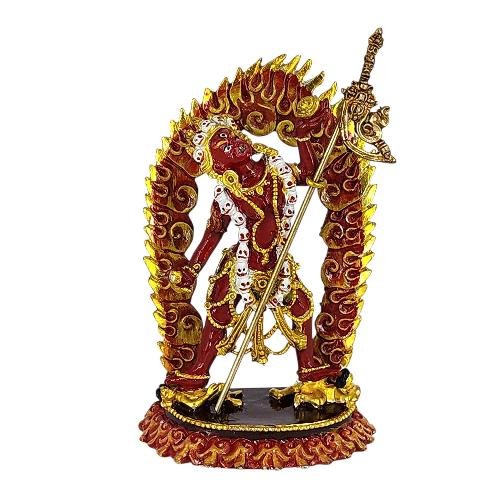
10cm Zzzz Buddhist Miniature Statue, Partly Gold Plated Finish, Thangka Color Finish
Weight : 0.15kg | [37510]
US$70
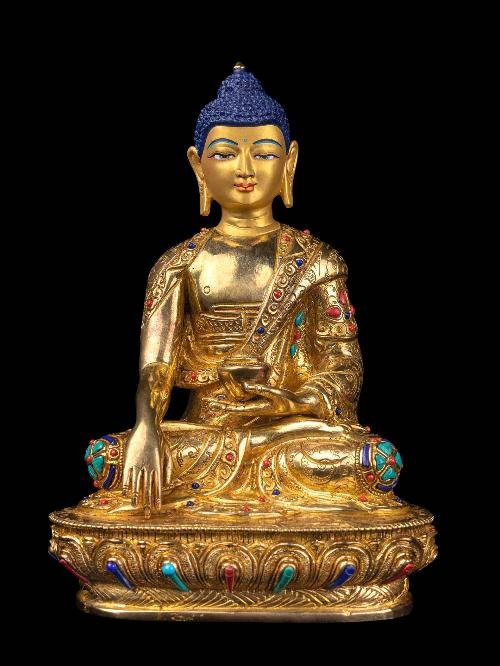
21.5cm Shakyamuni Buddha Handmade Nepali Buddhist Statue, Full Gold Plated, Face Painted
Weight : 1.17kg | [37490]
US$1155

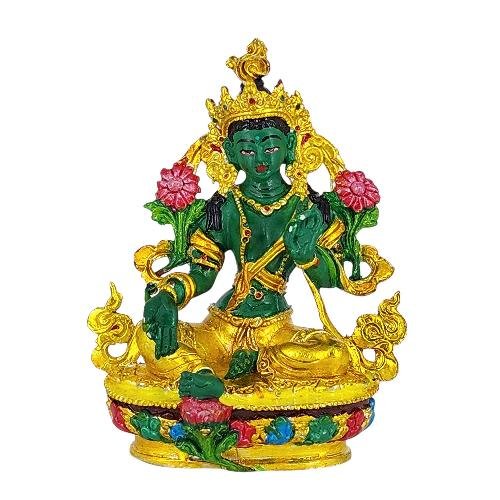
9cm Zzzz Buddhist Miniature Statue, Partly Gold Plated Finish, Thangka Color Finish
Weight : 0.19kg | [37514]
US$70
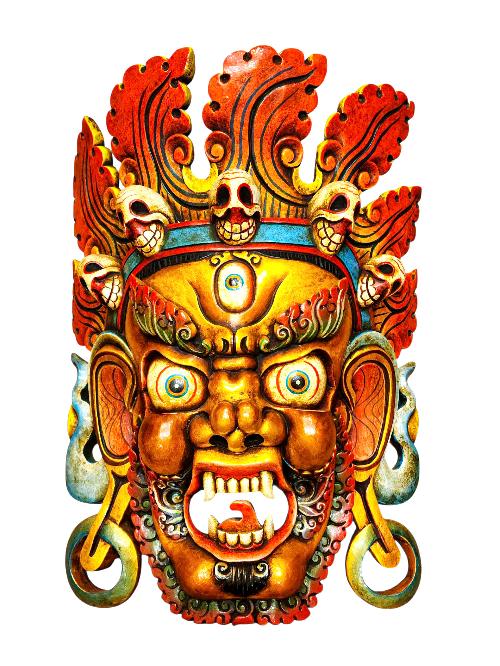
65cm Buddhist Wooden Mask Of Bhairav, Tibetan Style Wtih Traditional Colors, Poplar Wood
Weight : 4.4kg | [36891]
US$200
US$170
You Save
US$30
(15%)
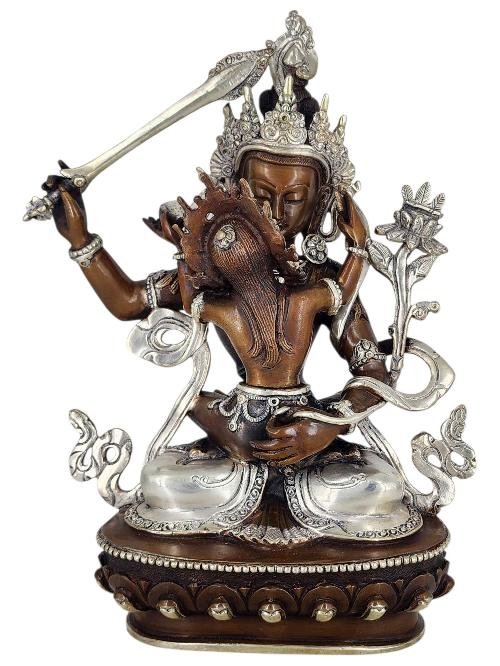
24cm Manjushri Wisdom Bodhisattva Shakti Yab Yum Statue Copper With Silver And Chocolate Oxidized Finish
Weight : 1.87kg | [37231]
US$450
US$385
You Save
US$65
(15%)

23cm Aparmita Handmade Nepali Buddhist Statue, Full Gold Plated, Face Painted
Weight : 1.28kg | [37496]
US$1010
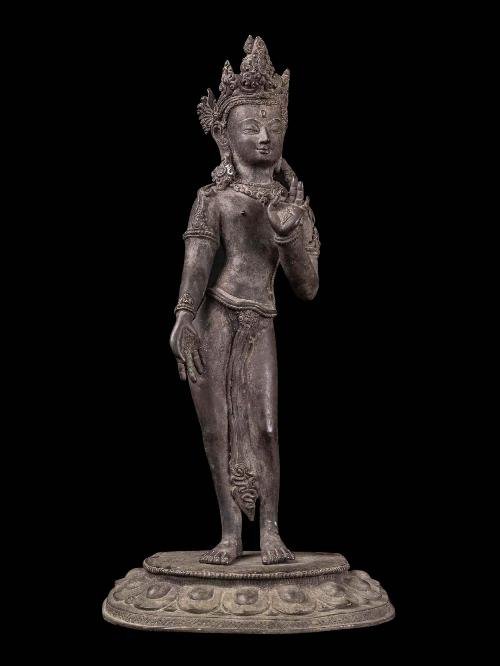
42cm Padmapani Lokeshwor Handmade Statue, Stone Setting
Weight : 3.11kg | [37500]
US$2160