![[ganesh], Buddhist Statue, [partly Gold Plated], [face Paint]](https://www.handmadeexpo.com/pics/product/35635.jpg)

![[ganesh], Buddhist Statue, [partly Gold Plated], [face Paint]](https://www.handmadeexpo.com/pics/product/thumb/35635.jpg)
![[ganesh], Buddhist Statue, [partly Gold Plated], [face Paint]](https://www.handmadeexpo.com/pics/product/thumb/35635_0.jpg)
![[ganesh], Buddhist Statue, [partly Gold Plated], [face Paint]](https://www.handmadeexpo.com/pics/product/thumb/35635_1.jpg)
![[ganesh], Buddhist Statue, [partly Gold Plated], [face Paint]](https://www.handmadeexpo.com/pics/product/thumb/35635_2.jpg)
![[ganesh], Buddhist Statue, [partly Gold Plated], [face Paint]](https://www.handmadeexpo.com/pics/product/thumb/35635_3.jpg)
![[ganesh], Buddhist Statue, [partly Gold Plated], [face Paint]](https://www.handmadeexpo.com/pics/product/thumb/35635_4.jpg)
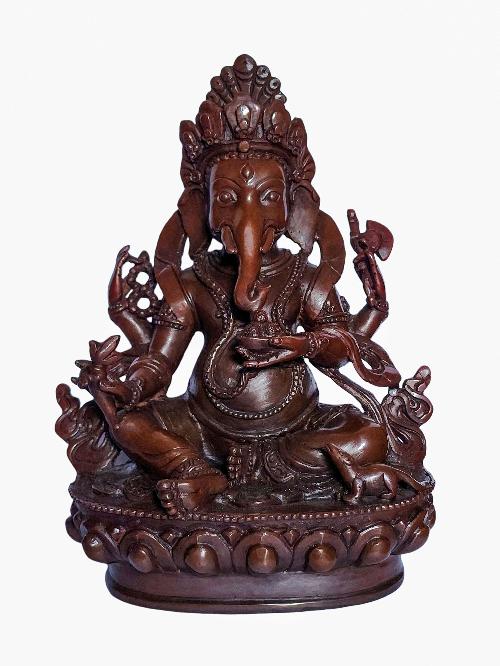
Ganesh, Buddhist Statue, Partly Gold Plated, Face Paint
Ganesha
In the vast and vibrant pantheon of Hinduism, few deities command as much universal love, devotion, and instant recognition as Lord Ganesh. With his distinct elephant head, magnificent belly, and gentle yet majestic demeanor, the Hindu elephant-headed god transcends regional, sectarian, and even religious boundaries. He is a fixture not just in grand temples, but on the dashboards of cars, the entryways of homes, the first pages of accounting ledgers, and the altars of students and spiritual seekers globally.
Far beyond his unique physical appearance lies a profound layer of metaphysical truth. Lord Ganesh is not merely a mythological figure; he is an archetypal force representing supreme wisdom, cosmic order, and the psychological tools needed to navigate human life. Understanding Lord Ganesh's meaning, symbolism, iconography, and spiritual significance unlocks a timeless blueprint for personal growth, intellectual clarity, and spiritual enlightenment.
Gold Painted Face
The face of Ganesh is painted with gold to enhance its significant features, particularly the eyes, and lips. This detailed painting is essential as it brings forth the crucial attributes of the expression of eyes and lips that metal carving alone cannot capture.Moreover, the painted face serves as a symbolic and sacred ritual in Buddhism, preparing the statue for consecration and practice. The act of painting the face with gold in Buddhism holds deep meaning. It represents the intention to bring life and expression to the statue, imbuing it with a sense of vitality and presence. The application of gold on the face showcases the devotion and craftsmanship of the artisans, ensuring that every detail is carefully attended to honor the sacred essence of the Ganesh. Read More . . .
Partly Gold plating.
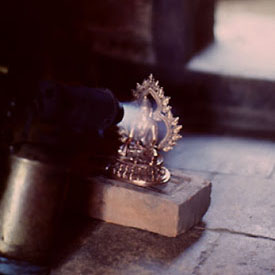
This Ganesh has a Partly gold-plated finish. Partly fire gold gilding, a common practice in Nepali handicrafts. This technique is skillfully employed by artisans to create intricate designs on various metal objects, including statues, jewelry, and decorative items. Through a process, a mask or resist is applied to safeguard specific areas from the gold plating. The object is then subjected to high temperatures, allowing the gold to beautifully adhere to exposed surfaces using a combination of heat and pressure.In the realm of Buddhist statues, this technique holds additional significance as it distinguishes the golden-plated body from the oxidized or maroon-painted clothing. This visual separation conveys the contrast between the divine purity of the body and the modest attire symbolizing the humble lifestyle of Buddhist monks. The partly fire gold gilding not only adds exquisite detail and elegance but also embodies the deep cultural and spiritual meaning associated with these treasured artifacts. Read More . . .
Lost-Wax System
This Ganesh of Ganesh is made by the process of the Lost Wax system. This is a very complicated, time consuming and historic process of making metal sculptures.Which is why it is sometimes called Precision Casting as well. Hence the sculptures made by this process are comparatively expensive. There are many new, advanced and less time consuming methods of casting metal sculptures available as well. But due to the benefits provided by the traditional lost wax system in quality control and customization, we prefer the Loss wax system over Ceramic molding, or sand casting to make our Ganesh.Below we have tried to illustrate the process of making a loss wax system statue: Read More . . .
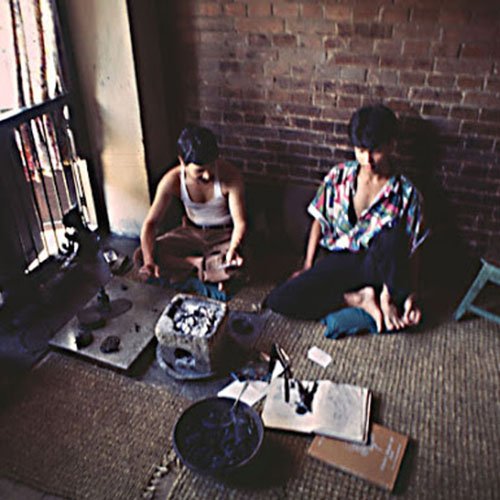
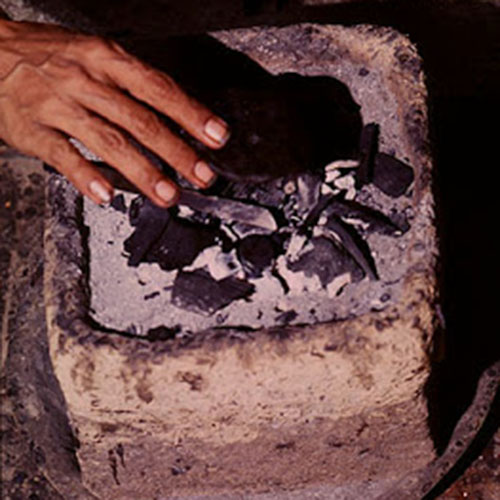




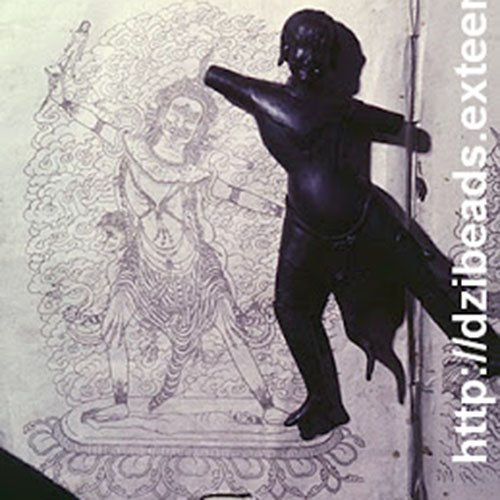


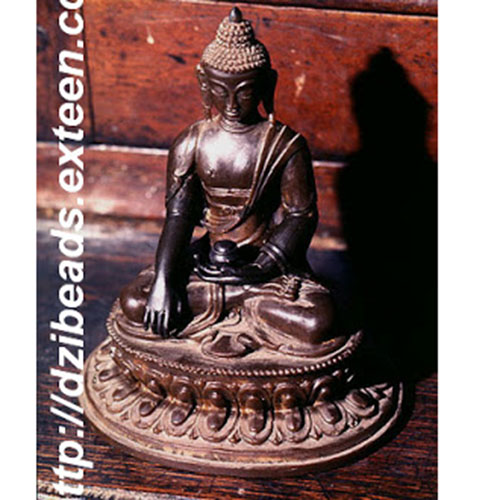

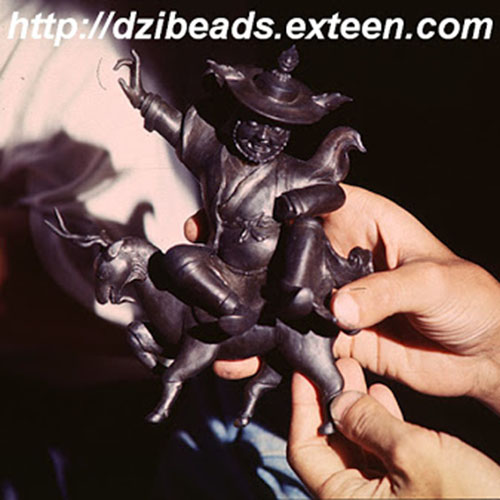
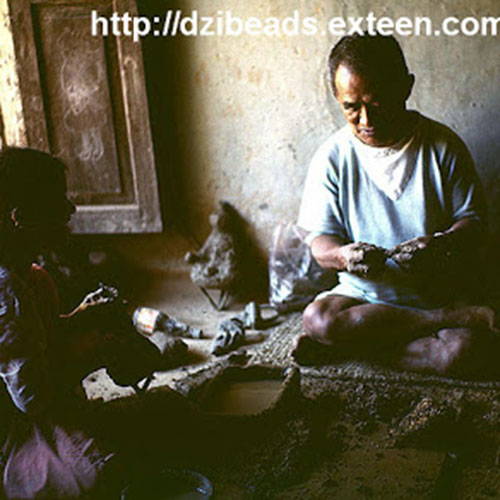
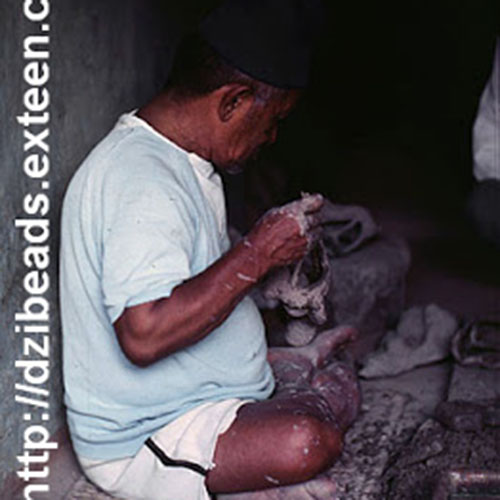

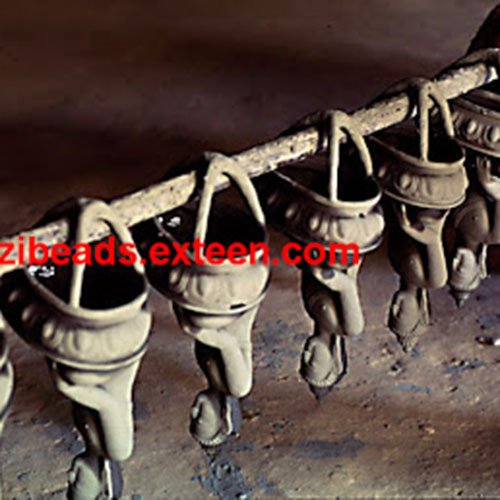
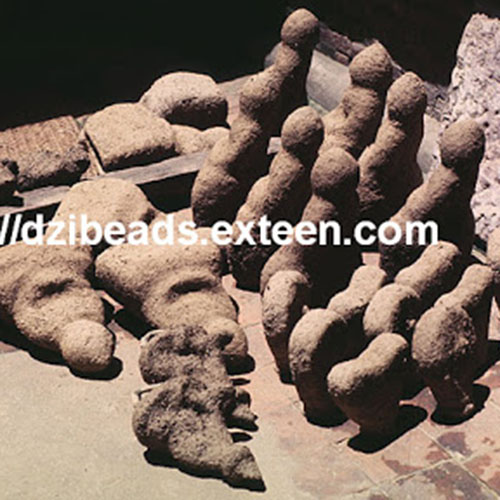
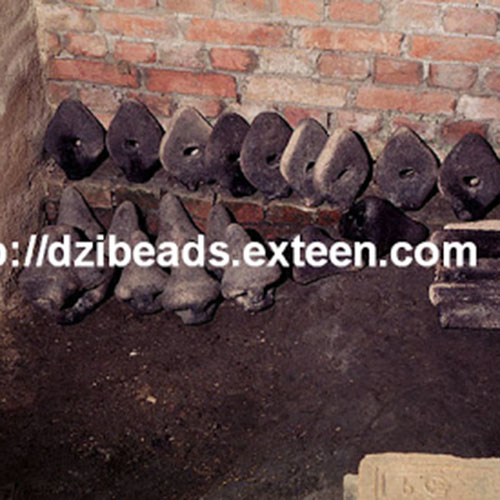
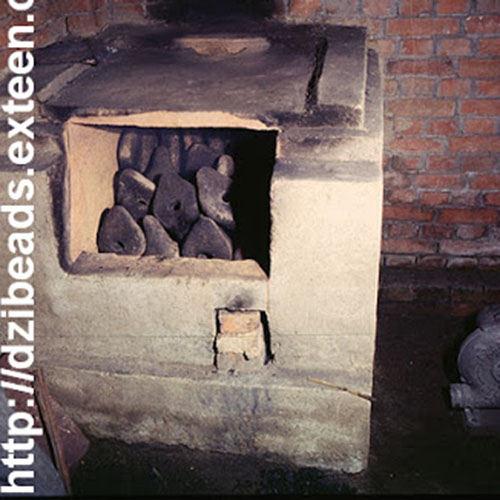
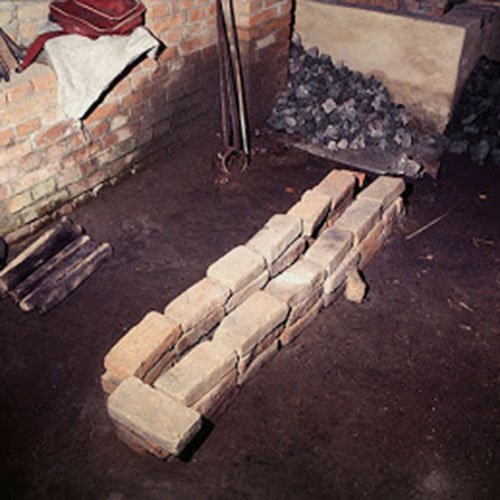
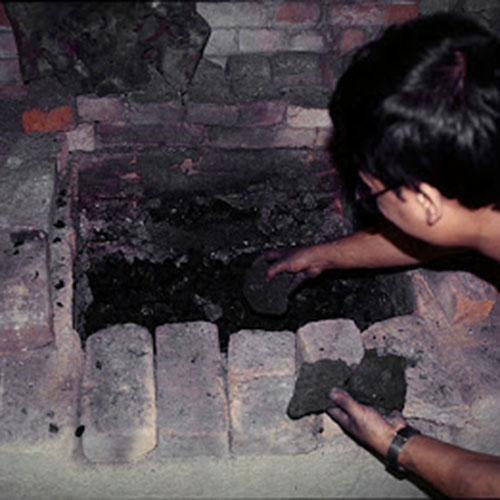

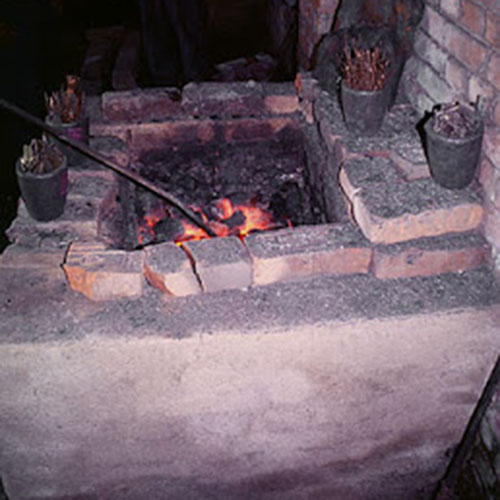
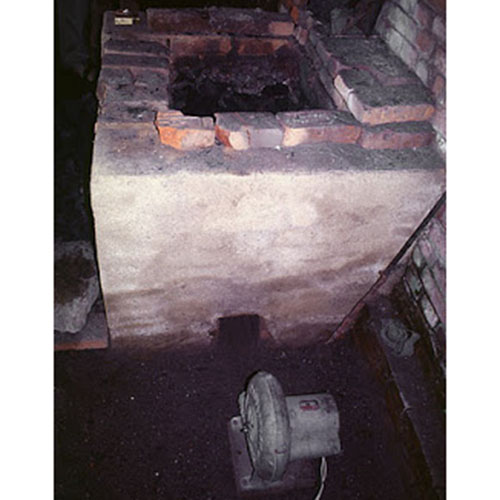
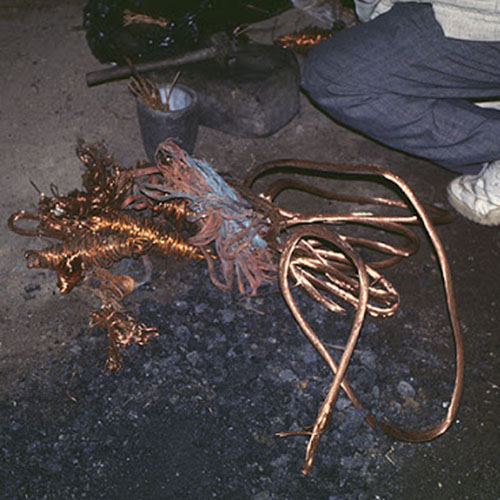
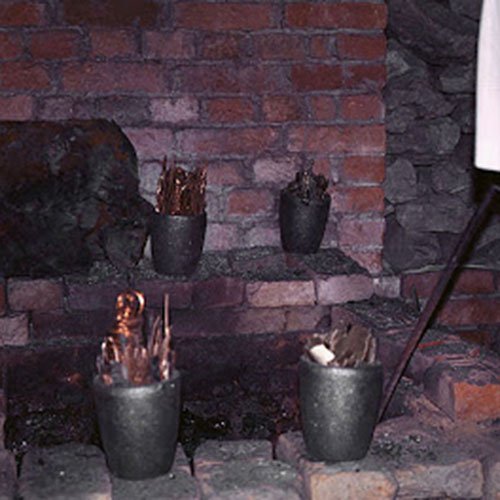
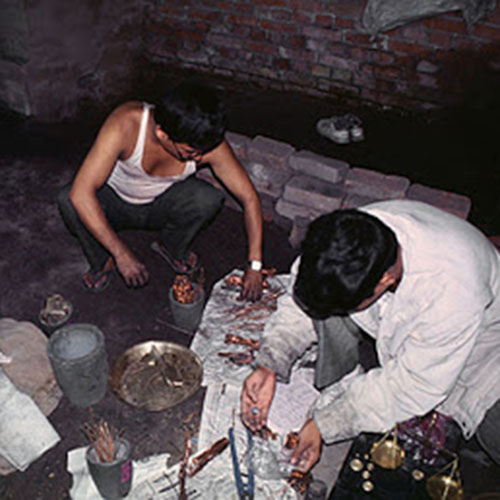


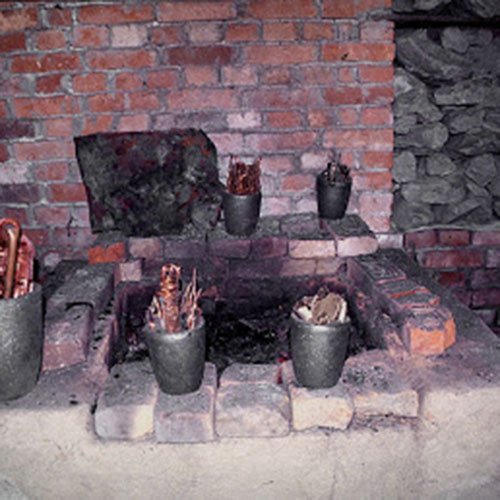
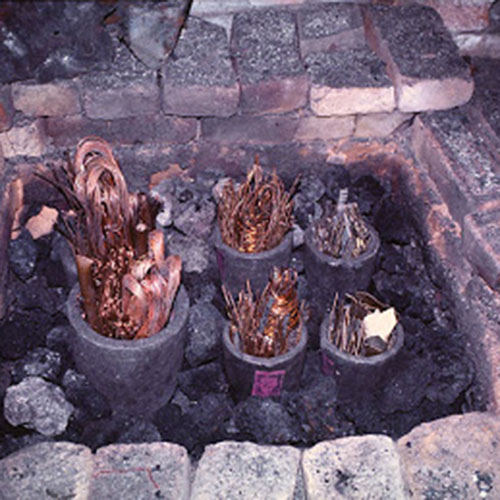
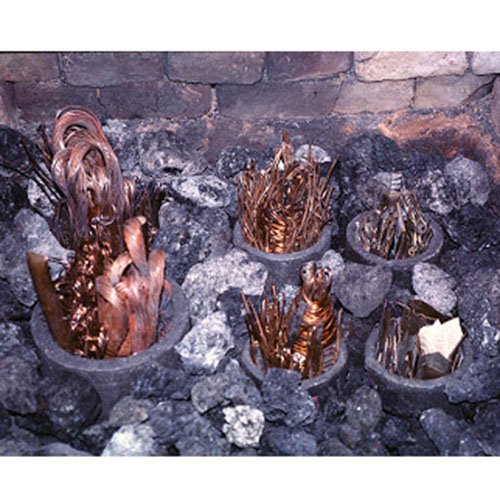

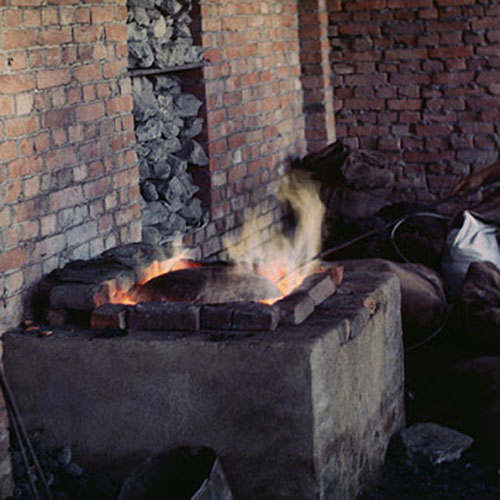

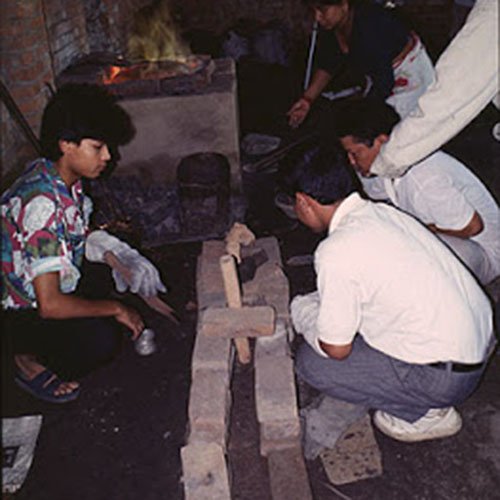
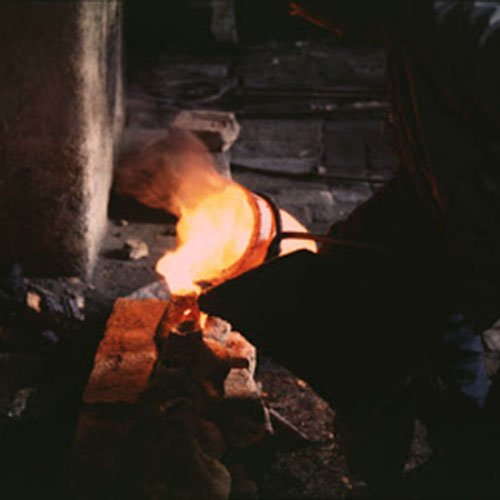


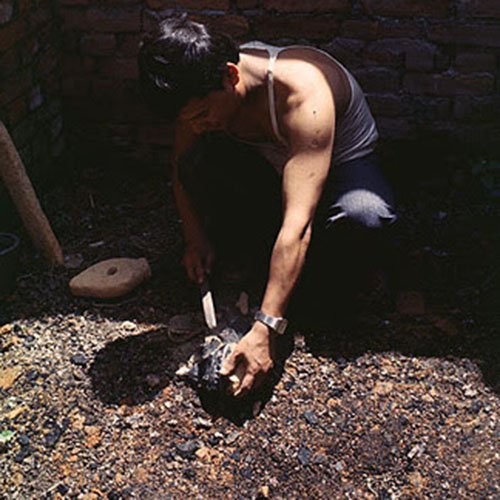



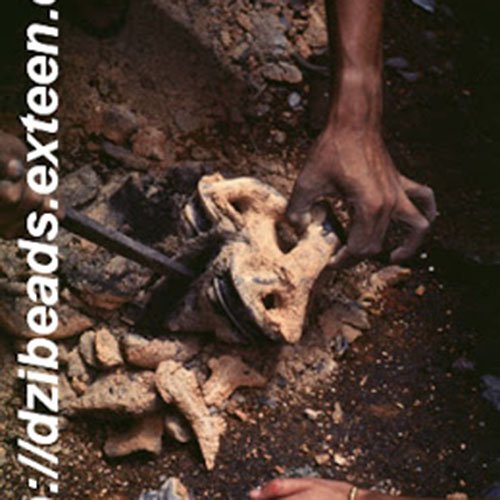





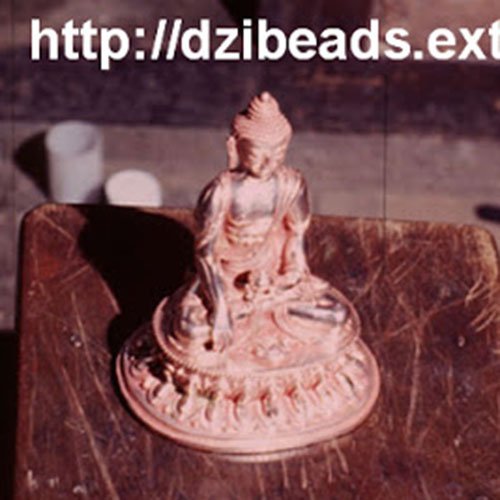
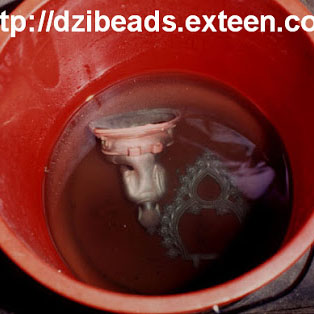
Who is Lord Ganesh? :
Lord Ganesh is one of the five primary deities in the Panchayatana puja tradition of Hinduism, occupying a central place of reverence across all major traditions. He is universally hailed as the remover of obstacles (Vighnaharta) and the patron of arts, sciences, letters, and wisdom.
Origins of Ganesh
Scripturally, Ganesh is the son of Lord Shiva (the destroyer and transformer within the Hindu trinity) and Goddess Parvati (the divine mother and embodiment of Shakti). Born from the divine play of the cosmos, his emergence bridges the unmanifest, absolute reality of Shiva with the manifest, material energy of Parvati.
His Role in Hinduism
Ganesh serves as the Pratham Pujya, meaning the deity who must be invoked before any other. Whether a ritual is dedicated to Vishnu, Shiva, or Durga, it invariably begins with an invocation to Ganesh. He guards the threshold between the mundane and the sacred, acting as the celestial gatekeeper.
Why Devotees Worship Ganesh First
The cosmic protocol of worshipping Ganesh first is rooted in both divine decree and practical psychology. According to Vedic lore, Lord Shiva granted his son the boon of primordial worship. Psychologically, before launching any new endeavor, one must clear the mental landscape of doubts, fears, and obstacles. Worshipping Ganesh first ensures that the mind is grounded, aligned, and ready for success.
His Importance in Daily Life and Religious Ceremonies
From purchasing a new house (Griha Pravesh) and starting a business to sitting for an exam or getting married, Ganesh worship is the foundational bedrock of Hindu life. He brings Riddhi (prosperity) and Siddhi (spiritual intellect), making him an indispensable companion in both material pursuits and spiritual evolution.
Meaning of the Name Ganesh :
The names attributed to this beloved deity are rich in linguistic and philosophical depth. Analyzing his primary nomenclature reveals his cosmic governance.
Gana and Isha
The word Ganesha is a Sanskrit compound composed of two words:
- Gana: Refers to a group, multitude, or collection of categories. In cosmic terms, the Ganas are the assembly of celestial attendants of Lord Shiva, representing all existing particles, life forms, and elemental forces in the universe.
- Isha / Pati: Means lord, master, or ruler.
Meaning of Ganesha
Therefore, Ganesha or Ganapati literally translates to "Lord of the Multitudes" or "Master of the Cosmic Elements." He is the supreme intelligence that organizes the chaotic energies of the universe into an ordered, harmonious creation.
Other Prominent Names
- Vinayaka: Meaning "the supreme leader" or "one who has no master above him."
- Vighnaharta: "The destroyer of obstacles," reflecting his power to clear paths.
- Ekadanta: "The single-tusked one," symbolizing focused determination and non-duality.
- Lambodara: "The large-bellied lord," signifying the capacity to contain the entire universe within oneself.
Origin and Birth Story of Lord Ganesh
The Puranic accounts of Lord Ganeshâs birth are highly symbolic narratives packed with profound allegorical meanings.
Birth from Goddess Parvati
The most celebrated account from the Shiva Purana narrates that Goddess Parvati created Ganesh out of pure turmeric paste mixed with her own divine essence. Desiring a loyal guardian while she bathed, she breathed life into the form. When Lord Shiva returned to his abode on Mount Kailash, the young boy, strictly adhering to his mother's commands, barred the supreme deity from entering.
Why Lord Shiva Replaced His Head with an Elephant's Head
An intense confrontation ensued between the celestial armies and the unyielding boy. In a flash of divine fury, Shiva severed the boy's head with his trident (Trishula). Upon realizing that this was Parvati's beloved creation, and witnessing her immense grief and destructive rage, Shiva sought to restore the boy to life. He instructed his attendants to bring the head of the first living creature they encountered facing north. They returned with the head of a powerful, wise elephant. Shiva attached it to the boyâs body, breathing new life into him and ordaining him as the leader of his Ganas.
Spiritual Symbolism of the Story
This story is a profound allegory of spiritual transformation:
- The original head represents the human ego (Ahamkara), which is rigid, territorial, and ignorant of ultimate reality.
- Shiva represents the Guru or Supreme Consciousness that must dissolve the individual ego.
- The elephant head represents cosmic wisdom, supreme intellect, and the boundless consciousness that replaces personal identity during spiritual awakening.
Ganesh and Symbolism :
Ganesh is often depicted as a living map of the realized human psyche. Every feature from the curve of his trunk to the specific items held in his multiple hands serves as a symbolic visualization, a visual language conveying deep spiritual insights.
Elephant Head
Large Ears
Small Eyes
Curved Trunk
One Broken Tusk (Ekadanta)
Large Belly
Four Arms and Their Implements
Implement / Gesture Spiritual Symbolism & Psychological Meaning
- Axe (Parashu) : Used to sever the bonds of worldly attachment, desire, and illusion (Maya).
- Noose (Pasha) : Used to capture and rein in the wandering, erratic mind and pull the devotee closer to truth.
- Modak (Sweet) : Represents the ultimate reward of spiritual practiceâthe sweet joy of self-realization.
- Abhaya Mudra (Blessing) : The open palm gesture that dispels fear, guaranteeing divine protection and Ganesh blessings.
- Mouse (Mushika) : Vehicle
Crown
Third Eye
Snake Around the Belly
Lotus Seat
Symbolic Meaning of Lord Ganesh
- Wisdom and Intelligence: He teaches that true knowledge is not mere academic learning, but the ability to discriminate between the permanent and the transient.
- Prosperity and Success: True success is holistic, combining material wealth with emotional stability and spiritual peace.
- New Beginnings: He represents the blank canvas, the clean slate, and the pristine energy required to innovate and initiate projects.
- Removal of Obstacles: He does not just remove external hurdles; he dissolves the internal obstacles of doubt, laziness, and prejudice.
Different Forms of Ganesh
Ganesh Mantras
1. The Moola Mantra
"Om Gam Ganapataye Namah"
2. The Vakratunda Maha-Mantra
"Vakratunda Mahakaya Suryakoti Samaprabha / Nirvighnam Kuru Me Deva Sarva-Karyeshu Sarvada"
The Mantra in Sanskrit
वà¤à¥à¤°à¤¤à¥à¤£à¥à¤¡ महाà¤à¤¾à¤¯ सà¥à¤°à¥à¤¯à¤à¥à¤à¤¿ समपà¥à¤°à¤ ।
निरà¥à¤µà¤¿à¤à¥à¤¨à¤ à¤à¥à¤°à¥ मॠदà¥à¤µ सरà¥à¤µà¤à¤¾à¤°à¥à¤¯à¥à¤·à¥ सरà¥à¤µà¤¦à¤¾ ॥
Word-by-Word Meaning
- Vakratunda: One with a curved trunk.
- Mahakaya: One with a massive, majestic body.
- Suryakoti: Elements of a billion (koti) suns (surya).
- Samaprabha: Having the brilliance or splendor of.
- Nirvighnam: Free from obstacles (vighna).
- Kuru: Please make/grant.
- Me: My.
- Deva: Divine Lord.
- Sarva-Karyeshu: In all my endeavors, duties, and works.
- Sarvada: Always and at all times.
Translation:
"O Lord Ganesha, of the curved trunk and massive body, whose brilliance equals that of a billion suns. Please look upon me with grace, and make all my actions, across all endeavors and at all times, completely free from obstacles."
Why Itâs Chanted:
In spiritual tradition, Ganesha governs the Muladhara (root) chakra, which anchors our physical existence. By chanting this mantra, you are essentially asking the supreme consciousness to clear away the energetic and physical blockages in front of you before you start something new.
Benefits of Worshipping Lord Ganesh
- Regularly connecting with the energy of Lord Ganesh offers a dual harvest of practical and spiritual rewards:
- Mental Clarity: Dissolves confusion, allowing for swift, balanced decision-making.
- Emotional Resilience: The symbolism of his large belly inspires practitioners to accept life's hardships without breaking down.
- Auspicious Openings: Ensures that new ventures, careers, or relationships start with solid, harmonious foundations.
- Ego Dissolution: By meditating on his vehicle, the mouse, one learns to master pride, greed, and envy.
Ganesh in Hindu Festivals
Daily Worship and New Ventures
How to Worship Ganesh at Home
- Prepare the Space: Clean a quiet corner or a shelf in the North-East sector of your house. Place a clean yellow or red cloth over it.
- Place the Deity: Set up an idol or picture of Lord Ganesh facing either East or North.
- Light the Lamp: Light a traditional ghee or oil lamp alongside incense to purify the air and lift the room's energy.
- Offerings: Present fresh water, fruits, a piece of jaggery, or his favorite sweet, the Modak. Offer fresh flowers or blades of clean Durva grass.
- Chant and Meditate: Sit quietly, close your eyes, and chant "Om Gam Ganapataye Namah" 21 or 108 times. Focus on his peaceful, steady form.
- Aarti: Conclude by waving the light gently in a clockwise direction before the deity, singing a traditional hymn of gratitude.
Interesting Facts About Lord Ganesh
- Global Presence: Ganesh is revered outside India. Historically, he traveled via trade routes to Japan (as Kangiten), Thailand (as Phra Phikanet), Indonesia, and Tibet.
- The Writer of Mahabharata: He acts as the celestial scribe. He agreed to write the massive epic under the condition that Sage Vyasa dictate it without a single pause.
- The Durva Grass Legend: He once swallowed a demon named Analasura, who radiated pure heat. The demon burned Ganesh's stomach inside out. Sages successfully cooled his system down by placing 21 blades of Durva grass on his head.
- Syllable of Om: Ancient Upanishads state that Ganeshâs physical silhouette is identical to the Sanskrit contour of the primordial sound Om ($mathit{AUM}$).
- The Cosmic Race: When asked to race around the universe to win a divine fruit, his brother Kartikeya flew off on his peacock. Ganesh simply walked around his parents, Shiva and Parvati, declaring them to be his entire universeâand won the prize.
- Red is His Color: He is deeply associated with the color red. Red flowers, red sandalwood paste, and red clothing are believed to rapidly align a seeker with his high-vibrational frequency.
- Guardian of the Root Chakra: In yoga philosophy, Ganesh resides in the Muladhara (Root) Chakra. He anchors our spiritual energy to the earth, providing stability.
What People Also Ask About Ganesh :
Who is Lord Ganesh?
Lord Ganesh is the elephant-headed deity in Hinduism, revered as the son of Lord Shiva and Goddess Parvati. He is the master of cosmic assemblies and the ruler of intellect and wisdom.
Why does Ganesh have an elephant head?
His original human head, which symbolized the limited ego, was cut off by Lord Shiva. It was replaced with an elephant head to symbolize cosmic wisdom, divine awareness, and absolute intelligence.
What does Ganesh symbolize?
Ganesh symbolizes the perfect integration of high intellect and profound emotional maturity. Every feature of his body represents a spiritual toolâlarge ears for listening, a broad belly for digesting life's trials, and a sharp axe to cut away illusions.
What is Ganesh's favorite offering?
His favorite offering is the Modak (a sweet dumpling filled with coconut and jaggery), which represents the ultimate sweetness of self-realization. He also loves Durva grass and red hibiscus flowers.
Why is Ganesh worshipped first?
He was granted a boon by Lord Shiva to be invoked before any other deity. Practically, he is the remover of obstacles; invoking him first ensures that the mind is steady and clear before starting any venture.
What is the meaning of Om Gan Ganapataye Namah?
It is the foundational root mantra of Ganesh. It translates to "Salutations to the Lord of the cosmic multitudes," and is used to clear mental, emotional, and physical obstacles.
What does the mouse symbolize?
The mouse (Mushika) represents the restless, gnawing human mind and ego. Ganesh riding the mouse symbolizes the absolute mastery of wisdom over base desires and erratic thoughts.
Is Ganesh the god of success?
Yes, Ganesh is widely worshipped as the god of success, prosperity, and wealth, as he clears away the hurdles that impede progress.
Can anyone worship Ganesh?
Absolutely. Ganesh is a universal deity. Anyone, regardless of nationality, background, or belief system, can connect with his energy of wisdom and obstacle removal.
Which day is dedicated to Lord Ganesh?
Tuesday and Friday are considered highly auspicious for worshipping Lord Ganesh, along with the monthly Chaturthi tithi (the fourth day of the lunar fortnight).
Youtube Mantra Link
You may also want to read the related articles :
Gold Plating in Statues | Making Process Of Metal Statues | Videos of statue Making Process | Service of Filling and blessing in Statue | Altering Finishing in StatueAt Handmade Statue, we aim to provide a seamless and user-friendly experience. While our website is not a direct online shopping platform, we have a shopping cart system to make submitting your inquiries easy. Follow these steps to place your order:
Step 1: Browse Our Products
Explore our website to discover a wide range of authentic Nepali handicrafts, including statues, thangkas, singing bowls, wood carvings, jewelry, and more. Click on any product to view detailed descriptions and images.
Step 2: Add Items to Your Inquiry Cart
Click the “Add to Inquiry Cart” button for each product you are interested in. This will help you organize your selections conveniently.
Step 3: Review Your Inquiry Cart
Once you’ve added all your items, review your cart to ensure accuracy before submitting your inquiry.
Step 4: Submit Your Inquiry
Click the “Submit Inquiry” button. Fill out the form with your contact details, selected products, and any specific questions or customization requests.
Step 5: Communicate via Email
Since we don’t have an automated payment system, our team will respond to your inquiry via email. We’ll provide guidance, answer questions, and assist with customization requests.
Step 6: Finalize Your Order
Confirm all product details and customization options with our team. Once everything is finalized, we will provide secure payment instructions.
Step 7: Complete Your Payment
Make the payment through the provided method. After confirmation, we will process and prepare your order for shipment.
Step 8: Shipping and Delivery
We offer worldwide shipping. Once your order is dispatched, we will provide tracking details and shipping information.
Step 9: Receive and Enjoy Your Handicrafts
Unpack your beautiful handmade Nepali products and enjoy the craftsmanship and cultural heritage of Nepal.
Need Assistance?
If you face any issues or have questions while placing your order, contact us via email or mobile communication apps. Our team is dedicated to providing prompt support and a smooth ordering experience.
We hope this straightforward ordering process ensures a delightful and satisfying experience with Handmade Statue. Thank you for choosing us to connect you with the rich heritage of Nepali handicrafts.
Return Policy
We have a 7 days money back policy but buyer have to pay the return shipping charges.
Shipping
- Shipping cost is calculated, based on the shipping weight of the products ordered. THe normal Shipping cost is US$25 for upto 0.5 kgs weight
- We ship Worldwide, Except Russia and India.
- The deliver duration varies for international Shipping location. We normally dispatch the product in 2 -3 business days. Else Buyer will be infromed Personally about the shipping.
Related Products
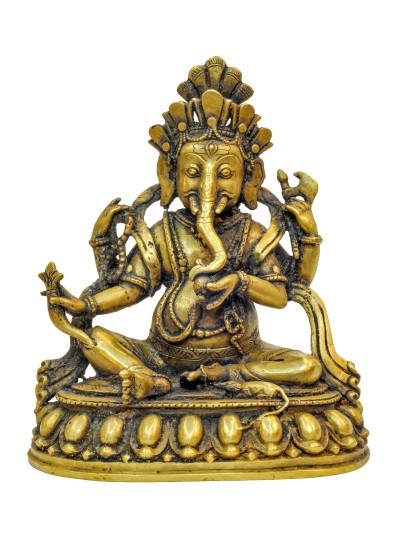
17cm Master Quality Buddhist Handmade Statue Of Ganesh
Weight : 1.09kg | [28103]
US$140
US$115
You Save
US$25
(20%)
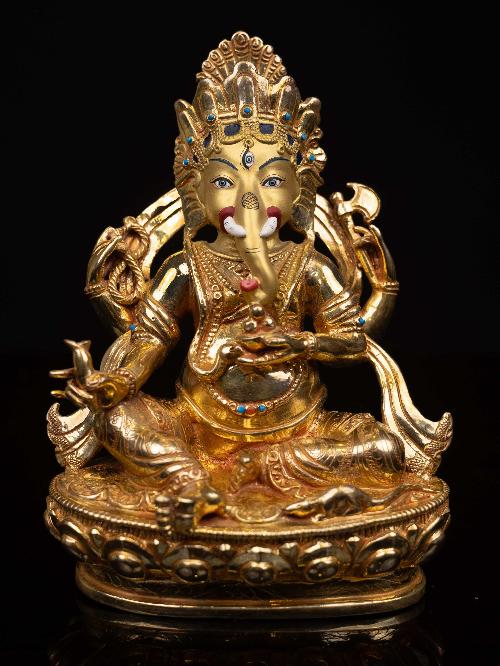
20cm Ganesh, Buddhist Handmade Statue, Full Gold Plated, Face Painted And High Quality
Weight : 1.95kg | [34697]
US$865
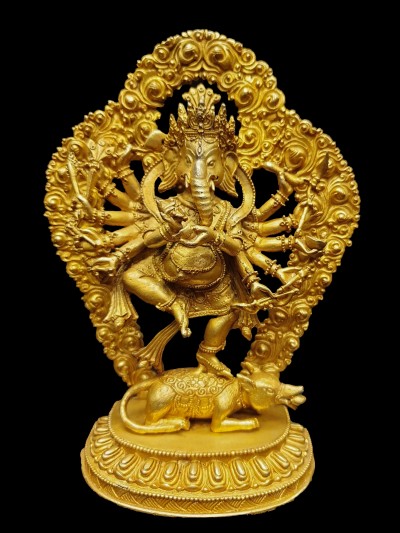
18cm Buddhist Miniature Statue Of Ganesh Red Jambhala, Ganesha, Full Gold Plated
Weight : 1kg | [24630]
US$300
US$240
You Save
US$60
(20%)
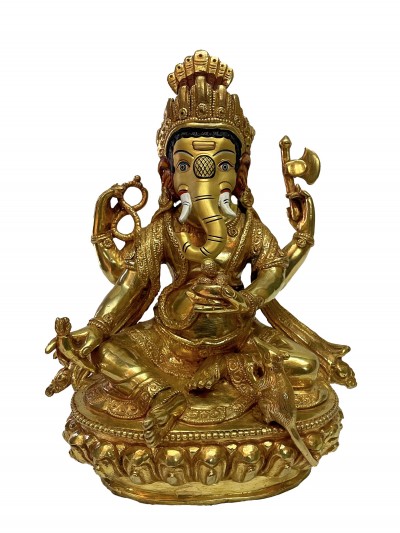
21cm Nepali Handmade Statue Of Ganesh, Full Fire Gold Plated, With Painted Face
Weight : 2.2kg | [22420]
US$440
US$355
You Save
US$85
(20%)
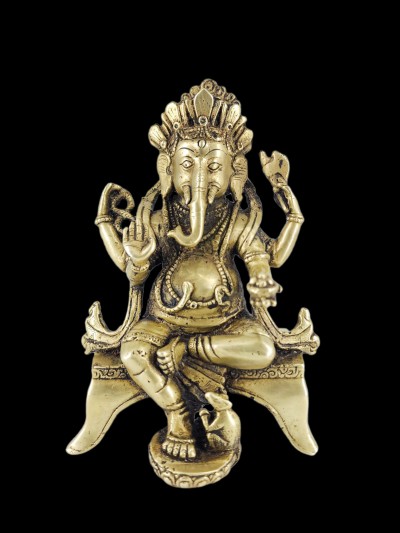
15cm Buddhist Handmade Statue Of Ganesh, Bronze Finishing
Weight : 0.73kg | [27530]
US$130
US$105
You Save
US$25
(20%)
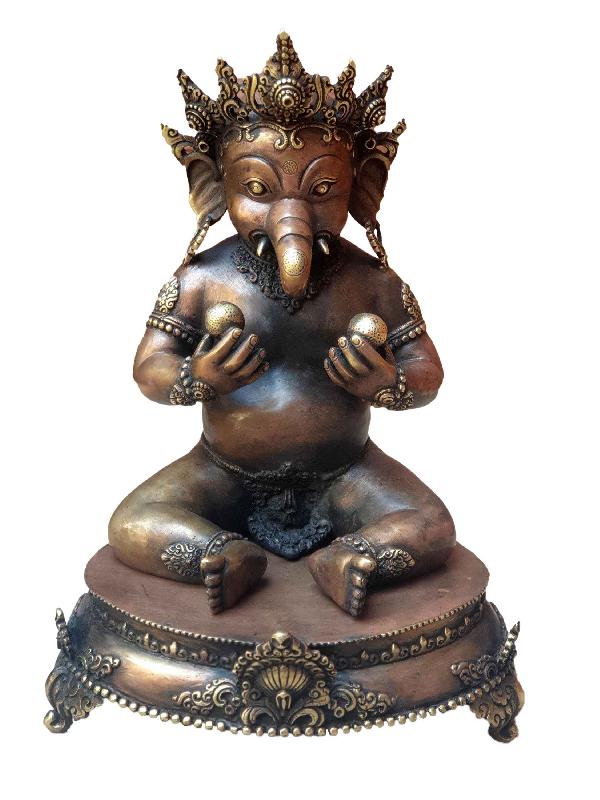
32cm Hq Brass Statue Of Baby Sitting Ganesh Holding Two Sweets, Antique Finishing
Weight : 3.36kg | [23932]
US$500
US$400
You Save
US$100
(20%)
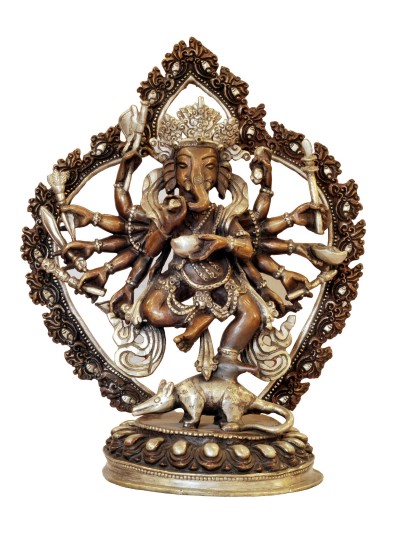
25cm Nepali Handmade Statue Of Ganesh, Red Jambhala, Silver Oxidized
Weight : 1.5kg | [28282]
US$500
US$400
You Save
US$100
(20%)
20cm Ganesh, Buddhist Statue, Chocolate Oxidized, With Carving
Weight : 1.66kg | [30502]
US$300
US$240
You Save
US$60
(20%)