![Exquisite And Rare Nepali Chenrezig Statue [antique Finishing] - Perfect For Gifting And Home Décor At An Affordable Price](https://www.handmadeexpo.com/pics/product/15250.jpg)

![Exquisite And Rare Nepali Chenrezig Statue [antique Finishing] - Perfect For Gifting And Home Décor At An Affordable Price](https://www.handmadeexpo.com/pics/product/thumb/15250.jpg)
![Exquisite And Rare Nepali Chenrezig Statue [antique Finishing] - Perfect For Gifting And Home Décor At An Affordable Price](https://www.handmadeexpo.com/pics/product/thumb/15250_0.jpg)
![Exquisite And Rare Nepali Chenrezig Statue [antique Finishing] - Perfect For Gifting And Home Décor At An Affordable Price](https://www.handmadeexpo.com/pics/product/thumb/15250_1.jpg)
![Exquisite And Rare Nepali Chenrezig Statue [antique Finishing] - Perfect For Gifting And Home Décor At An Affordable Price](https://www.handmadeexpo.com/pics/product/thumb/15250_2.jpg)
Exquisite and Rare Nepali Chenrezig Statue Antique Finishing - Perfect For Gifting and Home Décor At An Affordable Price
Chenrezig
In a world that often feels fractured, fast-paced, and overwhelming, the search for genuine peace and deep empathy is more relevant than ever. Within the rich tapestry of Himalayan spirituality, one figure stands out as the ultimate refuge for a heavy heart: Chenrezig, the Bodhisattva of infinite compassion.
Known as the patron deity of Tibet, Chenrezig represents the universal quality of loving-kindness that exists within all living beings. Whether you are a beginner exploring Eastern philosophy or a dedicated practitioner deepening your meditation, understanding this enlightened being offers a direct path to cultivating inner stillness and unconditional love.
Dark chocolate Oxidized
The Chenrezig features a stunning full dark chocolate color oxidation finish, exuding an air of elegance and sophistication. This exquisite oxidation process involves treating the surface of the Chenrezig to create a rich, deep brown color reminiscent of decadent chocolate. Through careful application and controlled oxidation, the statue achieves a uniform and lustrous dark chocolate hue. This captivating finish enhances the intricate details and textures of the Chenrezig, adding depth and dimension to its overall appearance. Read More . . .Lost-Wax System
This Avalokitesvara of Chenrezig is made by the process of the Lost Wax system. This is a very complicated, time consuming and historic process of making metal sculptures.Which is why it is sometimes called Precision Casting as well. Hence the sculptures made by this process are comparatively expensive. There are many new, advanced and less time consuming methods of casting metal sculptures available as well. But due to the benefits provided by the traditional lost wax system in quality control and customization, we prefer the Loss wax system over Ceramic molding, or sand casting to make our Avalokitesvara.Below we have tried to illustrate the process of making a loss wax system statue: Read More . . .
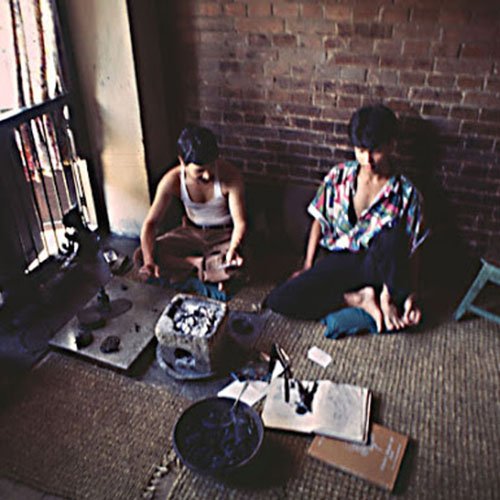
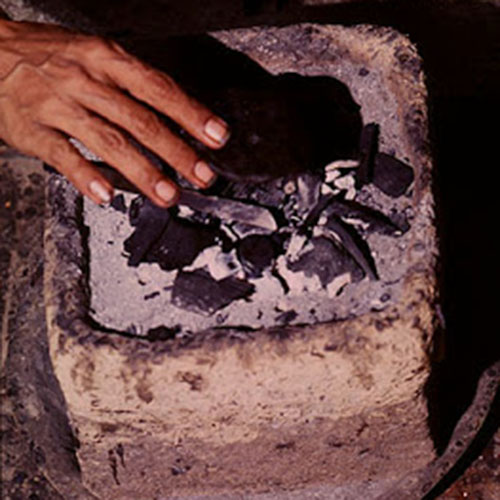

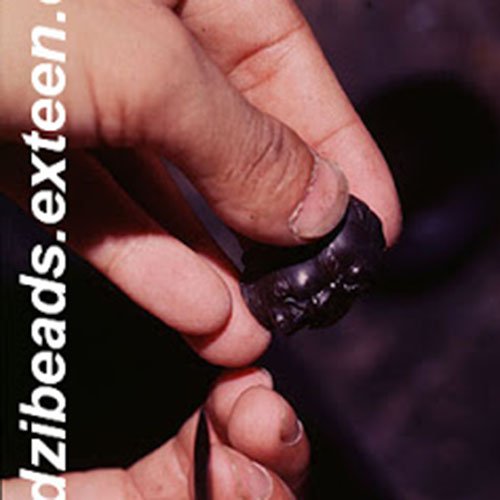


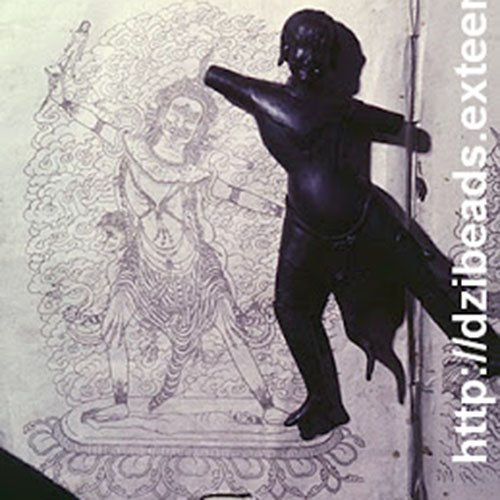


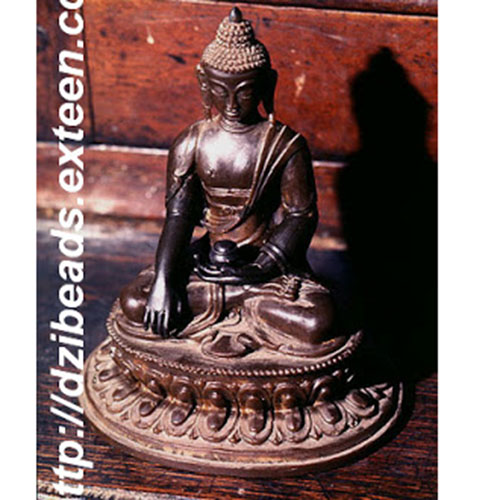

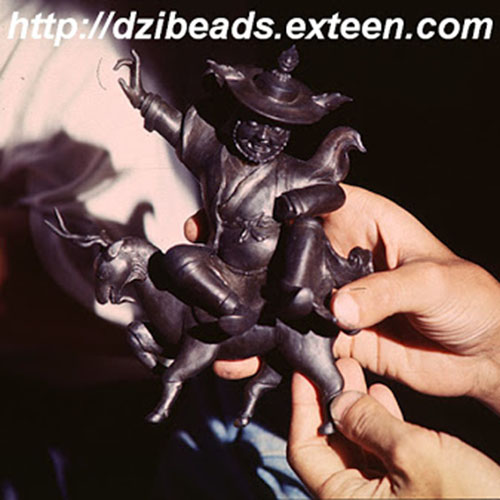
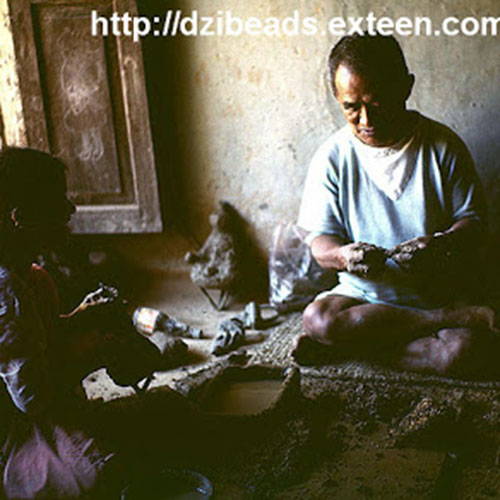
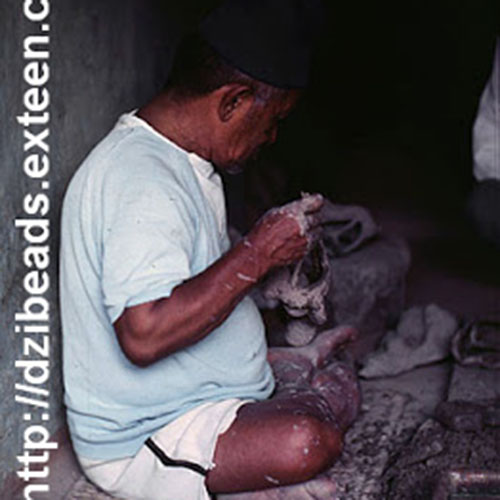

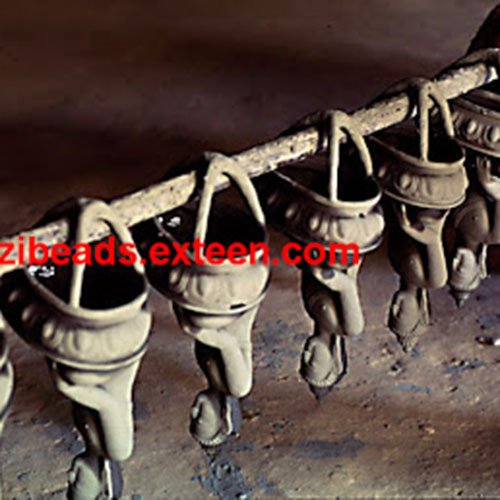
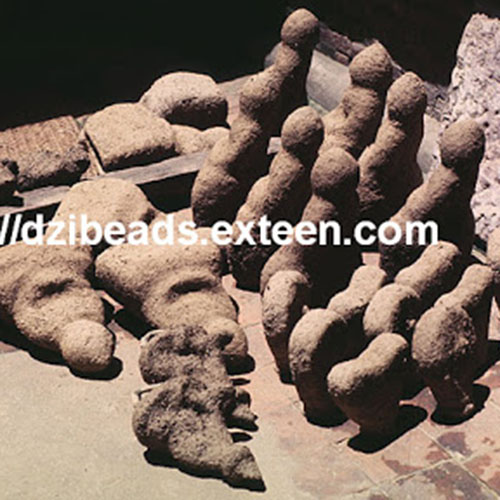
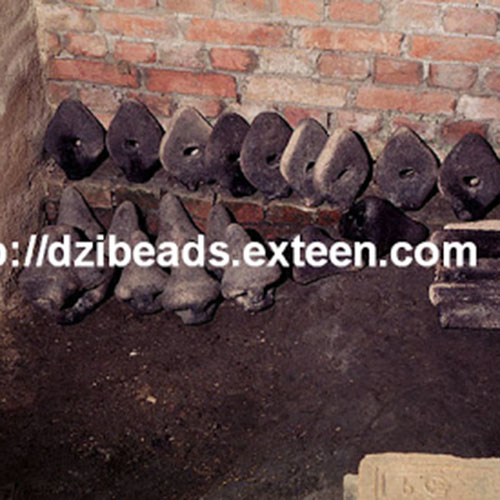
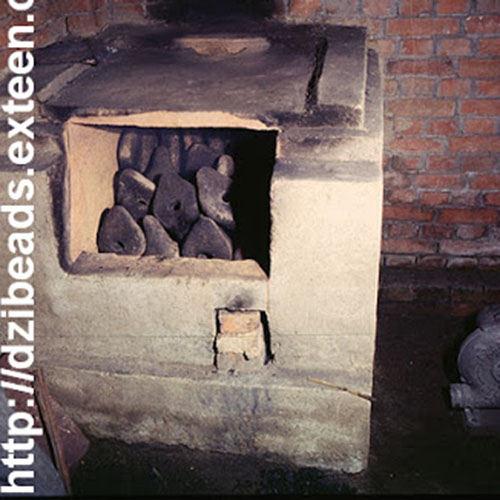
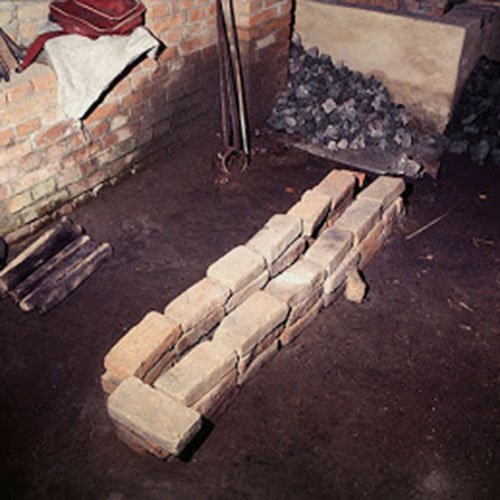
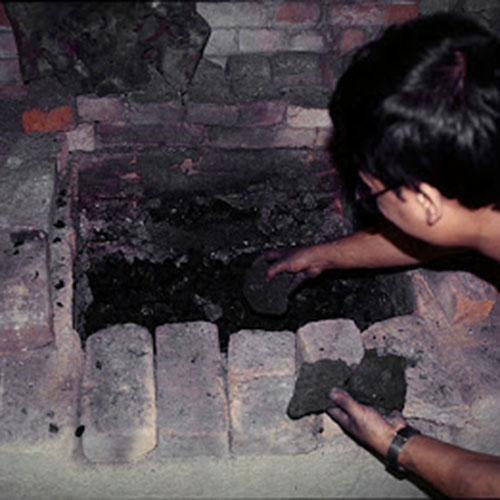

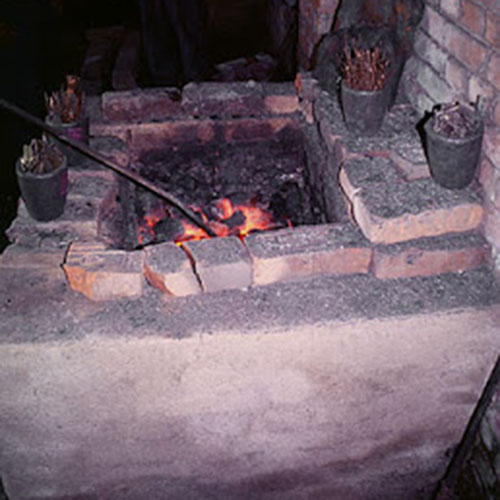
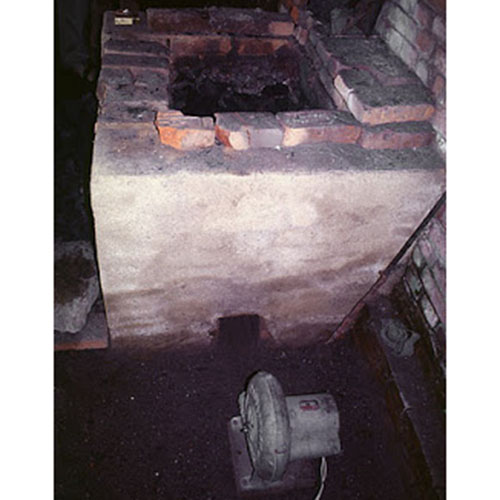
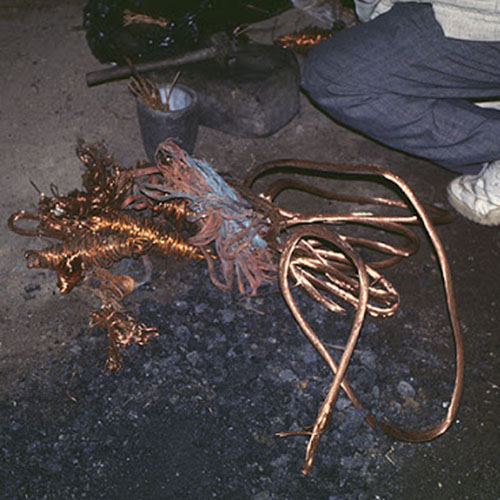
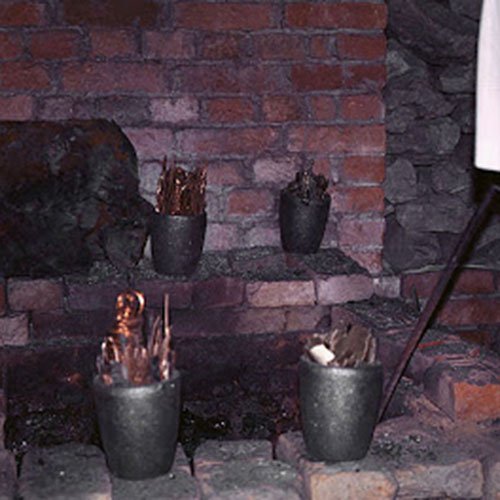
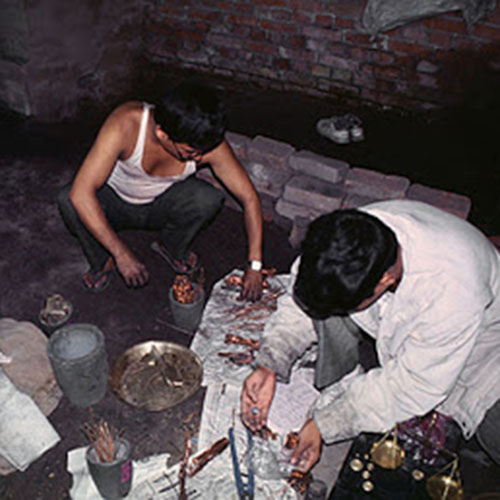


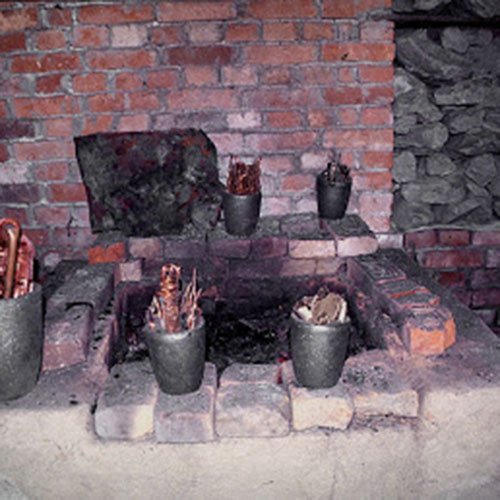
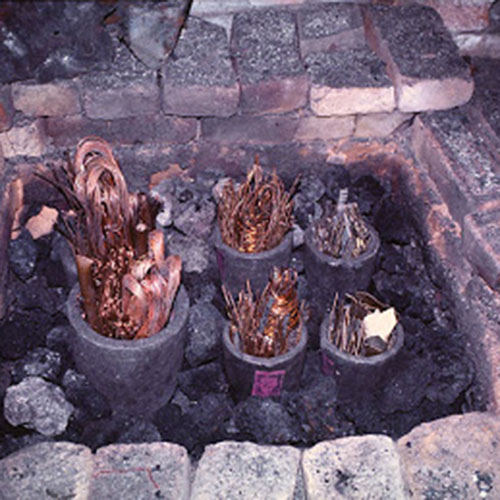
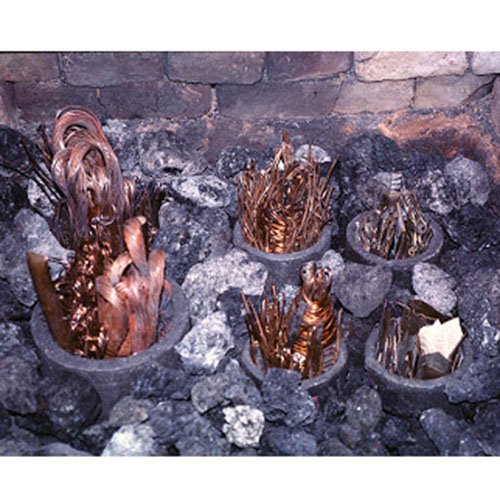

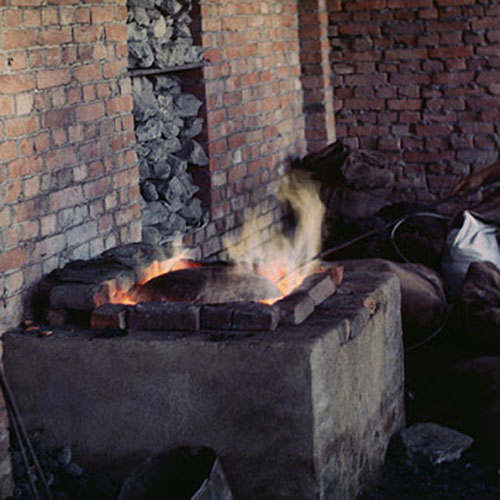

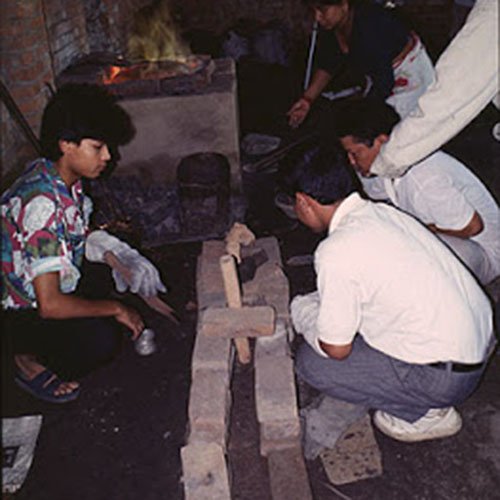
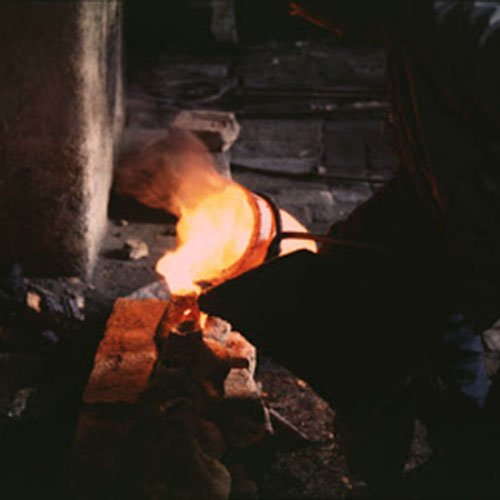


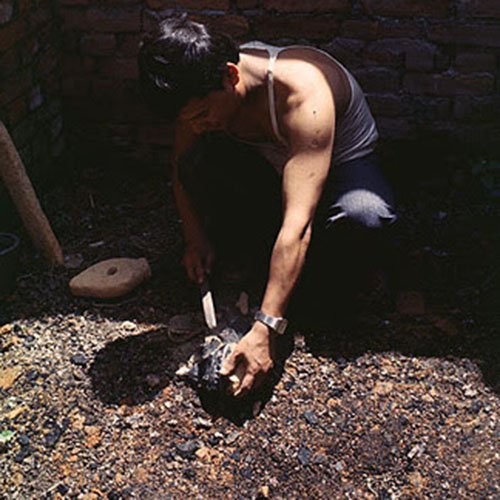

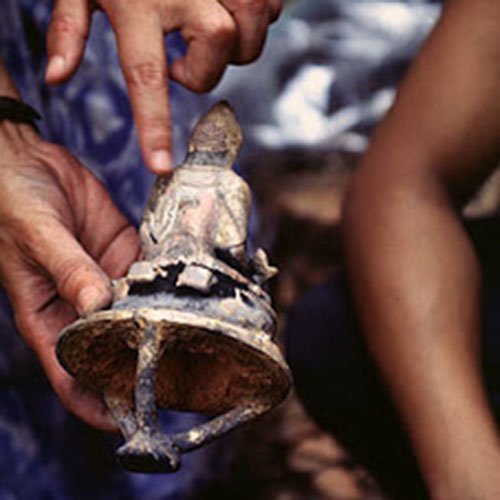

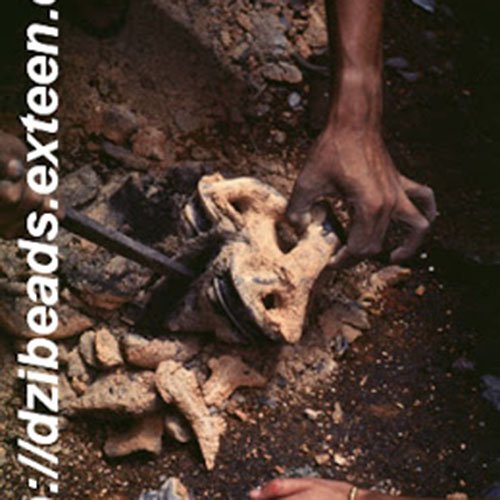





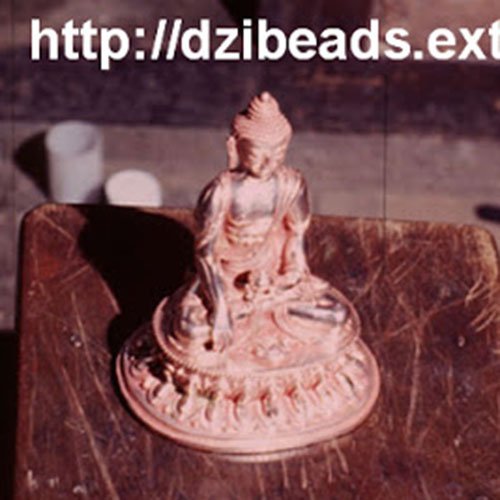
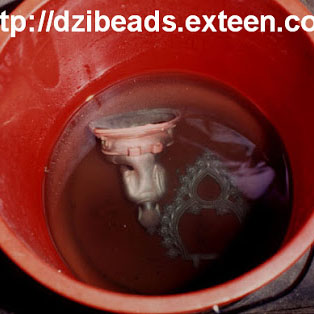
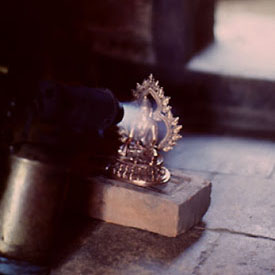
Who is Chenrezig? :
In the Mahayana and Vajrayana traditions of Buddhism, a Bodhisattva is an enlightened being who has postponed their own entry into ultimate Nirvana out of an overwhelming vow to save all other sentient beings from suffering. Chenrezig is not viewed merely as an external god to be worshiped, but rather as the pure, archetypal mirror of our own innate capacity for empathy.
According to traditional Tibetan commentary, Chenrezig looks down into the depths of Samsara (the endless cycle of birth, death, and rebirth) and perceives the distinct pains of every living creature. He hears the cries of the world and responds with swift, non-judgmental comfort. For Tibetans, his presence is intimate and omnipresent; he is the spiritual guardian of their snow-covered land, guiding humanity toward collective awakening.
The Meaning and Origin of Chenrezig
To fully appreciate this deity, it helps to explore how his identity bridges ancient India and the high-altitude plateaus of Tibet.
Is Chenrezig the same as Avalokiteshvara?
Yes. Chenrezig is the literal Tibetan translation of the original Sanskrit name Avalokiteshvara.
In Sanskrit, Avalokiteshvara translates roughly to "The Lord Who Looks Down in Pity" or "The Ruler Who Hears the Cries of the World."
When Buddhism traveled across the Himalayas from India to Tibet starting in the 7th century, Tibetan translators chose terms that captured the deep meditative experience of the deity.
Etymology of the Name "Chenrezig"
The Tibetan name Chenrezig (pronounced chen-ray-zig) carries a beautifully poetic and literal meaning when broken down into its three distinct syllables:
Chen: Means "eye."
Re: Means "corner" or "continuously."
Zig: Means "to look" or "to see."
When put together, Chenrezig means "He who looks with unwavering, continuous eyes upon all beings." It describes someone who never turns their gaze away from those who are hurting, viewing every single creature through the eyes of a loving parent.
Chenrezig in Tibetan Buddhism
It is impossible to overstate the cultural and spiritual importance of Chenrezig in Tibet. He is deeply woven into the origin myths, the historical lineage, and the daily life of the region.
The Spiritual Guardian of Tibet
Tibetan history attributes the very survival and spiritual awakening of its people to Chenrezig. Traditional texts recount that the early inhabitants of Tibet were descendants of an ancient monkey (an emanation of Chenrezig) and a rock ogress (an emanation of the goddess Tara). This union birthed a people naturally predisposed to spiritual discipline and deep empathy.
The Lineage of the Dalai Lamas
In Vajrayana (Tibetan) Buddhism, great spiritual masters are often recognized as living emanations of enlightened energies. The most prominent example of this is the lineage of the Dalai Lamas.
Tibetans firmly believe that the Dalai Lama is the earthly manifestation of Chenrezig. When the current 14th Dalai Lama travels the globe teaching peace, forgiveness, and warm-heartedness, practitioners see Chenrezig himself actively working to alleviate human distress on a global scale. Other high lamas, such as the Karmapa, are also revered as expressions of this same fountain of cosmic compassion.
Iconography of Chenrezig and Its Symbolism :
Tibetan sacred art, known as Thangka painting, is not decorative. It is a highly precise visual language designed for meditation. Every color, posture, implement, and piece of jewelry on Chenrezig corresponds to an internal psychological state or a spiritual realization.
When you look at an image of Chenrezig, you are looking at a blueprint of your own enlightened mind. Letâs break down the rich symbolism of his classic form:
White Body Color: Chenrezig is depicted with a brilliant, luminous white body, comparable to a snow-capped mountain lit by a full moon. This pristine white symbolizes absolute purity. It signifies that while he is deeply immersed in the muddy, chaotic suffering of the world, he remains completely unstained by negative emotions like anger, greed, or ignorance.
Lotus Seat and Moon Disc: He sits cross-legged in the full vajra posture upon a blooming lotus flower, which rests on a flat, cooling moon disc. The lotus represents renunciationârising beautifully out of the mud of worldly existence without being soiled by it. The moon disc represents the cooling, soothing nature of wisdom that pacifies the scorching heat of delusions and destructive habits.
The Deer Skin Draped Over the Shoulder: A gentle, golden-brown skin of an Ineya deer is draped elegantly over his left shoulder. In ancient India, this specific deer was known for its legendary gentleness and its inability to cause harm, even when threatened. Draping it over his heart signifies that Chenrezig has completely renounced all forms of aggression and cruelty, adopting a posture of absolute harmlessness (ahimsa).
The Four-Armed Chenrezig Explained
While Chenrezig can manifest in many different formsâincluding a majestic 1,000-armed version with an eye in every palmâhis most universally recognized form features four arms. These four arms primarily symbolize the Four Immeasurables, which are the cornerstones of Buddhist heart-training:
Loving-Kindness (Metta): The wish for all beings to have happiness and the causes of happiness.
Compassion (Karuna): The wish for all beings to be free from suffering and the causes of suffering.
Sympathetic Joy (Mudita): Rejoicing in the virtues, happiness, and good fortune of others.
Equanimity (Upekkha): Viewing all beings as equal, free from attachment to friends and aversion to strangers.
The physical items held in these four hands further clarify his cosmic mission:
[ CHENREZIG'S FOUR ARMS ]
â
âââââââââââââââââââââââ´ââââââââââââââââââââââ
â¼ â¼
[ TWO INNER HANDS ] [ TWO OUTER HANDS ]
Held at the heart Left Hand: Holds a Lotus Flower
Holding the Wish-Fulfilling Jewel Right Hand: Holds a Crystal Mala
The Wish-Fulfilling Jewel (Two Inner Hands)
Chenrezig's two primary hands are pressed together at his heart, cradling a glowing, multi-faceted, wish-fulfilling jewel (mani). This jewel represents Bodhicittaâthe altruistic mind that seeks enlightenment solely to liberate others. Held at the heart, it reminds us that true riches are not material wealth, but rather the internal wealth of love, wisdom, and altruistic intent.
The Crystal Mala (Outer Right Hand)
His outer right hand holds a string of translucent crystal prayer beads (mala). He moves these beads continuously, symbolizing that he is counting and liberating beings one by one without a single pause. The clear crystal signifies that his thoughts of compassion are completely transparent, untainted by selfish agendas or hidden motivations.
The Lotus Flower (Outer Left Hand)
His outer left hand holds the stem of a pristine, fully opened lotus flower (utpala) near his ear. The lotus reminds practitioners that every living being possesses the "Buddha-nature"âthe seed of pure enlightenmentâwaiting to bloom out of the mud of difficult life experiences. By holding it near his ear, he demonstrates that he listens intently to the spiritual potential of everyone who calls upon him.
The Meaning of the Mantra: "Om Mani Padme Hum"
The practice of Chenrezig is inextricably linked with Om Mani Padme Hum (pronounced by Tibetans as Om Mani Peme Hung). It is arguably the most famous mantra in the world, carved onto Himalayan cliffs, stamped onto prayer flags, and spun inside metallic prayer wheels.
This six-syllable phrase holds layers of esoteric meaning. At its most accessible level, it translates to "The Jewel is in the Lotus." The Dalai Lama frequently explains that the six syllables together have the power to transform a practitioner's impure body, speech, and mind into the pure, exalted body, speech, and mind of a Buddha.
| Syllable | Purifies This Negative Emotion | Cultivates This Enlightened Virtue |
| Om | Pride / Ego | Generosity (Dana) |
| Ma | Jealousy / Envy | Ethics / Patience |
| Ni | Passion / Selfish Desire | Endurance / Diligence |
| Pad | Ignorance / Prejudice | Wisdom (Prajna) |
| Me | Greed / Possessiveness | Renunciation |
| Hum | Hatred / Aggression | Absolute Compassion |
By chanting this simple phrase with mindful awareness, you are actively clearing away the emotional blockages that prevent your heart's natural warmth from shining through.
Benefits of Chenrezig Practice and Meditation :
Engaging regularly with Chenrezigâs energy yields profound psychological and spiritual transformations. Traditional masters emphasize several key benefits:
De-escalating Anger and Anxiety:
Because Chenrezig is the antithesis of aggression, meditating on his form instantly cools anger and calms the nervous system. It replaces a "fight-or-flight" survival mindset with a feeling of spacious safety.
Developing Natural Empathy:
Practitioners find that their relationships improve organically. It becomes easier to forgive family members, understand difficult coworkers, and listen to others without rushing to judge them.
Karmic Purification:
Chanting the six-syllable mantra is said to wear down the heavy, negative habit-patterns (karma) accumulated over lifetimes, clearing the path for good fortune and mental clarity.
Protection from Fear:
Connecting to this archetype acts as a psychological shield against deep-seated fears, providing comfort during times of loss, illness, or major life transitions.You do not need a complex temple setup or decades of training to begin connecting with Chenrezig. Vajrayana Buddhism includes advanced practices requiring formal empowerments, but a simple, heart-centered approach can be practiced safely and effectively at home by anyone.
- Find Your Sacred Space: Setting Up.Choose a quiet, clutter-free corner of your home. Sit comfortably on a cushion or a sturdy chair with your spine straight but relaxed. Rest your hands gently on your lap. Close your eyes halfway to let in a soft sliver of natural light.
- Establish Your Motivation: Aligning the Heart.Spend 2 minutes breathing naturally. Instead of meditating just to relieve your own stress, consciously expand your focus. Think: "I am doing this practice so that I can become more loving and helpful to my family, my friends, and all living creatures."
- Visualize Chenrezig: Mental Imagery.Imagine Chenrezig sitting in the open space about two feet in front of you, at the level of your forehead. See him made entirely of brilliant, translucent white light. Feel his eyes looking at you with complete acceptance, warmth, and absolute safety.
- Receive the Light: Absorption.Imagine that from Chenrezig's heart, a stream of soothing, milk-white nectar and light flows out. It enters the crown of your head, filling your body. Visualize this light washing away all your stress, anxiety, guilt, and emotional blockages. Your body becomes as clear and light as crystal.
- Chant the Mantra: Sound Resonance.While maintaining this visual, begin chanting quietly or silently in your mind: Om Mani Padme Hum. Repeat it continuously for 5 to 10 minutes. Let the sound vibrate in your chest.
- Dedicate the Merit: Closing the Session.To close, dissolve the visualization into a spacious silence. Sit quietly for 1 minute. Consciously dedicate the peaceful energy of your practice to the world: "May all beings be happy, may all beings be free from suffering.
Chenrezig in Nepal and Tibet
The geography of the Himalayas is saturated with the presence of Chenrezig. From the high plateaus of Lhasa to the bustling, historic valleys of Kathmandu, his image is an foundational part of daily life.
Sacred Sites in Tibet
In Lhasa, the capital of Tibet, sits the world-famous Potala Palace. This architectural marvel was named after Mount Potalaka, the mythical, resonant mountain paradise where Chenrezig is said to dwell. For centuries, the Potala served as the winter residence of the Dalai Lamas, marking it as the physical and spiritual epicenter of compassion on Earth.
Devotion in Nepal
In nearby Nepal, the fusion of Newari, Tibetan, and Indian Buddhist cultures creates a unique ecosystem of devotion.
The massive stupas of Boudhanath and Swayambhunath in Kathmandu are circumambulated daily by thousands of pilgrims spinning prayer wheels embossed with Om Mani Padme Hum.
The Newar Buddhists of the Kathmandu Valley worship a beautiful, distinct variant known as Seto Machindranath (White Avalokiteshvara), holding vibrant annual chariot festivals that draw tens of thousands of devotees, beautifully uniting Buddhist and Hindu communities in shared reverence for universal compassion.
Everything You Need to Know About Chenrezig :
Who is Chenrezig?
Chenrezig is the Tibetan Buddhist Bodhisattva of infinite compassion. He is viewed as the embodiment of the universal love and empathy inherent within all living beings and serves as the traditional patron guardian of Tibet.
Is Chenrezig the same as Avalokiteshvara?
Yes, they are identical. Avalokiteshvara is the original Sanskrit name used in ancient India. Chenrezig is the precise translation used in the Tibetan language, meaning "He who looks with continuous, unwavering eyes."
What does Om Mani Padme Hum mean?
While it literally translates to "The Jewel is in the Lotus," the mantra symbolizes the path to transformation. It teaches that by practicing wisdom (the lotus) and altruistic love (the jewel), an individual can transform their ordinary, stressed mind into the fully awakened mind of a Buddha.
What are the benefits of chanting Chenrezig's mantra?
Chanting his mantra calms the nervous system, dissolves feelings of anger and anxiety, develops deep empathy for others, purifies past negative karma, and creates a profound sense of inner peace and security.
How can beginners practice Chenrezig meditation?
Beginners can sit quietly, generate a kind motivation to help others, visualize a radiant white figure of Chenrezig radiating soothing light, and chant Om Mani Padme Hum for a few minutes daily, ending with a wish for global peace.
Mantra of Avalokitesvara
You may also want to read the related articles :
Gold Plating in Statues | Making Process Of Metal Statues | Videos of statue Making Process | Service of Filling and blessing in Statue | Altering Finishing in StatueAt Handmade Statue, we aim to provide a seamless and user-friendly experience. While our website is not a direct online shopping platform, we have a shopping cart system to make submitting your inquiries easy. Follow these steps to place your order:
Step 1: Browse Our Products
Explore our website to discover a wide range of authentic Nepali handicrafts, including statues, thangkas, singing bowls, wood carvings, jewelry, and more. Click on any product to view detailed descriptions and images.
Step 2: Add Items to Your Inquiry Cart
Click the “Add to Inquiry Cart” button for each product you are interested in. This will help you organize your selections conveniently.
Step 3: Review Your Inquiry Cart
Once you’ve added all your items, review your cart to ensure accuracy before submitting your inquiry.
Step 4: Submit Your Inquiry
Click the “Submit Inquiry” button. Fill out the form with your contact details, selected products, and any specific questions or customization requests.
Step 5: Communicate via Email
Since we don’t have an automated payment system, our team will respond to your inquiry via email. We’ll provide guidance, answer questions, and assist with customization requests.
Step 6: Finalize Your Order
Confirm all product details and customization options with our team. Once everything is finalized, we will provide secure payment instructions.
Step 7: Complete Your Payment
Make the payment through the provided method. After confirmation, we will process and prepare your order for shipment.
Step 8: Shipping and Delivery
We offer worldwide shipping. Once your order is dispatched, we will provide tracking details and shipping information.
Step 9: Receive and Enjoy Your Handicrafts
Unpack your beautiful handmade Nepali products and enjoy the craftsmanship and cultural heritage of Nepal.
Need Assistance?
If you face any issues or have questions while placing your order, contact us via email or mobile communication apps. Our team is dedicated to providing prompt support and a smooth ordering experience.
We hope this straightforward ordering process ensures a delightful and satisfying experience with Handmade Statue. Thank you for choosing us to connect you with the rich heritage of Nepali handicrafts.
Return Policy
We have a 7 days money back policy but buyer have to pay the return shipping charges.
Shipping
- Shipping cost is calculated, based on the shipping weight of the products ordered. THe normal Shipping cost is US$25 for upto 0.5 kgs weight
- We ship Worldwide, Except Russia and India.
- The deliver duration varies for international Shipping location. We normally dispatch the product in 2 -3 business days. Else Buyer will be infromed Personally about the shipping.
Related Products
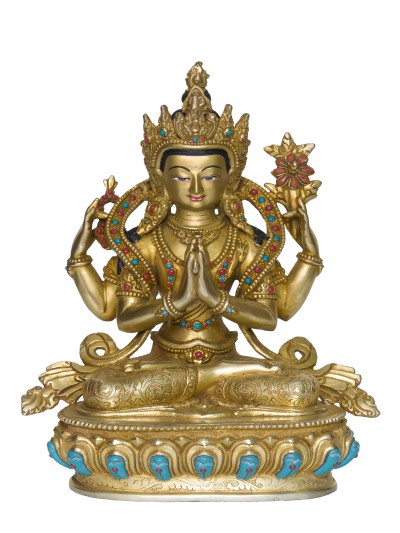
22cm Buddhist Handmade Statue Of Chenrezig Full Fire Gold Plated, Face Painted, Stone Setting
Weight : 1.6kg | [26772]
US$1095
US$875
You Save
US$220
(20%)
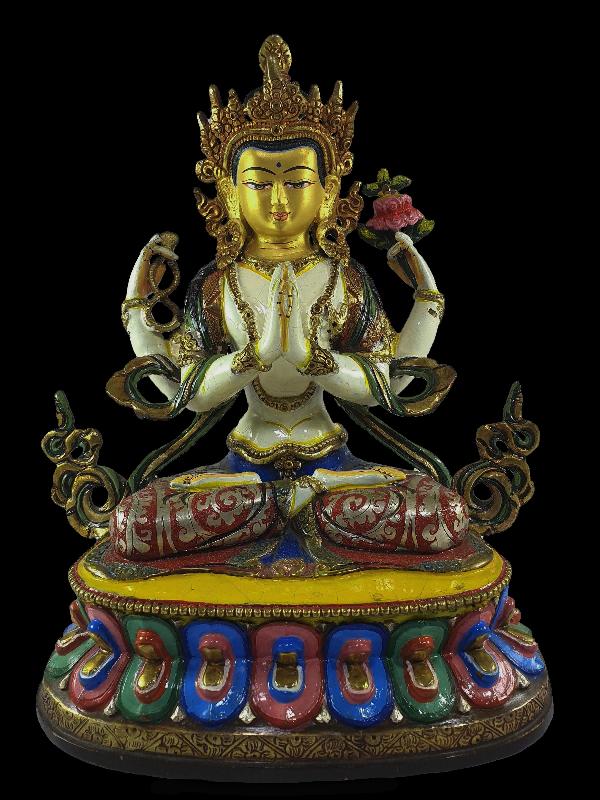
23cm Buddhist Statue Of Chenrezig, Traditional Color Finishing
Weight : 1.91kg | [23559]
US$360
US$290
You Save
US$70
(20%)
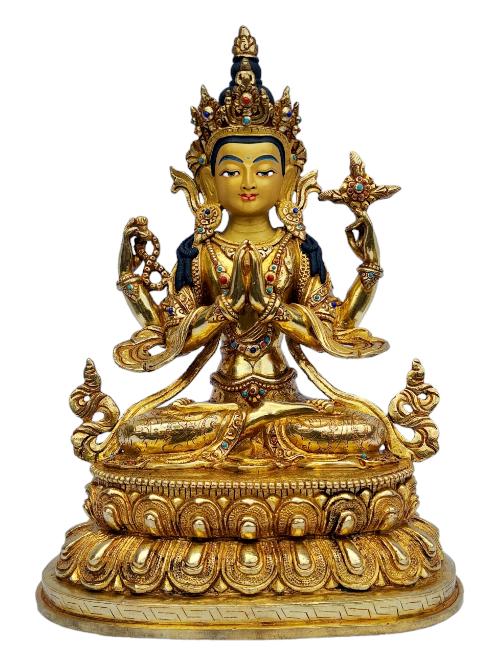
27cm Chenrezig, Buddhist Handmade Statue, Full Gold Plated, Painted Face
Weight : 1.98kg | [32986]
US$800
US$640
You Save
US$160
(20%)
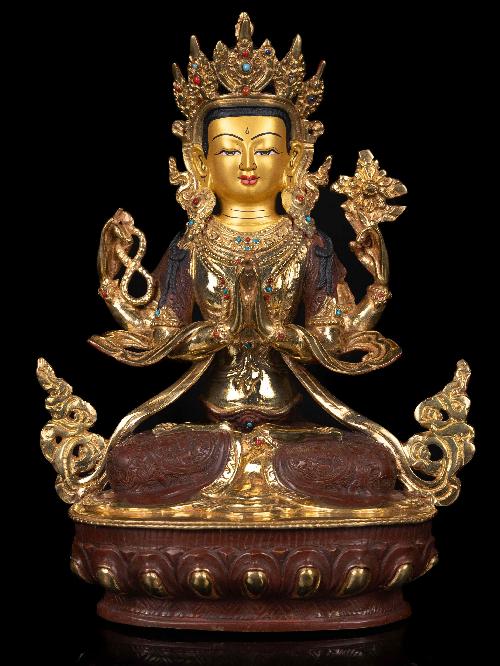
32cm Chenrezig, Buddhist Handmade Statue, Partly Gold Plated, Face Painted
Weight : 2.78kg | [36015]
US$750
US$640
You Save
US$110
(15%)
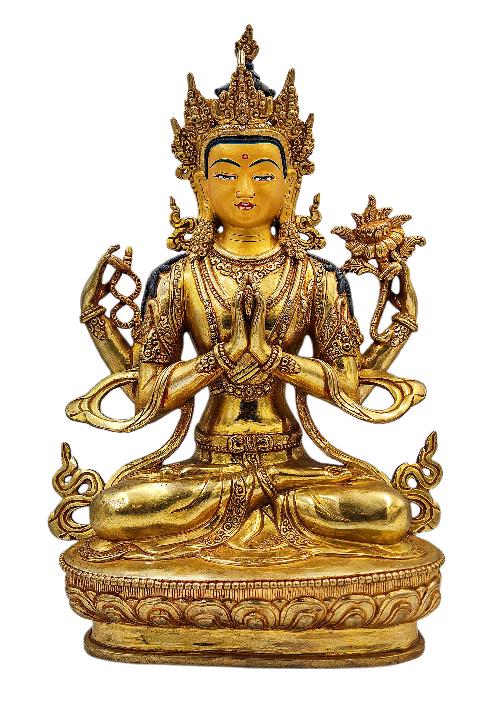
32cm Chenrezig, Buddhist Handmade Statue, Full Gold Plated, Face Paint
Weight : 2.84kg | [34952]
US$1430
US$1220
You Save
US$210
(15%)
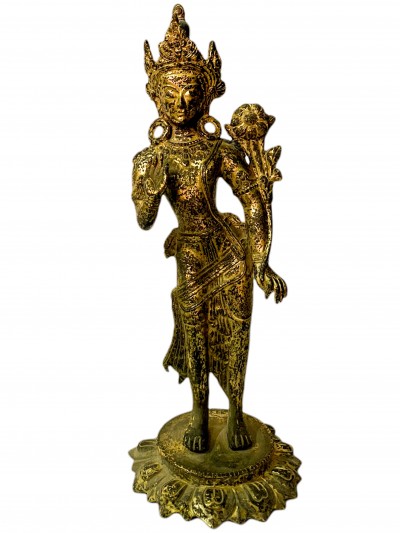
25cm Buddhist Statue Of Standing Lokeshvara, Gold Plated, Antique, Rare Find
Weight : 1.4kg | [24469]
US$400
US$320
You Save
US$80
(20%)
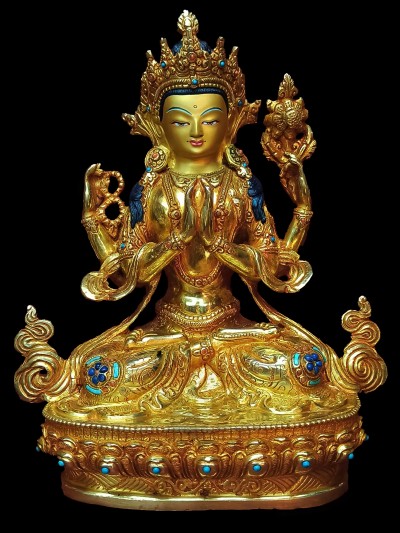
24cm Buddhist Statue Of Chenrezig, Full Gold Plated, Stone Setting, Face Painted
Weight : 1.5kg | [24793]
US$800
US$640
You Save
US$160
(20%)
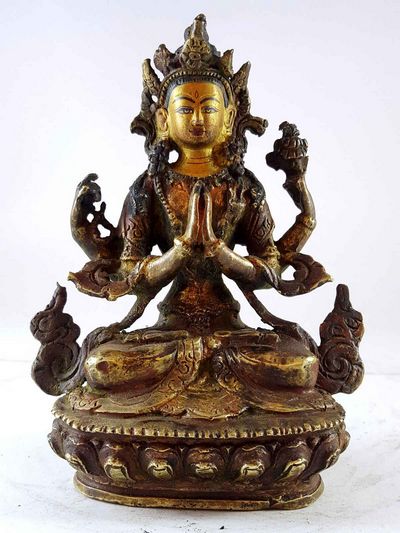
14cm Handmade Statue Of Chenrezig Partly Gold Plated, Painted Face, Antique Finishing
Weight : 1kg | [14926]
US$40
US$35
You Save
US$5
(20%)