![Copper Statue Of Guru Set [marpa Lotsawa], [gampopa], [milarepa], [gold And Silver Plated], [painted Face], [double Color Oxidation]](https://www.handmadeexpo.com/pics/product/14699.jpg)

![Copper Statue Of Guru Set [marpa Lotsawa], [gampopa], [milarepa], [gold And Silver Plated], [painted Face], [double Color Oxidation]](https://www.handmadeexpo.com/pics/product/thumb/14699.jpg)
Copper Statue of Guru Set Marpa Lotsawa, Gampopa, Milarepa, Gold and Silver Plated, Painted Face, Double Color Oxidation
Marpa Chokyi Lodro
Marpa Lotsawa (1012â1097) stands as a towering figure in Tibetan Buddhist history. Known as "Marpa the Translator," he is the founding father of the Kagyu traditionâone of the four major schools of Tibetan Buddhism. Unlike the stereotypical monastic figures often associated with Buddhism, Marpa was a married householder, a farmer, and a fiercely determined spiritual seeker.Â
His legacy goes far beyond translating ancient texts. He risked his life repeatedly to cross the Himalayas, ensuring that the profound Vajrayana teachings of India survived and flourished in Tibet. Today, his life continues to inspire modern practitioners, and a handmade Marpa statue serves as a powerful symbol of dedication, lineage, and the uncompromising pursuit of enlightenment.
Milarepa
: Brief Introduction Milarepa is one of the most widely known Tibetan Saints. In a superhuman effort, he rose above the miseries of his younger life and with the help of his Guru, Marpa the Translator, took to a solitary life of meditation until he had achieved the pinnacle of the enlightened state, never to be born again into the Samsara (whirlpool of life and death) of worldly existence. Out of compassion for humanity, he undertook the most rigid asceticism to reach the Buddhic state of enlightenment and to pass his accomplishments on to the rest of humanity. His spiritual lineage was passed along to his chief disciples, Gambopa and Rechung. It was Rechung who recorded in detail the incidents of Milarepa's life for posterity. The narrative of his life has thus been passed down through almost a millennium of time and has become an integral part of Tibetan culture. In addition to Rechung's narrative of his life, summarized below, Milarepa extemporaneously composed innumerable songs throughout his life relevant to the dramatic turns of events of himself and his disciples in accordance with an art form that was in practice at the time. These songs have been widely sung and studied in Tibet ever since and have been recorded as the Hundred Thousand Songs of Milarepa. His faithful devotion, boundless religious zeal, monumental forbearance, superhuman perseverance, and ultimate final attainment are a great inspiration today for all. His auspicious life illumined the Buddhist faith and brought the light of wisdom to sentient beings everywhere. Read More . . .Gampopa
: Brief Introduction Gampopa "the man from Gampo" (Tibetan: སྒམ་པོ་པ་) S?nam Rinchen (Tibetan: བསོད་ནམས་རིན་ཆེན་, Wylie: bsod nams rin chen, 1079-1153) was a Tibetan Buddhist teacher in the Kagyu lineage, as well as a doctor and tantric master who founded the Dhagpo Kagyu school. He is also known as Dvag Popa, and the titles Dakpo Lharj? "the physician from Dakpo" (Tibetan: དྭགས་པོ་ལྷ་རྗེ་, Wylie: dwags po lha rje) and Da? Zh?nnu, "Chandraprabha Kumar" (Tibetan: ཟླ་འོད་ཞོན་ནུ་, Wylie: zla 'od gzhon nu). Read More . . .Gold Painted Face
The face of Marpa Lotsawa is painted with gold to enhance its significant features, particularly the eyes, and lips. This detailed painting is essential as it brings forth the crucial attributes of the expression of eyes and lips that metal carving alone cannot capture.Moreover, the painted face serves as a symbolic and sacred ritual in Buddhism, preparing the statue for consecration and practice. The act of painting the face with gold in Buddhism holds deep meaning. It represents the intention to bring life and expression to the statue, imbuing it with a sense of vitality and presence. The application of gold on the face showcases the devotion and craftsmanship of the artisans, ensuring that every detail is carefully attended to honor the sacred essence of the Marpa Lotsawa. Read More . . .
Silver and Chocolate Oxidized
The Marpa Lotsawa features a captivating combination of partly silver plating and dark oxidation. This unique finishing technique combines the lustrous shine of silver with the rich, deep tones achieved through oxidation. In the process of creating this finish, selected areas of the Marpa Lotsawa are expertly silver-plated, creating a radiant and reflective surface that catches the light. The remaining areas are intentionally oxidized, resulting in a darkened patina that adds depth and character to the piece. Read More . . .Lost-Wax System
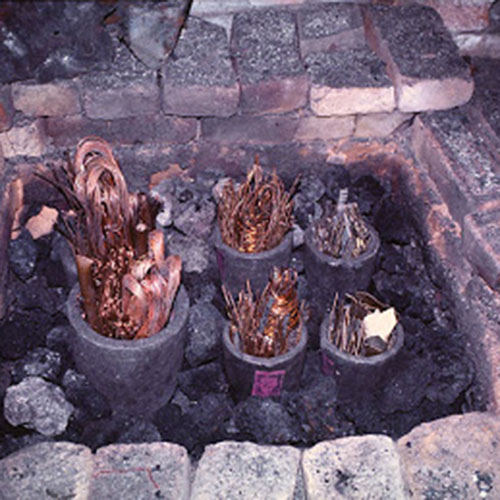
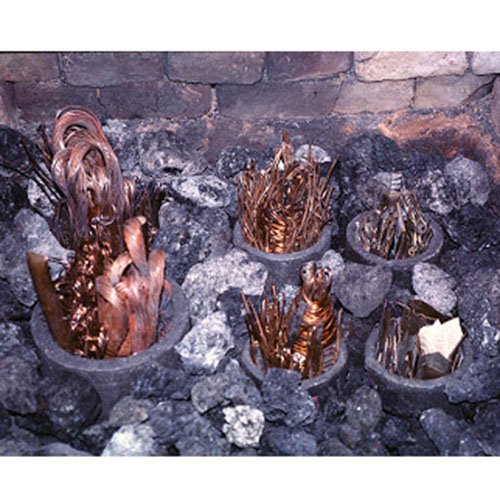
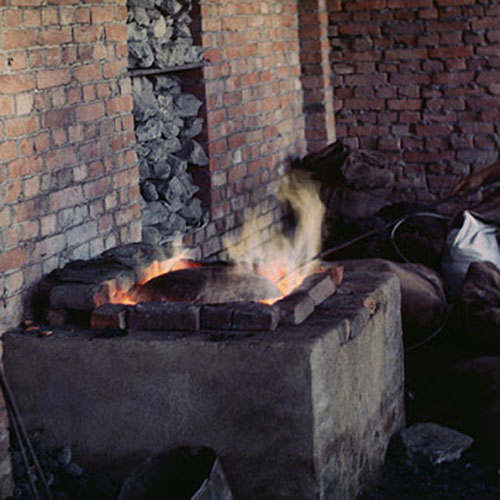
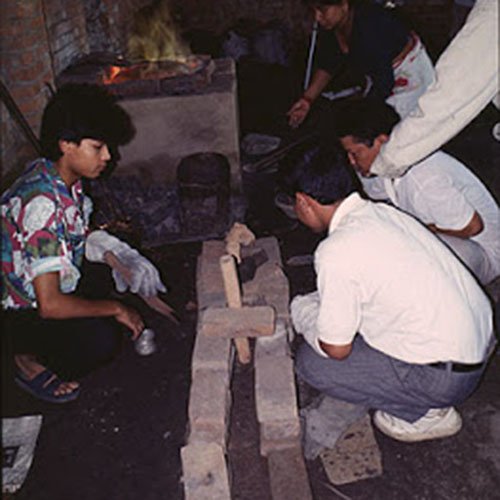
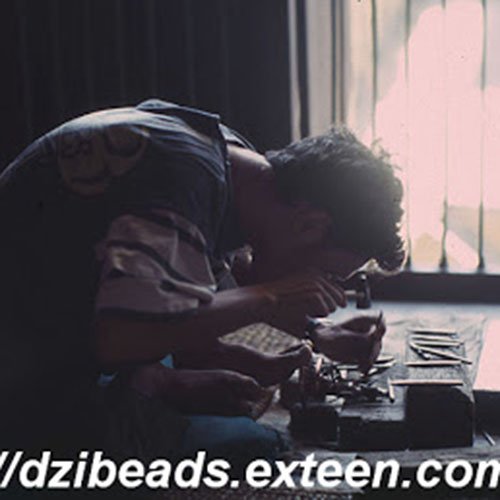
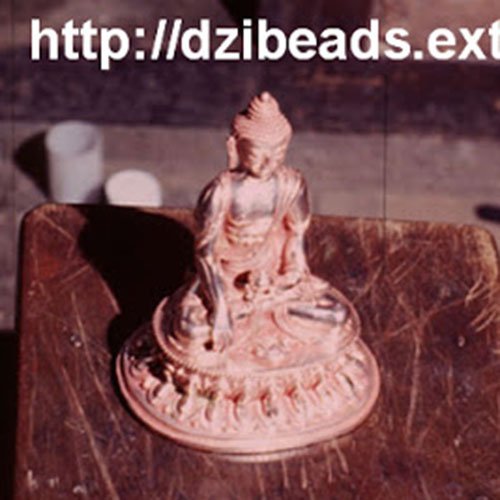
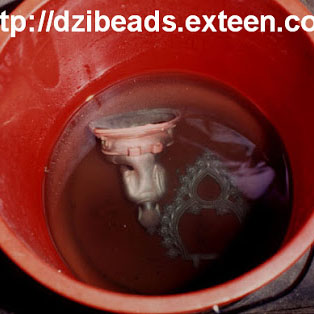
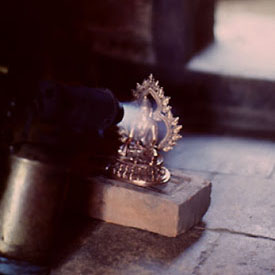
This Tibetan Masters Guru of Marpa Lotsawa is made by the process of the Lost Wax system. This is a very complicated, time consuming and historic process of making metal sculptures.Which is why it is sometimes called Precision Casting as well. Hence the sculptures made by this process are comparatively expensive. There are many new, advanced and less time consuming methods of casting metal sculptures available as well. But due to the benefits provided by the traditional lost wax system in quality control and customization, we prefer the Loss wax system over Ceramic molding, or sand casting to make our Tibetan Masters Guru.Below we have tried to illustrate the process of making a loss wax system statue: Read More . . .
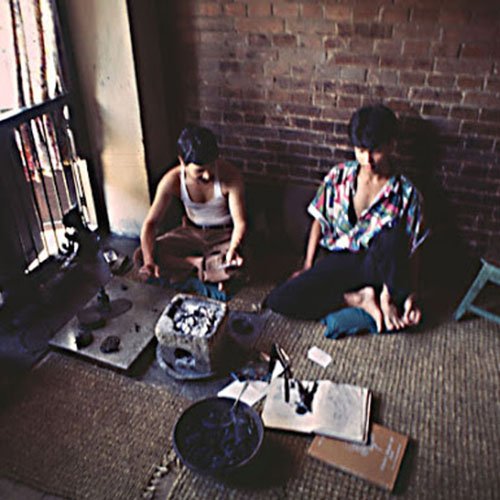
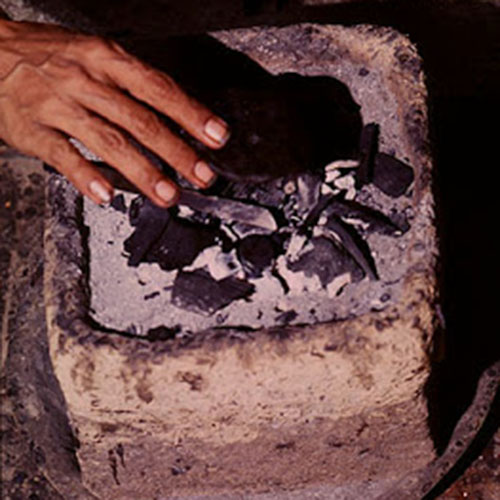

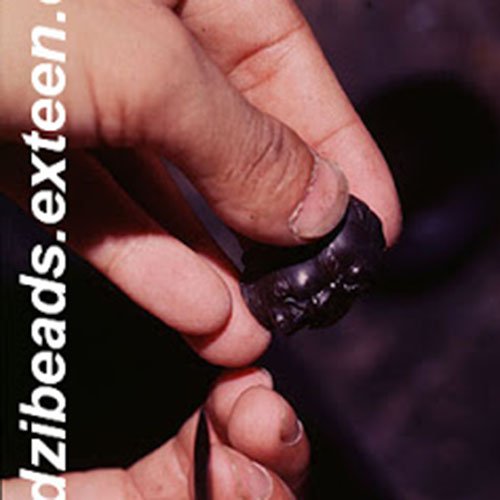


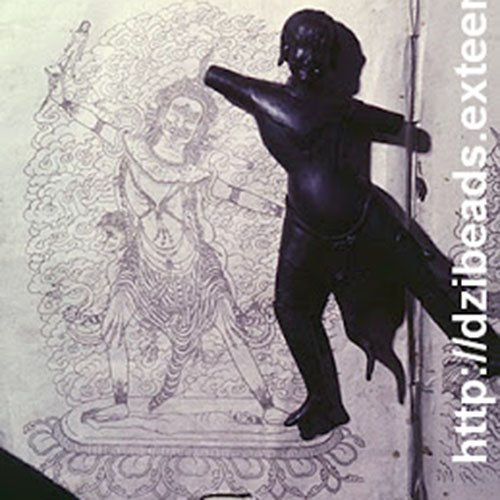


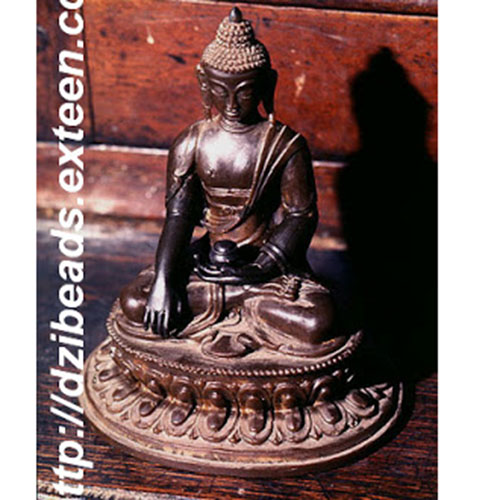

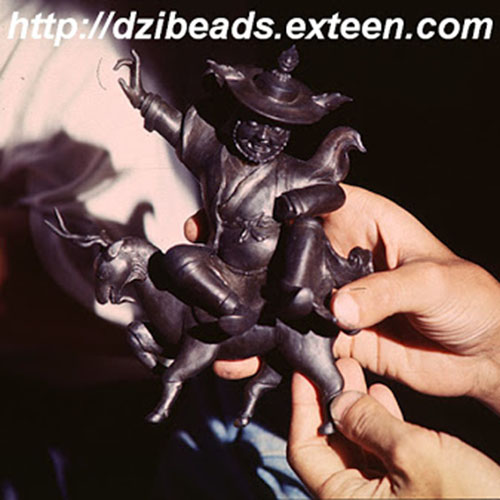
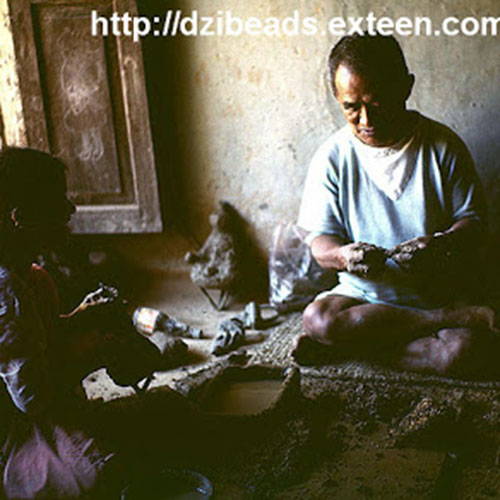
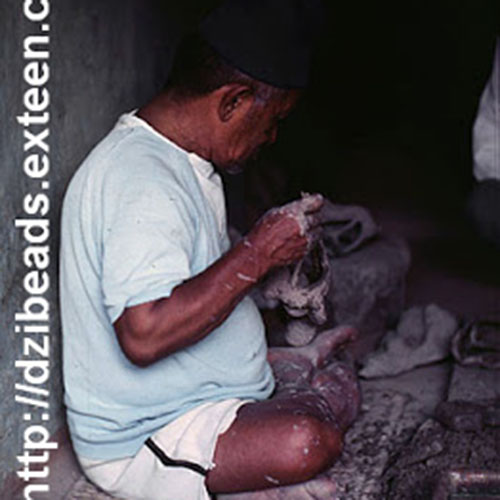

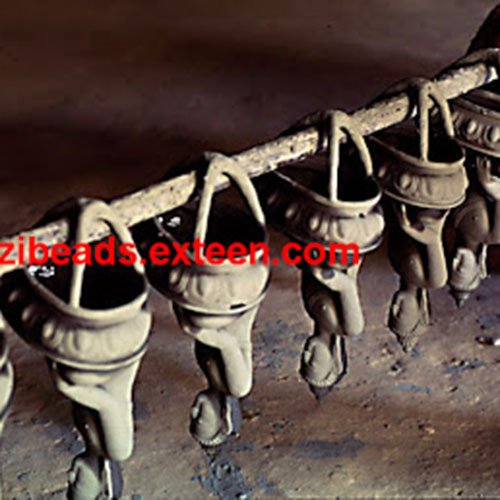
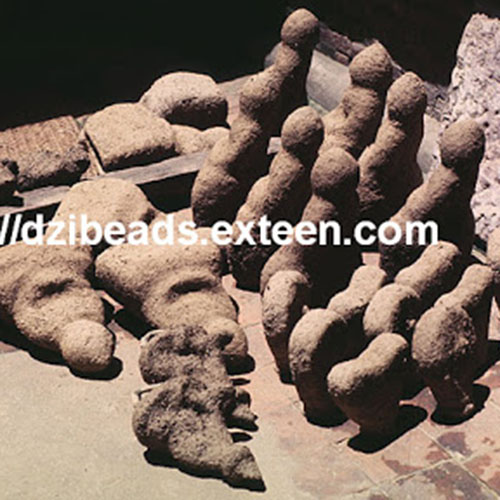
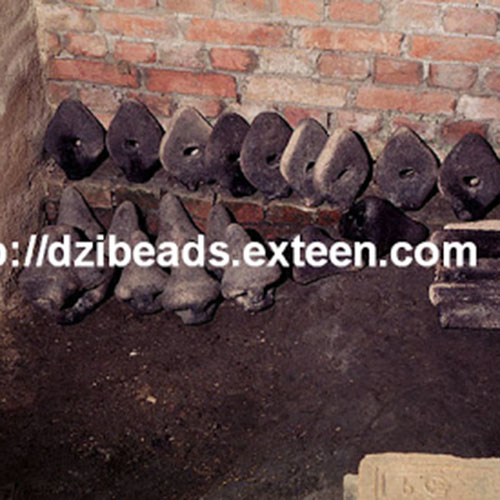
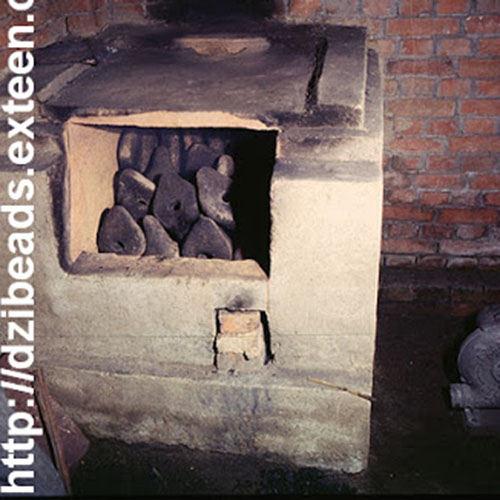
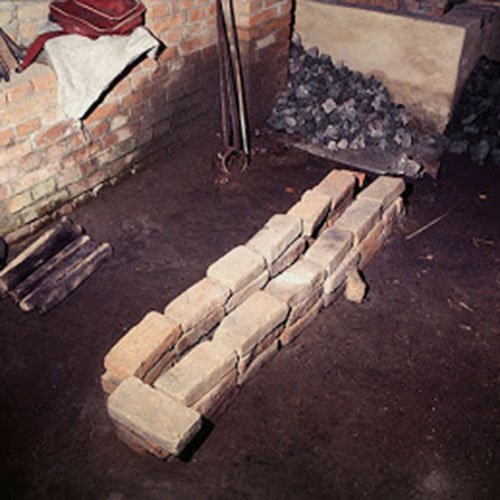
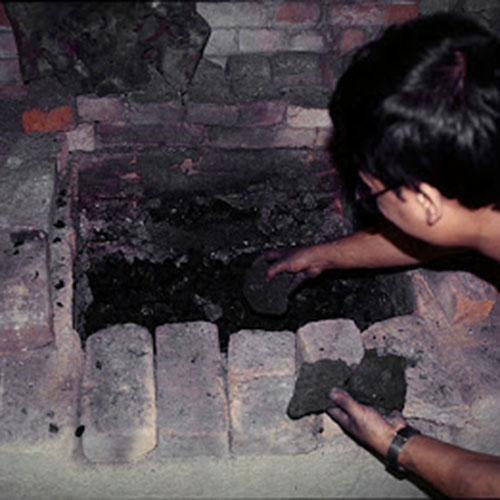

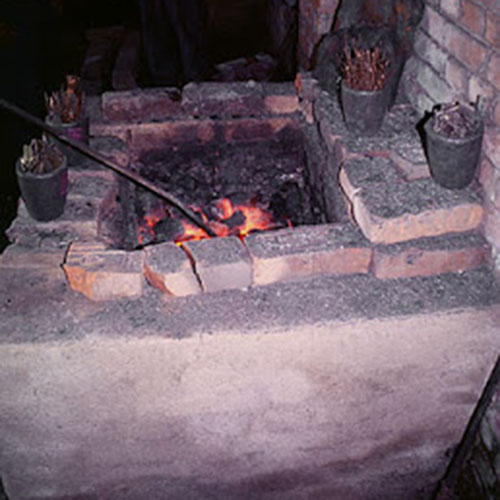
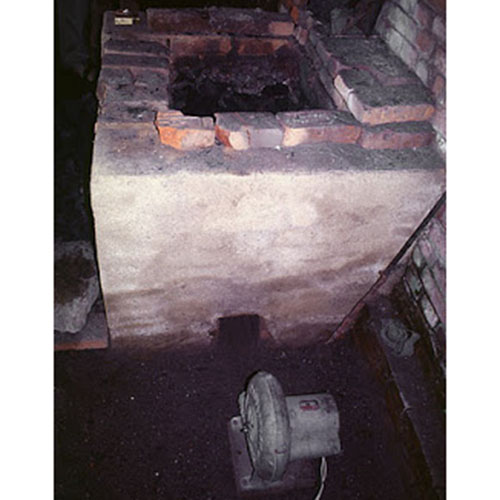
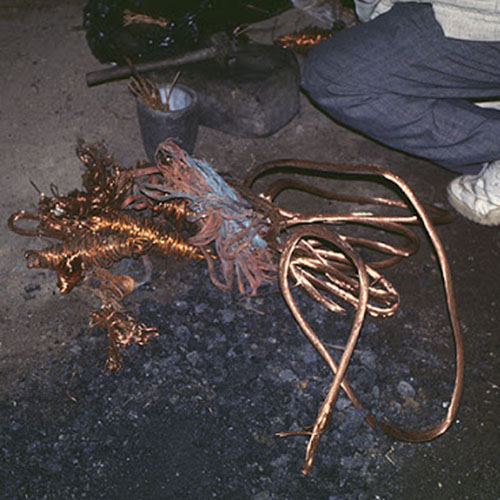
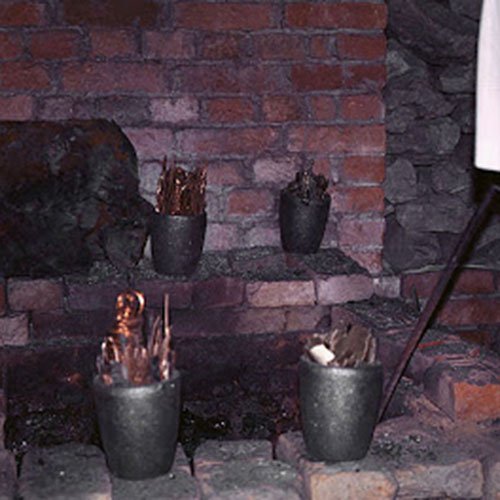
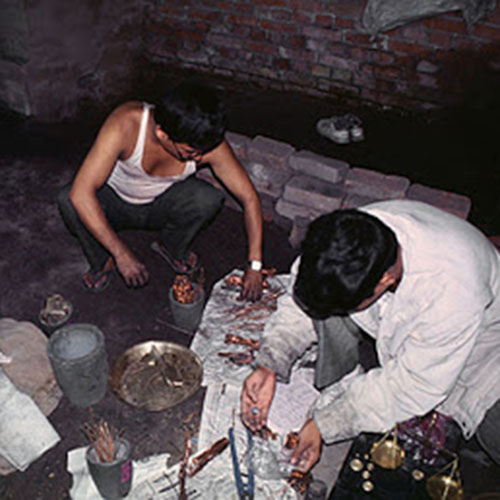


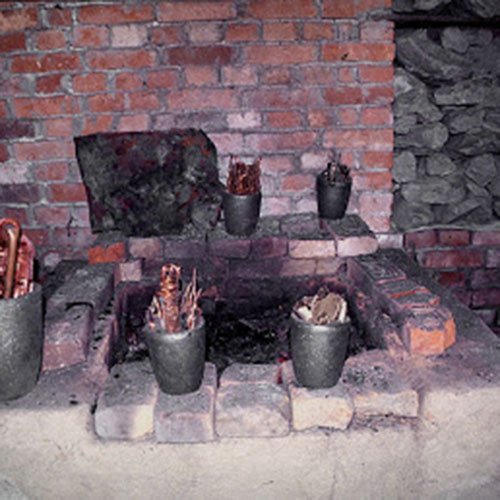


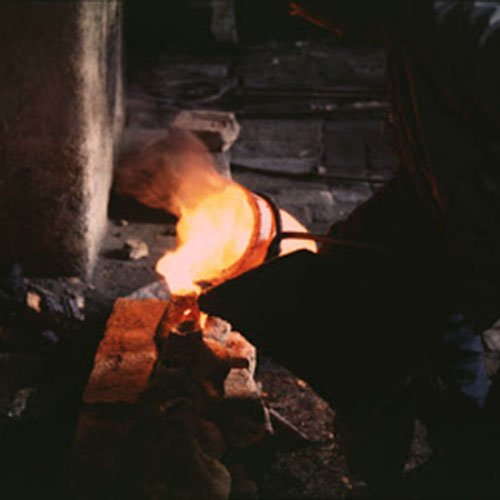


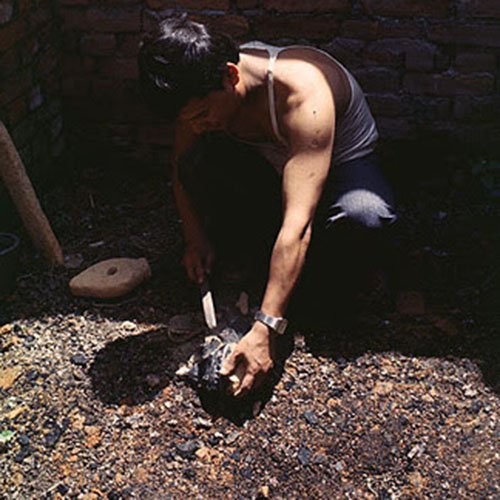

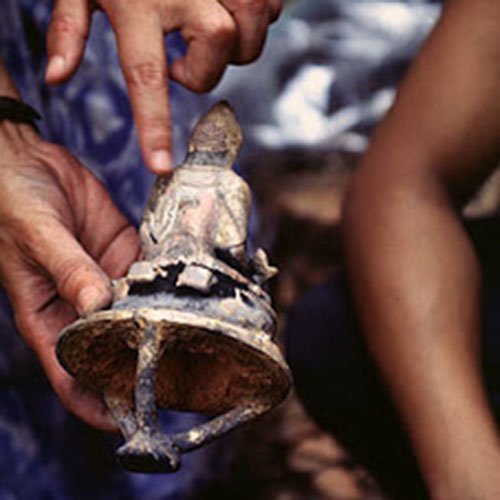

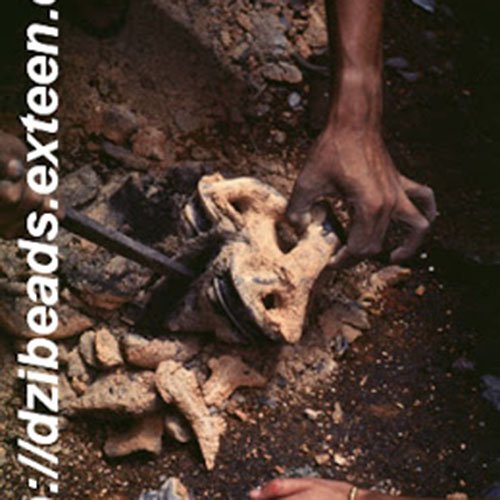




The Life and Journeys of Marpa Lotsawa :
Marpa was born into a wealthy family in the Lhodrak region of southern Tibet.
Driven by an insatiable thirst for authentic Dharma, Marpa undertook three perilous journeys to India and four to Nepal.
The Relationship Between Marpa and Milarepa :
Marpa's Iconography (How He is Depicted in Art)
- Physical Appearance: Marpa is typically depicted as a robust, solid man, often frowning slightly or with a piercing, semi-wrathful gaze that reflects his uncompromising teaching style.
- Hair and Attire: Because he was a layman, he is never shown with a shaved head. He has long, matted hair pushed back or tied up. He wears the traditional long-sleeved garments of a Tibetan householder or the white cotton robes of a yogi, rather than the red monastic robes.
- Posture and Hand Gestures (Mudras): He is usually seated in a relaxed, royal posture (Lalitasana) on a cushion or animal skin. His hands often rest on his knees, or he may hold a kapala (skull cup) representing the transformation of poisons into wisdom, and a vajra (thunderbolt) symbolizing indestructible reality.
Why Bring a Marpa Statue into Your Home? :
What People Want to Know About Marpa Lotsawa :
Who was Marpa Lotsawa?
Marpa Lotsawa (1012â1097) was a great Tibetan translator and the founder of the Kagyu lineage of Tibetan Buddhism. He traveled to India three times to study under Mahasiddha Naropa and brought profound Vajrayana teachings back to Tibet.
What is the relationship between Marpa and Milarepa?
Marpa was the principal teacher of Milarepa. To purify Milarepa's dark past, Marpa acted as a strict and demanding guru, putting Milarepa through severe hardshipsâlike building stone towersâbefore finally granting him the highest spiritual teachings.
Why is Marpa depicted with long hair?
Unlike many Buddhist masters, Marpa was a layman, a householder, and a farmer, not a monk. His long hair and everyday Tibetan clothing in statues and Thangkas symbolize his status as a powerful lay practitioner and yogi.
What does Marpa hold in his hands in Buddhist statues?
Marpa is frequently shown resting his hands on his knees in a relaxed posture. When holding implements, he typically grasps a skull cup (kapala) in his left hand and a vajra or a book in his right hand, representing his mastery of tantra and his role as a translator.
Why is Marpa important to the Kagyu Lineage?
Marpa is the vital link between the Indian Mahasiddhas and the Tibetan practitioners. The primary Kagyu transmission flows directly from Tilopa, to Naropa, to Marpa, who then passed the unbroken lineage to Milarepa.
You may also want to read the related articles :
Gold Plating in Statues | Making Process Of Metal Statues | Videos of statue Making Process | Service of Filling and blessing in Statue | Altering Finishing in StatueAt Handmade Statue, we aim to provide a seamless and user-friendly experience. While our website is not a direct online shopping platform, we have a shopping cart system to make submitting your inquiries easy. Follow these steps to place your order:
Step 1: Browse Our Products
Explore our website to discover a wide range of authentic Nepali handicrafts, including statues, thangkas, singing bowls, wood carvings, jewelry, and more. Click on any product to view detailed descriptions and images.
Step 2: Add Items to Your Inquiry Cart
Click the “Add to Inquiry Cart” button for each product you are interested in. This will help you organize your selections conveniently.
Step 3: Review Your Inquiry Cart
Once you’ve added all your items, review your cart to ensure accuracy before submitting your inquiry.
Step 4: Submit Your Inquiry
Click the “Submit Inquiry” button. Fill out the form with your contact details, selected products, and any specific questions or customization requests.
Step 5: Communicate via Email
Since we don’t have an automated payment system, our team will respond to your inquiry via email. We’ll provide guidance, answer questions, and assist with customization requests.
Step 6: Finalize Your Order
Confirm all product details and customization options with our team. Once everything is finalized, we will provide secure payment instructions.
Step 7: Complete Your Payment
Make the payment through the provided method. After confirmation, we will process and prepare your order for shipment.
Step 8: Shipping and Delivery
We offer worldwide shipping. Once your order is dispatched, we will provide tracking details and shipping information.
Step 9: Receive and Enjoy Your Handicrafts
Unpack your beautiful handmade Nepali products and enjoy the craftsmanship and cultural heritage of Nepal.
Need Assistance?
If you face any issues or have questions while placing your order, contact us via email or mobile communication apps. Our team is dedicated to providing prompt support and a smooth ordering experience.
We hope this straightforward ordering process ensures a delightful and satisfying experience with Handmade Statue. Thank you for choosing us to connect you with the rich heritage of Nepali handicrafts.
Return Policy
We have a 7 days money back policy but buyer have to pay the return shipping charges.
Shipping
- Shipping cost is calculated, based on the shipping weight of the products ordered. THe normal Shipping cost is US$25 for upto 0.5 kgs weight
- We ship Worldwide, Except Russia and India.
- The deliver duration varies for international Shipping location. We normally dispatch the product in 2 -3 business days. Else Buyer will be infromed Personally about the shipping.
Related Products
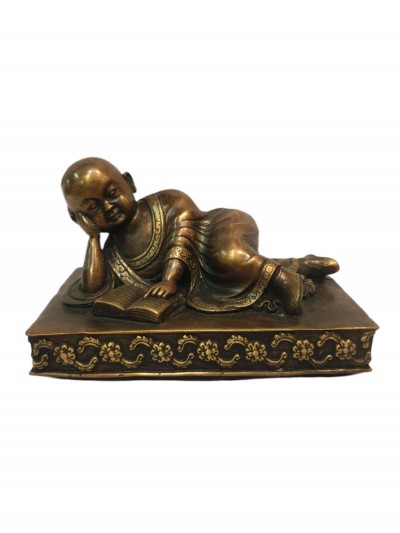
9cm Tibetan Buddhist Statue Of Lama, Oxidized
Weight : 0.73kg | [24663]
US$100
US$80
You Save
US$20
(20%)
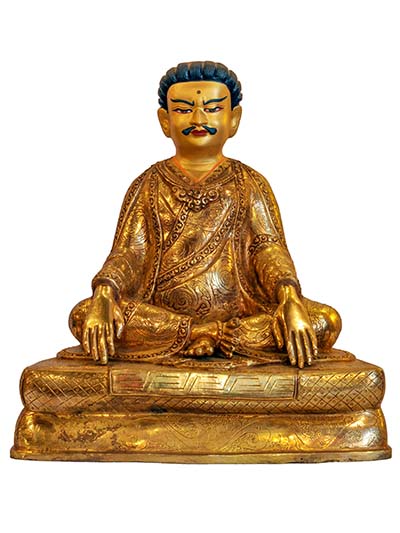
20cm Buddhist Handmade Statue Of Marpa Lotsawa, Face Painted, Gold Plated
Weight : 2.13kg | [28338]
US$500
US$400
You Save
US$100
(20%)
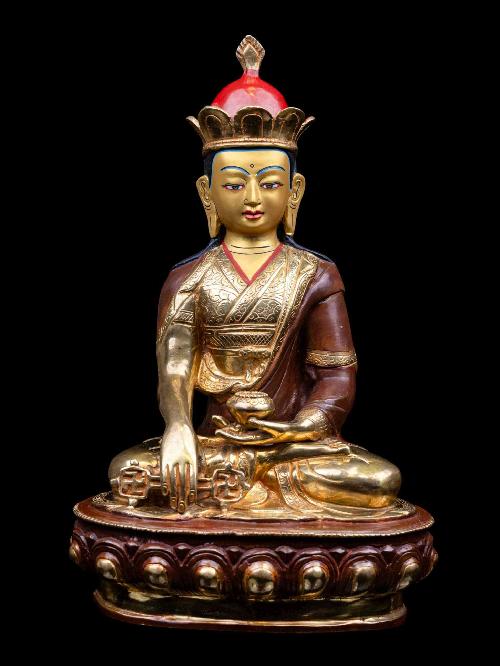
36cm Tonpa Shenrab, Buddhist Handmade Statue, Half Gold Plated, Face Painted And High Quality, Bon Religion
Weight : 3.62kg | [34685]
US$550
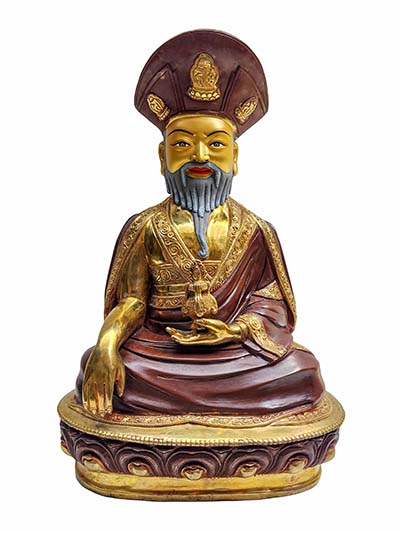
37cm The 4th Zhabdrung Rinpoche Statue, Buddhist Handmade Statue, Partly Gold Plated, Face Painted
Weight : 5.15kg | [29334]
US$500
US$400
You Save
US$100
(20%)
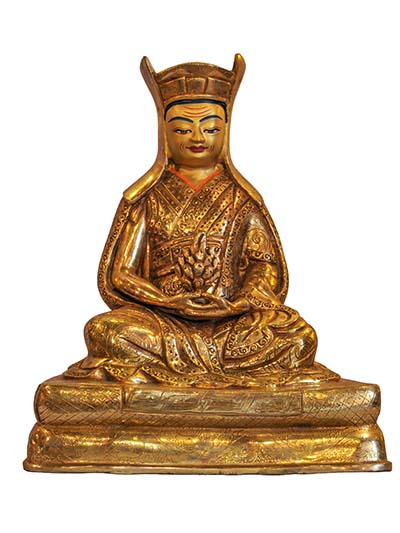
22cm Buddhist Handmade Statue Of Gampopa, Face Painted, Gold Plated
Weight : 2.06kg | [28339]
US$500
US$400
You Save
US$100
(20%)
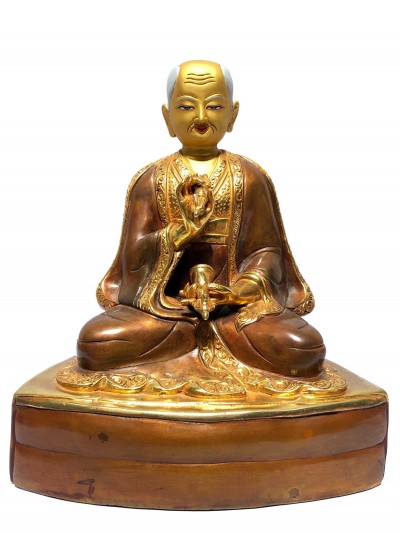
20cm Monastery Quality Statue Of Guru, Partly Gold Plated, Painted Face
Weight : 1.5kg | [21839]
US$800
US$640
You Save
US$160
(20%)
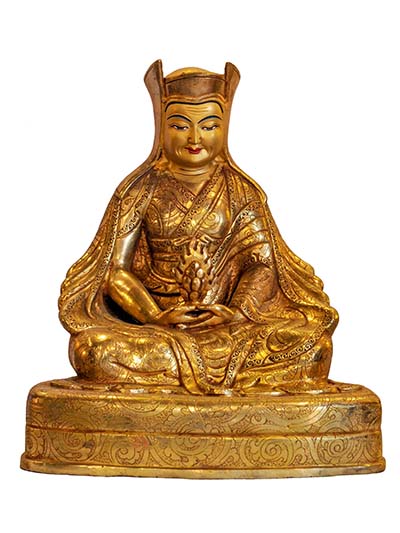
26cm Buddhist Handmade Statue Of Gampopa, Face Painted, Gold Plated
Weight : 3.01kg | [28333]
US$800
US$640
You Save
US$160
(20%)
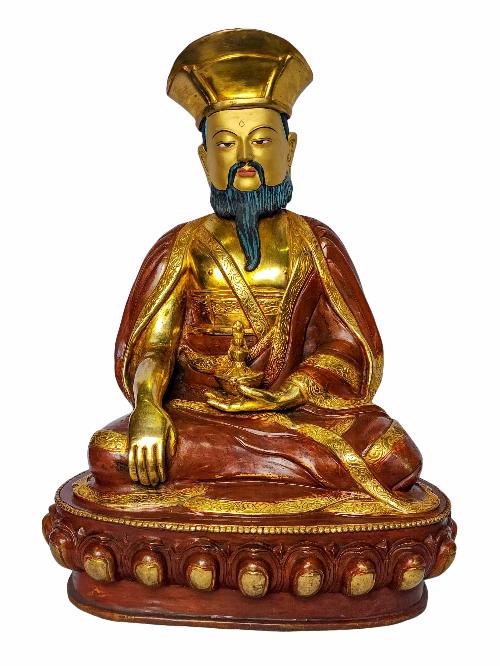
31cm 4th Zhabdrung Rinpoche, Buddhist Handmade Statue, Face Painted, Partly Gold Plated And Chocolate Oxidized
Weight : 4.2kg | [32559]
US$800
US$640
You Save
US$160
(20%)