![Buddhist Nepali Fiber [stupa] With Gold Paint](https://www.handmadeexpo.com/pics/product/28509.jpg)

![Buddhist Nepali Fiber [stupa] With Gold Paint](https://www.handmadeexpo.com/pics/product/thumb/28509.jpg)
![Buddhist Nepali Fiber [stupa] With Gold Paint](https://www.handmadeexpo.com/pics/product/thumb/28509_0.jpg)
![Buddhist Nepali Fiber [stupa] With Gold Paint](https://www.handmadeexpo.com/pics/product/thumb/28509_1.jpg)
![Buddhist Nepali Fiber [stupa] With Gold Paint](https://www.handmadeexpo.com/pics/product/thumb/28509_2.jpg)
Buddhist Nepali Fiber Stupa with Gold Paint
Boudhanath Stupa, locally known as Boudha or Khasti Mahachaitya, is a colossal mandala-shaped monument located on the eastern outskirts of Kathmandu, Nepal. Standing at approximately 36 meters (118 feet) tall with a massive diameter of roughly 120 meters, it is one of the largest spherical stupas in the world. As a beacon of Himalayan Buddhism, it represents the enlightened mind of the Buddha and is believed to enshrine the sacred relics of Kassapa Buddha.
Every year, millions of pilgrims, travelers, and spiritual seekers flock to this UNESCO World Heritage Site. For Tibetan Buddhists and Nepalese devotees alike, the stupa is not just an architectural marvel but a living center of faith, meditation, and peace. Its profound spiritual energy and unique architectural beauty make it an essential pilgrimage destination and a timeless source of inspiration for Himalayan art and craftsmanship.
History of Boudhanath Stupa :
The exact origins of Boudhanath Stupa remain a blend of historical records and rich mythology. It has stood as a guardian of the Kathmandu Valley for over a millennium.
- Origins and Construction Period: Historical accounts suggest the stupa was originally founded during the Licchavi period, around the 5th or 6th century AD, by King Manadeva (or King Sivadeva). The present colossal structure is widely believed to have taken its shape around the 14th century after the Mughal invasions.
- Legends of Construction: According to a famous Tibetan Buddhist legend, the stupa was constructed by a humble widow named Jhyazima (or Samvari). She asked the local king for a patch of land the size of a single buffalo skin. The king mockingly agreed, but the clever widow cut the skin into thin strips, forming a massive circle to claim her land. Through deep devotion, she and her four sons laid the foundation for the "Jarung Khashor" (Boudhanath), symbolizing that enlightenment is accessible to all, regardless of status. Another Newari myth states the stupa was built using millions of dewdrops collected during a severe drought, earning it the name Khasti (dewdrops).
- A Hub for Tibetan Buddhism: Located on the ancient trade route connecting Tibet to the Kathmandu Valley, Boudhanath has historically been a resting and praying place for Tibetan merchants. Following the 1959 Tibetan uprising, a massive influx of refugees settled in the area, establishing over 50 monasteries (gompas) and cementing Boudhanath as the epicenter of Tibetan Buddhism in Nepal.
- UNESCO Designation and Restoration: Boudhanath Stupa was designated a UNESCO World Heritage Site in 1979. When the devastating 2015 Gorkha earthquake severely cracked the upper spire, the global Buddhist community and private donors united. Without government funding, they completely restored the golden pinnacle by 2016, a testament to the stupa's enduring spiritual importance.
Architecture of Boudhanath Stupa :
The White Dome (Anda)
Harmika
Buddha Eyes
- Meaning: They represent the omnipresent, omniscient nature of the Buddha, constantly looking out with infinite compassion and awareness in all directions.
- The Number "1": Between the eyes is a symbol that looks like a question mark. This is the Nepali numeral "Ek" (one). It symbolizes unityâthe one true path to enlightenment through the Buddha's teachings.
- The Third Eye: Above the main eyes is a smaller third eye, symbolizing inner wisdom and the Buddha's spiritual insight.
Thirteen Levels (Spire)
Golden Pinnacle (Umbrella)
Prayer Wheels
- Purpose and Mantras: Each wheel is heavily embossed with the sacred mantra Om Mani Padme Hum.
- Circumambulation (Kora): Pilgrims walk around the stupa in a clockwise direction, spinning the wheels to release the mantras into the universe, which is believed to generate the same spiritual merit as reciting the prayers verbally.
Prayer Flags
- Five Colors: The flags come in five specific colors representing the five elements: Blue (Space/Sky), White (Air/Wind), Red (Fire), Green (Water), and Yellow (Earth).
- Spiritual Meaning: As the wind blows, it carries the prayers, mantras, and blessings printed on the flags across the surrounding area, promoting peace, compassion, and wisdom for all sentient beings.
Symbolism of Boudhanath Stupa
- Enlightenment and Wisdom: The overall structure maps the practitioner's journey from worldly attachment (the earthly dome) up through the stages of spiritual awakening (the 13 tiers) to ultimate enlightenment (the pinnacle).
- Compassion and Peace: The all-seeing Buddha eyes constantly radiate empathy, reminding devotees to act with mindfulness and loving-kindness.
- Purification and Merit: The act of clockwise circumambulation, spinning prayer wheels, and lighting butter lamps are powerful methods for purification of negative karma and the accumulation of spiritual merit.
- Unity: The stupa acts as an anchor for the community, bringing together various sects of Tibetan Buddhism, Newari Buddhists, and global visitors into a single space of harmonious meditation.
Religious Importance
- Pilgrimage Destination: Thousands of devotees make lifelong pilgrimages to this stupa to meditate, prostrate, and seek blessings.
- Daily Rituals: From the early hours of the morning, the air is thick with the scent of burning juniper incense. Monks, nuns, and locals perform their daily Kora (circumambulation), chanting mantras and spinning prayer wheels.
- Butter Lamps: Surrounding the stupa, devotees light thousands of traditional butter lamps, symbolizing the illumination of wisdom eradicating the darkness of ignorance.
- Festivals: The stupa becomes a vibrant hub during major Buddhist festivals such as Losar (Tibetan New Year) and Buddha Jayanti (Buddhaâs Birthday), featuring grand prayer ceremonies, colorful masked dances, and the unfurling of giant Thangkas.
Boudhanath Stupa in Himalayan Art
- Influence on Crafts: The stupa heavily inspires the creation of intricate thangka paintings, which often depict the stupa at the center of the cosmos.
- Ritual Objects: Local artisans draw inspiration from the stupaâs motifs to craft ritual objects such as copper prayer wheels, vajras, and singing bowls.
- Nepalese Craftsmanship: The surrounding alleys of Boudha are lined with traditional artisan workshops where master sculptors continue the centuries-old legacy of lost-wax bronze casting, creating stunning Buddhist sculptures that reflect the same serene energy found at the stupa.
Visiting Boudhanath Stupa :
- Best Time to Visit: The best time to experience the stupa's magic is early morning (around 6:00 AM) or late afternoon (around 5:00 PM). During these times, the temperature is pleasant, the lighting is beautiful, and you can witness the daily devotion of the local community.
- Respectful Behavior: Always walk around the stupa in a clockwise direction. Dress modestly, covering your shoulders and knees.
- Photography Etiquette: While photography is generally allowed, avoid using flash inside monasteries and always ask for permission before taking close-up portraits of monks or meditating pilgrims.
- Surrounding Area: Take time to explore the numerous monasteries surrounding the stupaâmany welcome respectful visitors for meditation. You can also browse local artisan shops offering authentic handmade Buddhist art and ritual items.
Why Boudhanath Stupa Inspires Buddhist Art
Common Questions About Boudhanath Stupa :
1. What is Boudhanath Stupa?
2. Why is Boudhanath Stupa famous?
3. Where is Boudhanath Stupa located?
4. Why are there eyes on Boudhanath Stupa?
5. What do the thirteen levels of the stupa represent?
6. Why do people walk around Boudhanath Stupa clockwise?
7. Is Boudhanath Stupa a UNESCO World Heritage Site?
8. What is the best time to visit Boudhanath Stupa?
9. Can non-Buddhists visit Boudhanath Stupa?
10. How has Boudhanath Stupa influenced Buddhist art and architecture?
You may also want to read the related articles :
At Handmade Statue, we aim to provide a seamless and user-friendly experience. While our website is not a direct online shopping platform, we have a shopping cart system to make submitting your inquiries easy. Follow these steps to place your order:
Step 1: Browse Our Products
Explore our website to discover a wide range of authentic Nepali handicrafts, including statues, thangkas, singing bowls, wood carvings, jewelry, and more. Click on any product to view detailed descriptions and images.
Step 2: Add Items to Your Inquiry Cart
Click the “Add to Inquiry Cart” button for each product you are interested in. This will help you organize your selections conveniently.
Step 3: Review Your Inquiry Cart
Once you’ve added all your items, review your cart to ensure accuracy before submitting your inquiry.
Step 4: Submit Your Inquiry
Click the “Submit Inquiry” button. Fill out the form with your contact details, selected products, and any specific questions or customization requests.
Step 5: Communicate via Email
Since we don’t have an automated payment system, our team will respond to your inquiry via email. We’ll provide guidance, answer questions, and assist with customization requests.
Step 6: Finalize Your Order
Confirm all product details and customization options with our team. Once everything is finalized, we will provide secure payment instructions.
Step 7: Complete Your Payment
Make the payment through the provided method. After confirmation, we will process and prepare your order for shipment.
Step 8: Shipping and Delivery
We offer worldwide shipping. Once your order is dispatched, we will provide tracking details and shipping information.
Step 9: Receive and Enjoy Your Handicrafts
Unpack your beautiful handmade Nepali products and enjoy the craftsmanship and cultural heritage of Nepal.
Need Assistance?
If you face any issues or have questions while placing your order, contact us via email or mobile communication apps. Our team is dedicated to providing prompt support and a smooth ordering experience.
We hope this straightforward ordering process ensures a delightful and satisfying experience with Handmade Statue. Thank you for choosing us to connect you with the rich heritage of Nepali handicrafts.
Return Policy
We have a 7 days money back policy but buyer have to pay the return shipping charges.
Shipping
- Shipping cost is calculated, based on the shipping weight of the products ordered. THe normal Shipping cost is US$25 for upto 0.5 kgs weight
- We ship Worldwide, Except Russia and India.
- The deliver duration varies for international Shipping location. We normally dispatch the product in 2 -3 business days. Else Buyer will be infromed Personally about the shipping.
Related Products
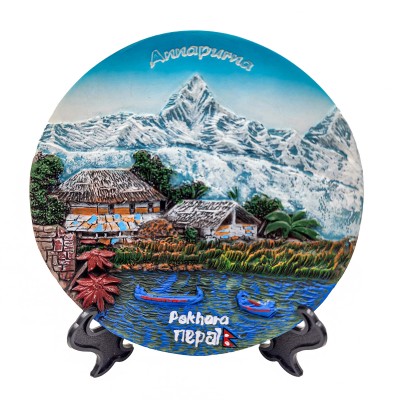
16cm 3d Fiber Art Of Pokhara City Of Nepal With Stand And Wall Hanger, Ceramic Plate, Souvenir
Weight : 0.27kg | [28496]
US$15
US$15
You Save
US$0
(20%)
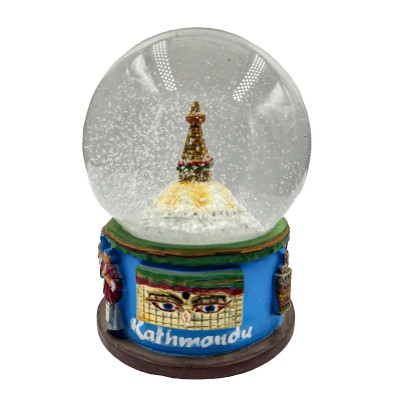
10cm Water Globe Of Swayambhunath, Replica Of The Ancient Religious Stupa Of Nepal
Weight : 0.46kg | [28484]
US$20
US$15
You Save
US$5
(20%)
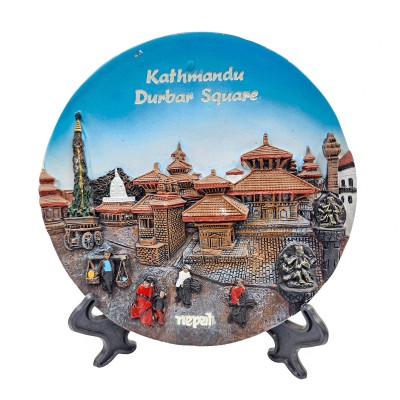
16cm 3d Fiber Art Of Kathmandu Durbar Square Of Nepal With Stand And Wall, Ceramic Plate, Souvenirhanger
Weight : 0.28kg | [28500]
US$15
US$15
You Save
US$0
(20%)
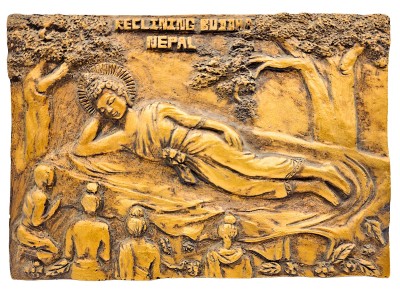
10cm 3d Fiber Art Of Buddha Nirvana Or Sleeping Buddha With Stand And Wall Hanger
Weight : 0.14kg | [28506]
US$10
US$10
You Save
US$0
(20%)
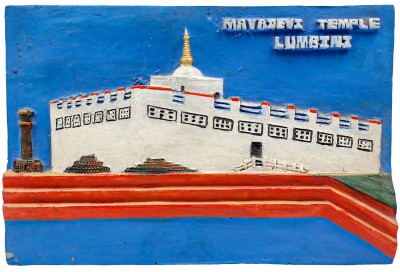
11cm 3d Fiber Art Of Lumbini Birth Place Of Gautam Buddha Temple Of Nepal With Stand And Wall Hanger
Weight : 0.16kg | [28505]
US$10
US$10
You Save
US$0
(20%)
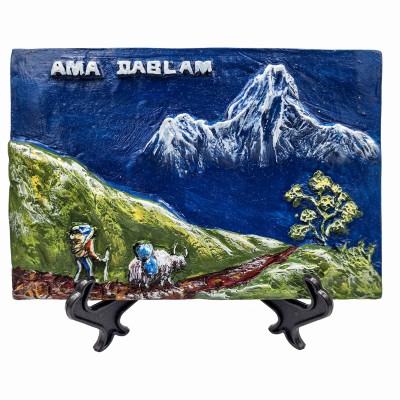
17cm 3d Fiber Art Of Mt. Ama Dablam Of Nepal With Stand And Wall Hanger
Weight : 0.14kg | [28501]
US$10
US$10
You Save
US$0
(20%)
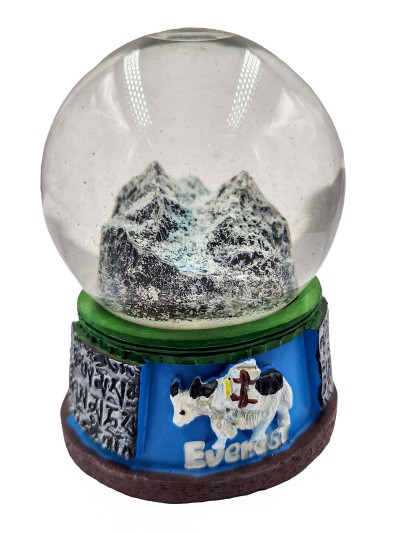
8cm Water Globe Of Everest With Made From Fiber, Replica Of The Majestic Mountain Of Nepal
Weight : 0.3kg | [28483]
US$20
US$15
You Save
US$5
(20%)
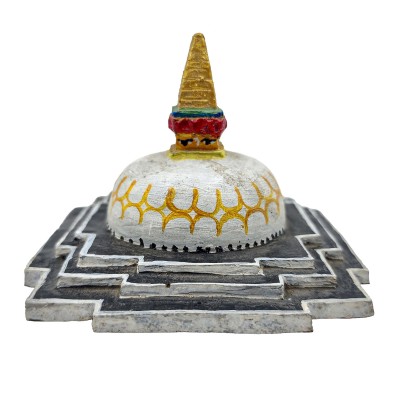
15cm Buddhist Nepali Fiber Stupa With White Paint
Weight : 0.23kg | [28507]
US$15
US$15
You Save
US$0
(20%)