![Buddhist Handmade Statue Of Standing [padmasambhava], [chocolate Oxidation] With Silver Plating](https://www.handmadeexpo.com/pics/product/26577.jpg)

![Buddhist Handmade Statue Of Standing [padmasambhava], [chocolate Oxidation] With Silver Plating](https://www.handmadeexpo.com/pics/product/thumb/26577.jpg)
![Buddhist Handmade Statue Of Standing [padmasambhava], [chocolate Oxidation] With Silver Plating](https://www.handmadeexpo.com/pics/product/thumb/26577_0.jpg)
![Buddhist Handmade Statue Of Standing [padmasambhava], [chocolate Oxidation] With Silver Plating](https://www.handmadeexpo.com/pics/product/thumb/26577_1.jpg)
![Buddhist Handmade Statue Of Standing [padmasambhava], [chocolate Oxidation] With Silver Plating](https://www.handmadeexpo.com/pics/product/thumb/26577_2.jpg)
![Buddhist Handmade Statue Of Standing [padmasambhava], [chocolate Oxidation] With Silver Plating](https://www.handmadeexpo.com/pics/product/thumb/26577_3.jpg)
Buddhist Handmade Statue of Standing Padmasambhava, Chocolate Oxidation with Silver Plating
The Padmasambhava features a captivating combination of partly silver plating and dark oxidation. This unique finishing technique combines the lustrous shine of silver with the rich, deep tones achieved through oxidation. In the process of creating this finish, selected areas of the Padmasambhava are expertly silver-plated, creating a radiant and reflective surface that catches the light. The remaining areas are intentionally oxidized, resulting in a darkened patina that adds depth and character to the piece. Read More . . .
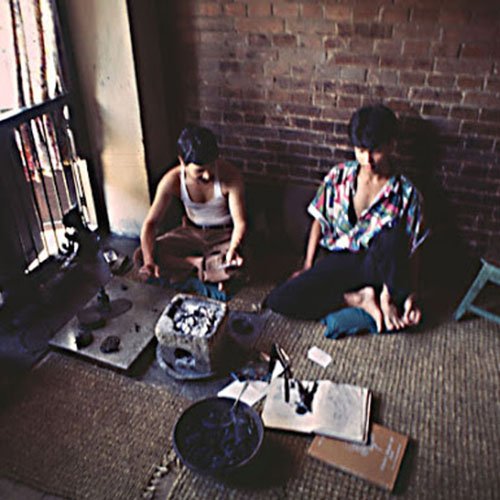
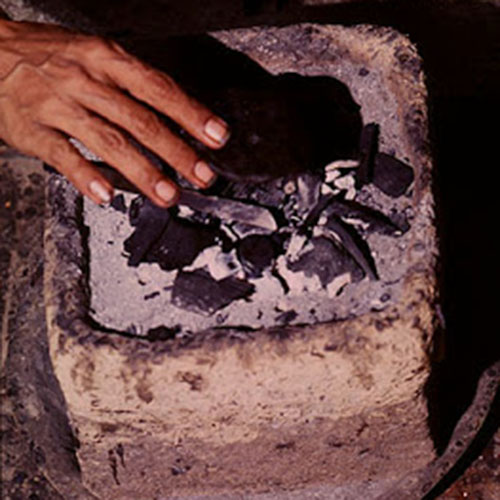
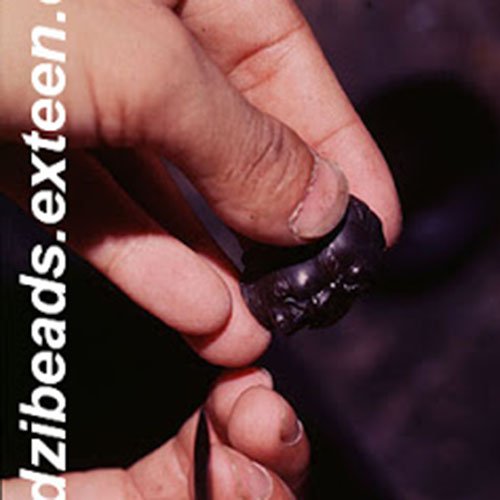
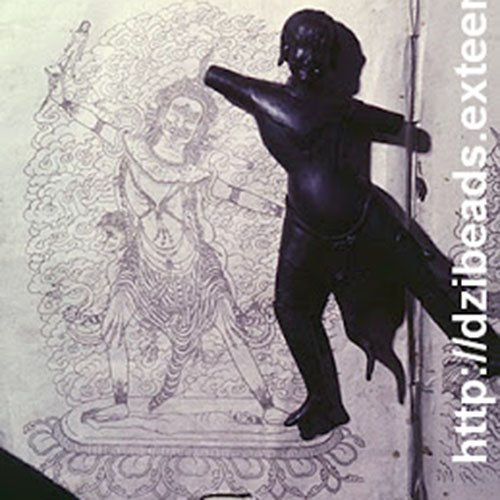
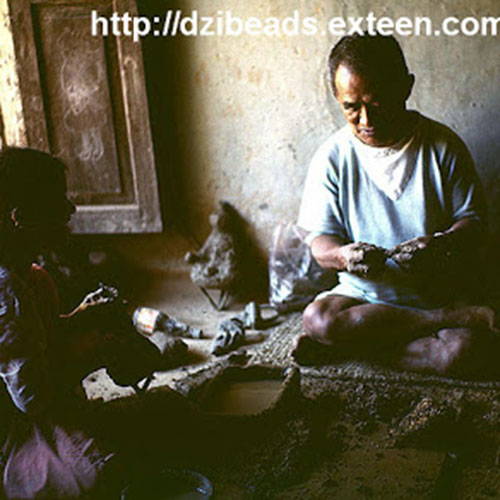
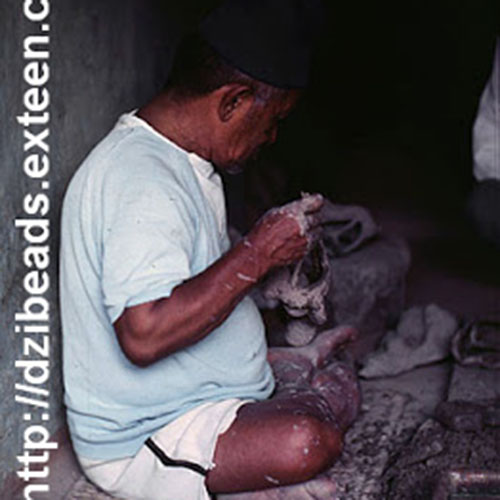
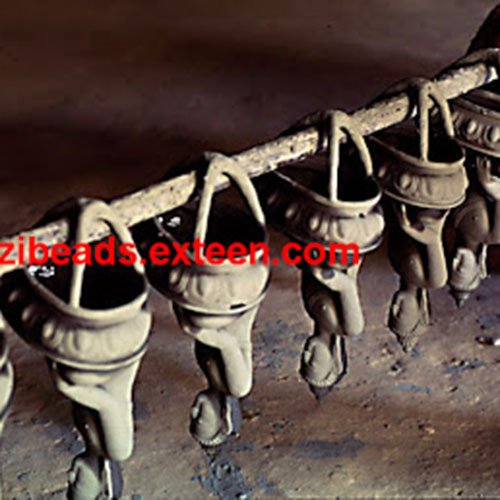
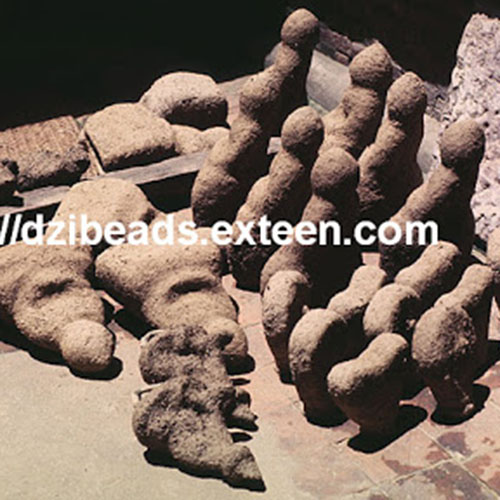
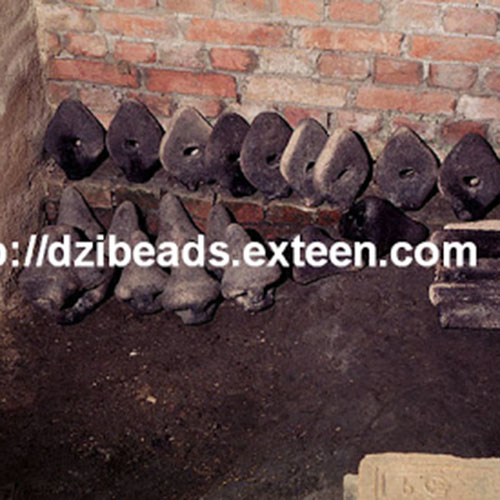
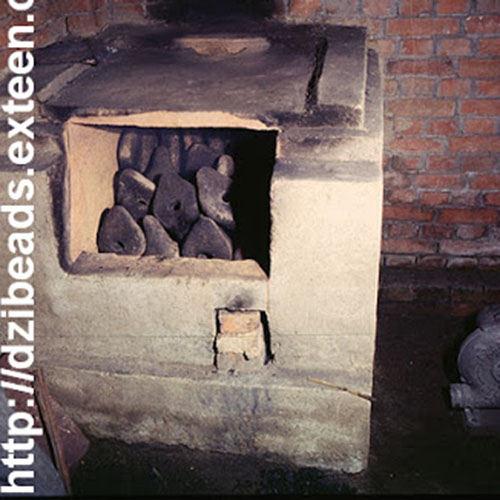
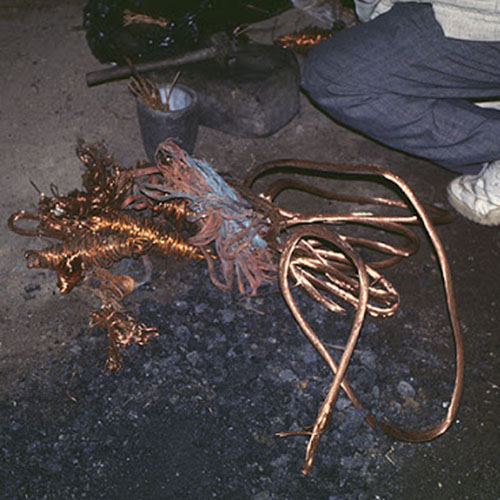
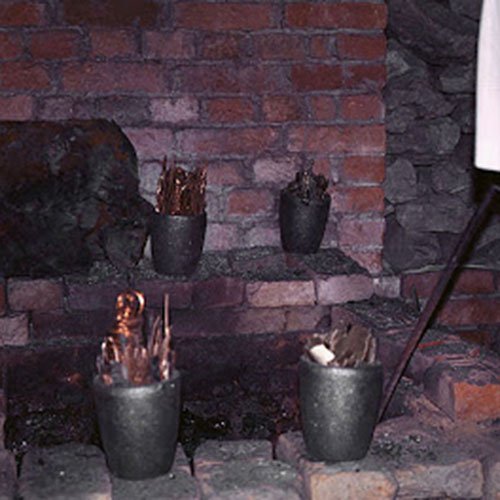
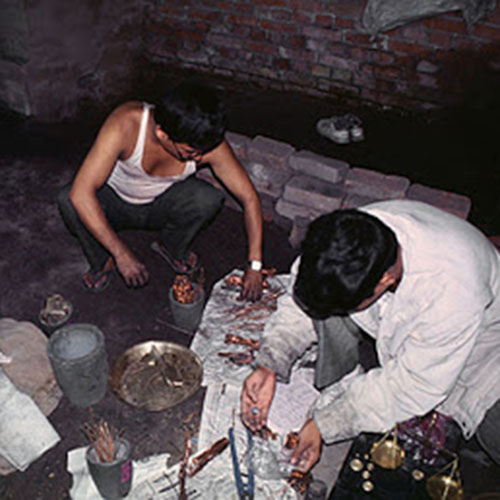
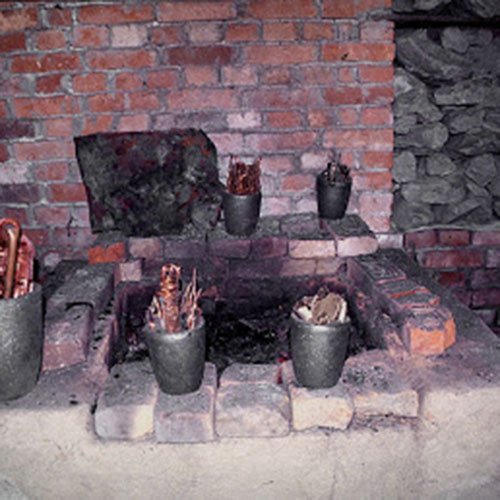
This Padmasambhava of Padmasambhava is made by the process of the Lost Wax system. This is a very complicated, time consuming and historic process of making metal sculptures.Which is why it is sometimes called Precision Casting as well. Hence the sculptures made by this process are comparatively expensive. There are many new, advanced and less time consuming methods of casting metal sculptures available as well. But due to the benefits provided by the traditional lost wax system in quality control and customization, we prefer the Loss wax system over Ceramic molding, or sand casting to make our Padmasambhava.
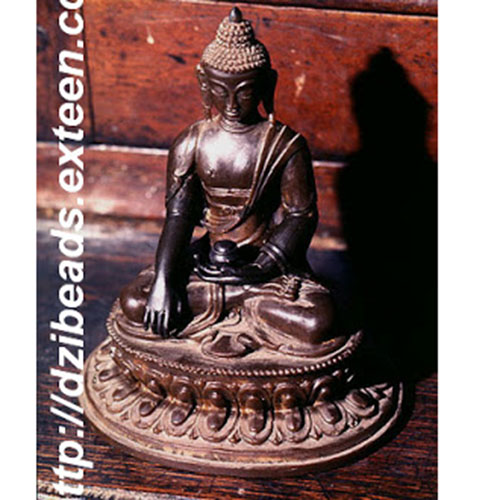
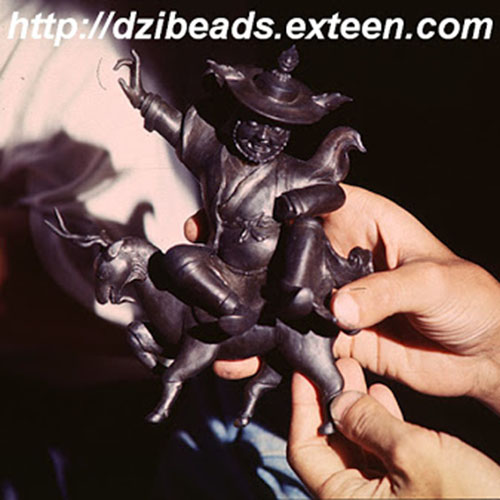
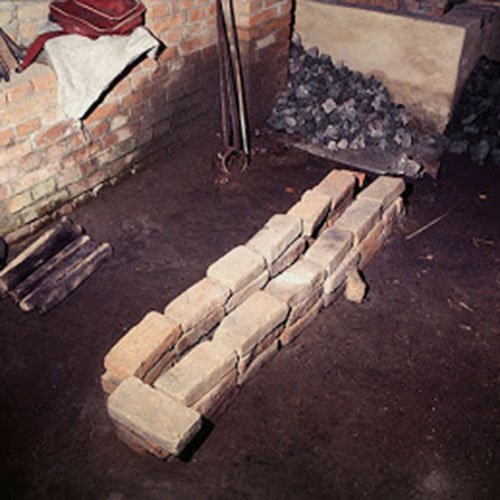
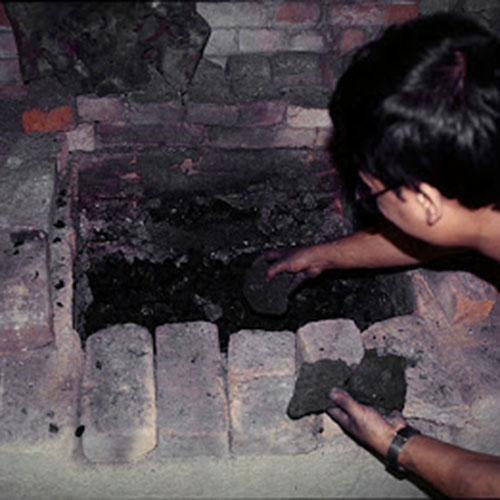
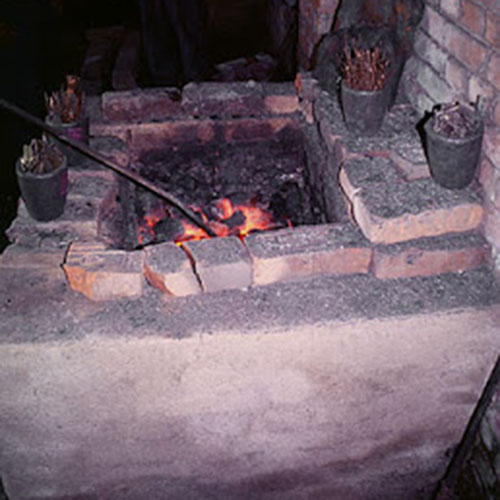
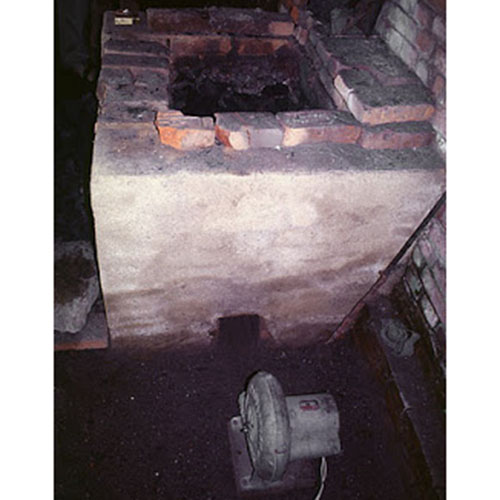
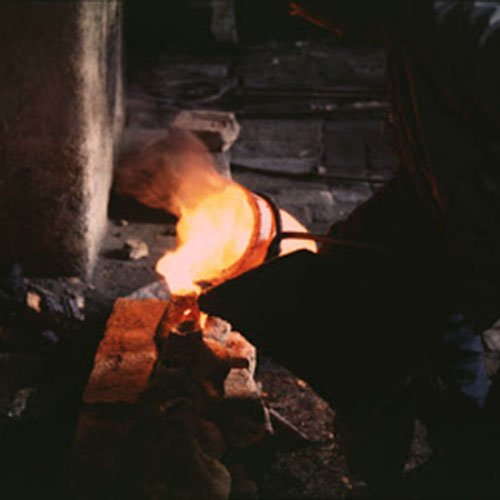
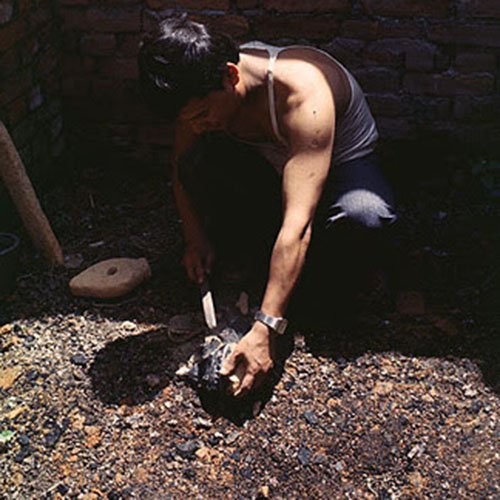
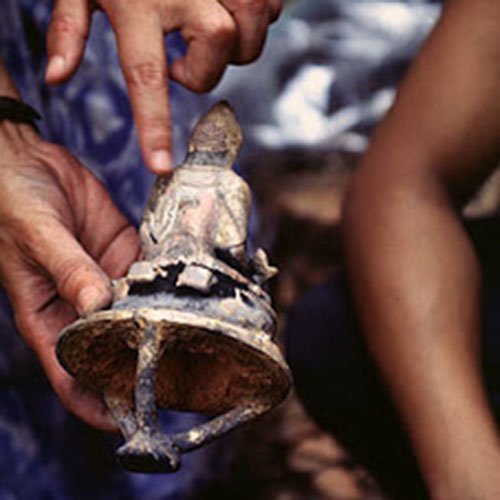
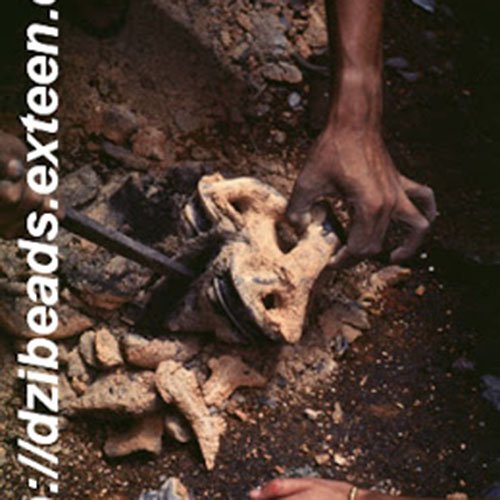
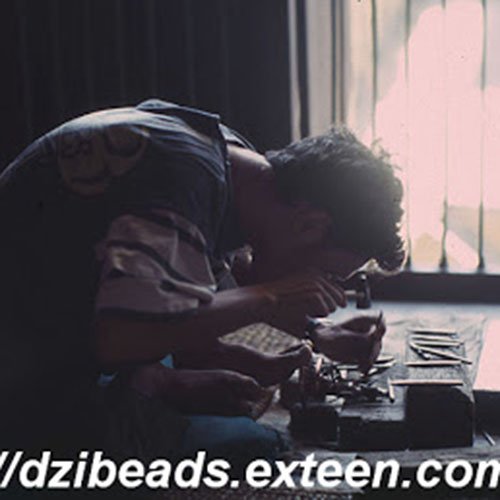
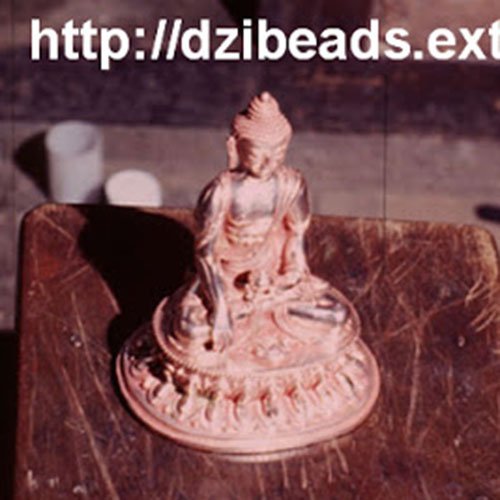
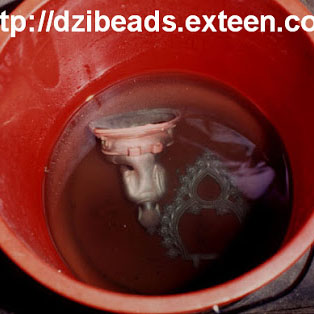
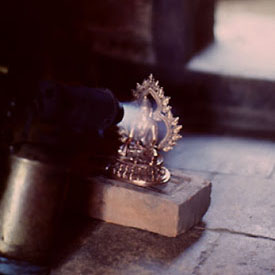
Below we have tried to illustrate the process of making a loss wax system statue: Read More . . .










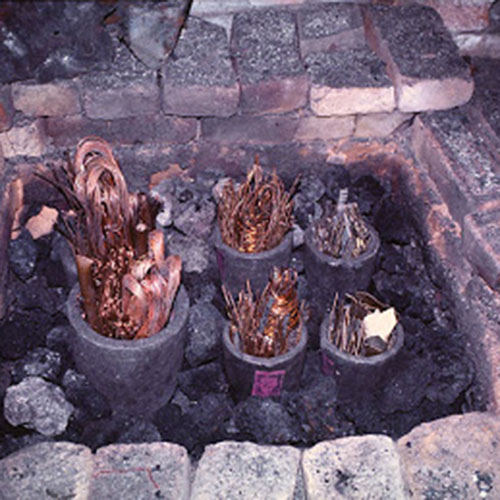
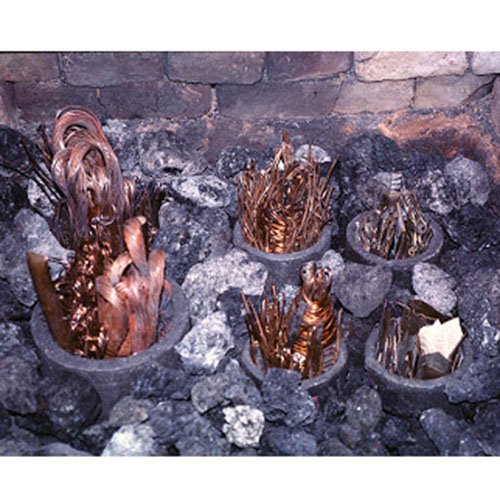

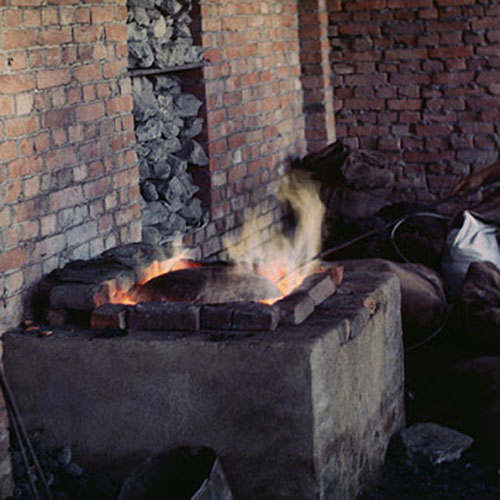

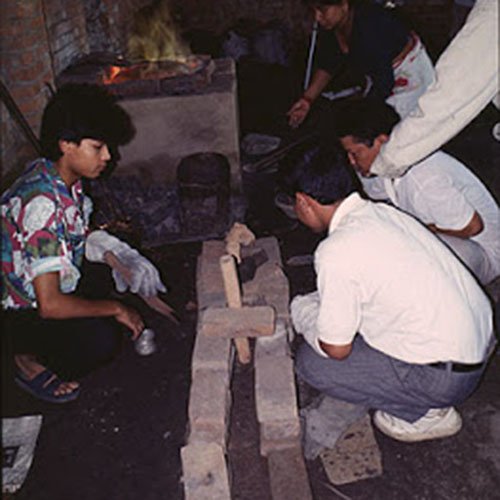








His two eyes are wide open in a piercing gaze. On his body he wears a white vajra undergarment and, on top of this, in layers, a red robe, a dark blue mantrayana tunic, a red monastic shawl decorated with a golden flower pattern, and a maroon cloak of silk brocade. He has one face and two hands.
In his right hand, he holds a five-pronged vajra at his heart; and in his left, which rests in the gesture of equanimity, he holds a skull-cup in the centre of which is a vase of longevity filled with the nectar of deathless wisdom. Cradled in his left arm is a three-pointed khatvanga representing the consort Mandarava. On his head, he wears a five-petalled lotus hat. Wrathful and smiling, he blazes magnificently with the splendour of the major and minor marks. He is seated with his two feet in the royal posture.
His fame became known to Trisong Detsen, the 38th king of the Yarlung dynasty, and the first Emperor of Tibet (742â797), whose kingdom was beset by evil mountain deities. The king invited Padmasambhava to Tibet where he used his tantric powers to subdue the evil deities he encountered along the way, eventually receiving the Emperor's wife, identified with the dakini Yeshe Tsogyal, as a consort. This was in accordance with the tantric principle of not eliminating negative forces but redirecting them to fuel the journey toward spiritual awakening. In Tibet he founded the first monastery in the country, Samye Gompa, initiated the first monks, and introduced the people to the practice of Tantric Buddhism.
Padmasambhava had five major female tantric companions, the so-called 'Five Wisdom Dakinis' (Wylie: Ye-shes mKha-'gro lnga) or 'Five Consorts.' In Padmasambhava's biography - they are described as the five women "who had access to the master's heart", and practiced tantric rites which are considered to have exorcised the previous demons of Tibet and converted them into protectors of the country.' They were: Mandarava of Zahor - the emanation of Vajravarahi's Body; Belwong Kalasiddhi of (North-West) India - the emanation of Vajravarahi's Quality, Belmo Sakya Devi of Nepal; the emanation of Vajravarahi's Mind, Yeshe Tsogyal of Tibet; the emanation of Vajravarahi's Speech and Mangala or Tashi Kyedren of "the Himalayas" - the emanation of Vajravarahi's Activity.
In Bhutan he is associated with the famous Paro Taktsang or "Tiger's Nest" monastery built on a sheer cliff wall about 500m above the floor of Paro valley. It was built around the Taktsang Senge Samdup (stag tshang seng ge bsam grub) cave where he is said to have meditated in the 8th Century. He flew there from Tibet on the back of Yeshe Tsogyal, whom he transformed into a flying tigress for the purpose of the trip. Later he travelled to Bumthang district to subdue a powerful deity offended by a local king. Padmasambhava's body imprint can be found in the wall of a cave at nearby Kurje Lhakhang temple.
Padmasambhava also hid a number of religious treasures (termas) in lakes, caves, fields and forests of the Himalayan region to be found and interpreted by future tertöns or spiritual treasure-finders. According to Tibetan tradition, the Bardo Thodol (commonly referred to as the Tibetan Book of the Dead) was among these hidden treasures, subsequently discovered by a Tibetan terton, Karma Lingpa.
Tantric cycles related to Padmasambhava are not just practiced by the Nyingma, they even gave rise to a new offshoot of Bön which emerged in the 14th century called the New Bön. Prominent figures of the Sarma (new translation) schools such as the Karmapas and Sakya lineage heads have practiced these cycles and taught them. Some of the greatest tertons revealing teachings related to Padmasambhava have been from the Kagyu or Sakya lineages. The hidden lake temple of the Dalai Lamas behind the Potala called Lukhang is dedicated to Dzogchen teachings and has murals depicting the eight manifestations of Padmasambhava. Padmasambhava established Vajrayana Buddhism and the highest forms of Dzogchen (Mengagde) in Tibet and transformed the entire nation.
On Padmasambhava's consort practice with Princess Sakya Devi from Nepal it is said: "In a state of intense bliss, Padmasambhava and Sakyadevi realized the infinite reality of the Primordial Buddha Mind, the All-Beneficent Lord (Samantabhadra), whose absolute love is the unimpeded dynamo of existence. Experiencing the succession of the four stages of ecstasy, their mutual state of consciousness increased from height to height. And thus, meditating on Supreme Vajrasattva Heruka as the translucent image of compassionate wrathful (energized) activity, they together acquired the mahamudra of Divinity and attained complete Great Enlightenmen
Guru Orgyen Dorje Chang The vajra-holder , shown dark blue in color in the attire of the Sambhogakaya. Depicted in union with consort.
Guru Shakya Senge of Bodh Gaya, Lion of the Sakyas, who learns the Tantric practices of the eight Vidyadharas. He is shown as a fully ordained Buddhist monk.
Guru Pema Gyalpo of Uddiyana, the Lotus Prince, king of the Tripitaka . He is shown looking like a young crowned prince or king.
Guru Pema Jungne Lotus-arisen, the Saviour who teaches the Dharma to the people. He is shown sitting on a lotus, dressed in the three robes of a monk, under which he wears a blue
shirt, pants and heavy Tibetan boots, as protection against the cold. He holds the diamond-scepter of compassionate love in his right hand and the yogi's skull-bowl of clear wisdom in his left. He has a special trident called khatvanga of a wandering Yogi, and wears on his head a Nepalese cloth crown, stylistically designed to remind one of the shape of a lotus flower. Thus he is represented as he must have appeared in Tibet.
Guru Loden Chokse of Kashmir, the Intelligent Youth, the one who gathers the knowledge of all worlds. He is shown in princely clothes, beating a hand-drum and holding a skull-bowl.
Guru Nyima Ozer , the Sunray Yogi, who illuminates the darkness of the mind through the insight of Dzogchen. He is shown as a naked yogi dressed only in a loin-cloth and holding a Khatvanga which points towards the sun.
Guru Dorje Drolo, the fierce manifestation of Vajrakilaya (wrathful Vajrasattva) known as "Diamond Guts", the comforter of all, imprinting the elements with Wisdom-Treasure.
Guru Senge Dradog of Nalanda University, the Lion of Debate, promulgator of the Dharma throughout the six realms of sentient beings. He is shown in a very fierce form, dark blue and imitative of the powerful Bodhisattva Vajrapani, holding a thunderbolt scepter in one hand and a scorpion in the other.
Mantra of Padmasambhava
(Om Ah Hum Vajra Guru Padma Siddhi Hum)
You may also want to read the related articles :
Gold Plating in Statues | Making Process Of Metal Statues | Videos of statue Making Process | Service of Filling and blessing in Statue | Altering Finishing in StatueAt Handmade Statue, we aim to provide a seamless and user-friendly experience. While our website is not a direct online shopping platform, we have a shopping cart system to make submitting your inquiries easy. Follow these steps to place your order:
Step 1: Browse Our Products
Explore our website to discover a wide range of authentic Nepali handicrafts, including statues, thangkas, singing bowls, wood carvings, jewelry, and more. Click on any product to view detailed descriptions and images.
Step 2: Add Items to Your Inquiry Cart
Click the “Add to Inquiry Cart” button for each product you are interested in. This will help you organize your selections conveniently.
Step 3: Review Your Inquiry Cart
Once you’ve added all your items, review your cart to ensure accuracy before submitting your inquiry.
Step 4: Submit Your Inquiry
Click the “Submit Inquiry” button. Fill out the form with your contact details, selected products, and any specific questions or customization requests.
Step 5: Communicate via Email
Since we don’t have an automated payment system, our team will respond to your inquiry via email. We’ll provide guidance, answer questions, and assist with customization requests.
Step 6: Finalize Your Order
Confirm all product details and customization options with our team. Once everything is finalized, we will provide secure payment instructions.
Step 7: Complete Your Payment
Make the payment through the provided method. After confirmation, we will process and prepare your order for shipment.
Step 8: Shipping and Delivery
We offer worldwide shipping. Once your order is dispatched, we will provide tracking details and shipping information.
Step 9: Receive and Enjoy Your Handicrafts
Unpack your beautiful handmade Nepali products and enjoy the craftsmanship and cultural heritage of Nepal.
Need Assistance?
If you face any issues or have questions while placing your order, contact us via email or mobile communication apps. Our team is dedicated to providing prompt support and a smooth ordering experience.
We hope this straightforward ordering process ensures a delightful and satisfying experience with Handmade Statue. Thank you for choosing us to connect you with the rich heritage of Nepali handicrafts.
Return Policy
We have a 7 days money back policy but buyer have to pay the return shipping charges.
Shipping
- Shipping cost is calculated, based on the shipping weight of the products ordered. THe normal Shipping cost is US$25 for upto 0.5 kgs weight
- We ship Worldwide, Except Russia and India.
- The deliver duration varies for international Shipping location. We normally dispatch the product in 2 -3 business days. Else Buyer will be infromed Personally about the shipping.
Related Products
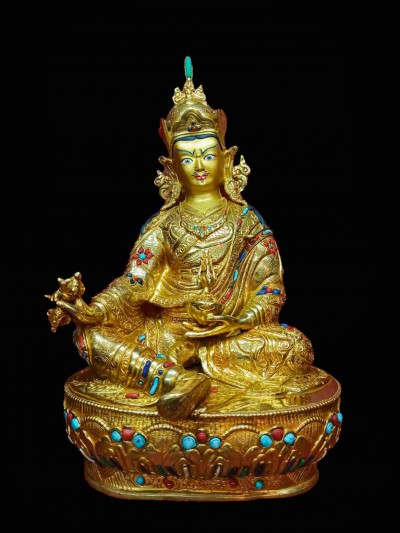
35cm Buddhist Handmade Statue Of Padmasambhava, Guru Rimpoche, Full Gold Plated, Stone Setting, Face Painted
Weight : 4kg | [26116]
US$1100
US$935
You Save
US$165
(15%)
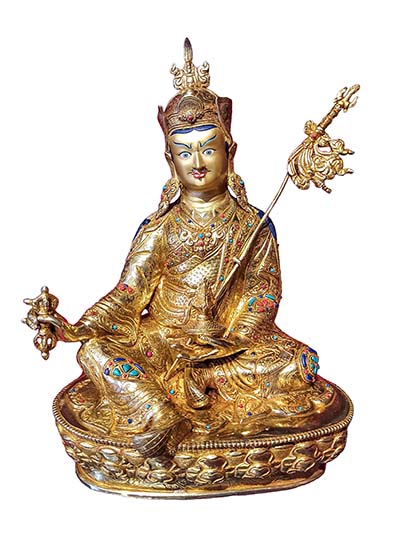
35cm Buddhist Handmade Statue Of Padmasambhava, Guru Rinpuchhe, Face Painted, Gold Plated, Stone Setting
Weight : 4.2kg | [28710]
US$1400
US$1120
You Save
US$280
(20%)
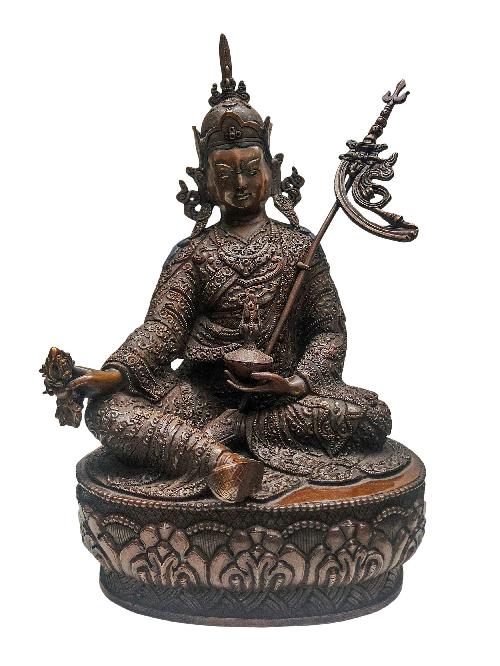
38cm Padmasambhava - Guru Rinpoche, Buddhist Handmade Statue, Chocolate Oxidized, With Detailed Deep Carving
Weight : 4.77kg | [29870]
US$840
US$672
You Save
US$168
(20%)
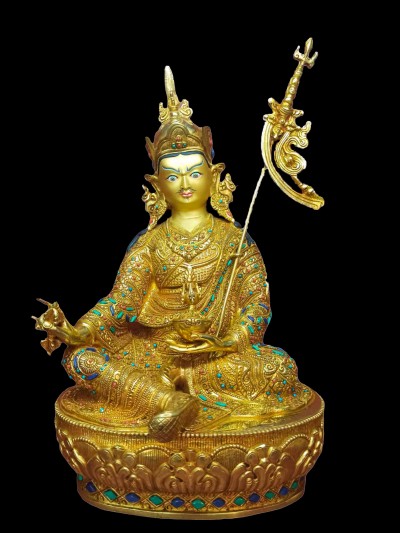
35cm Buddhist Handmade Statue Of Padmasambhava, Full Gold Plated, Stone Setting, Face Painted
Weight : 3.5kg | [25899]
US$1300
US$1105
You Save
US$195
(15%)
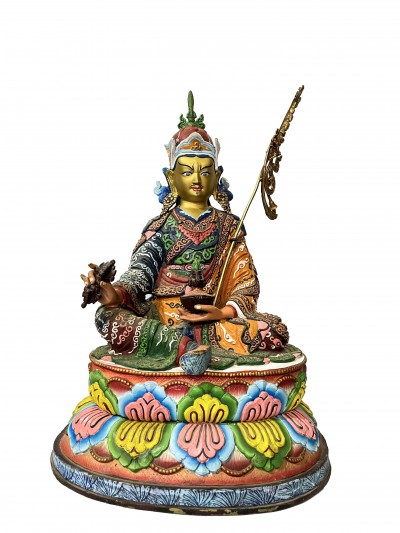
40cm Buddhist Statue Of Padmasambhava, Face Painted, Traditional Color
Weight : 4.99kg | [24378]
US$1000
US$850
You Save
US$150
(15%)
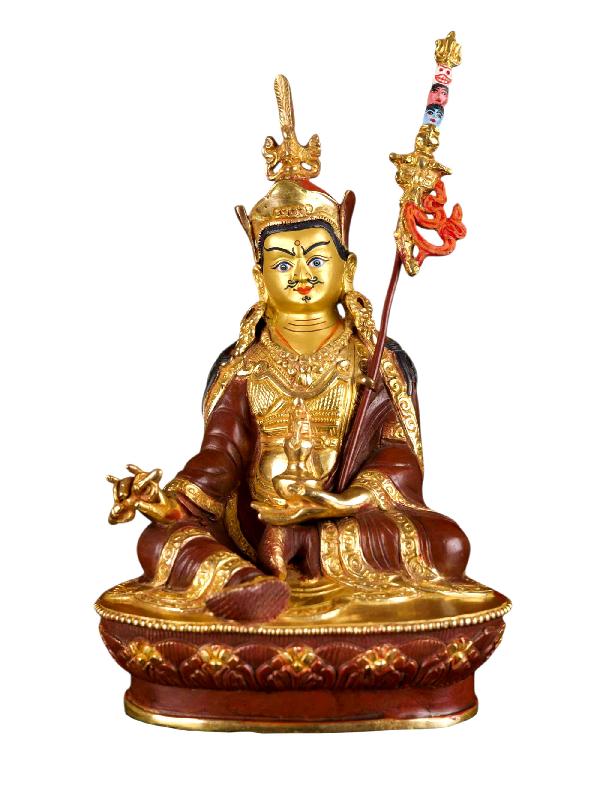
25cm Padmasambhava (guru) Buddhist Handmade Statue, Partly Gold Plated, Face Painted
Weight : 2.5kg | [36765]
US$432
US$345.6
You Save
US$86.4
(20%)
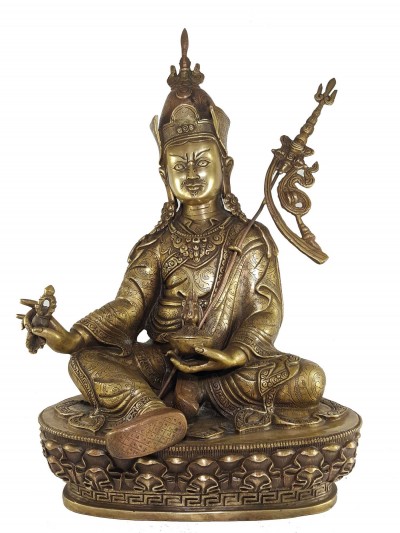
36cm Original Statue Of Guru Padmasambhava In Natural Bronze Finishing
Weight : 3.5kg | [15957]
US$500
US$425
You Save
US$75
(15%)
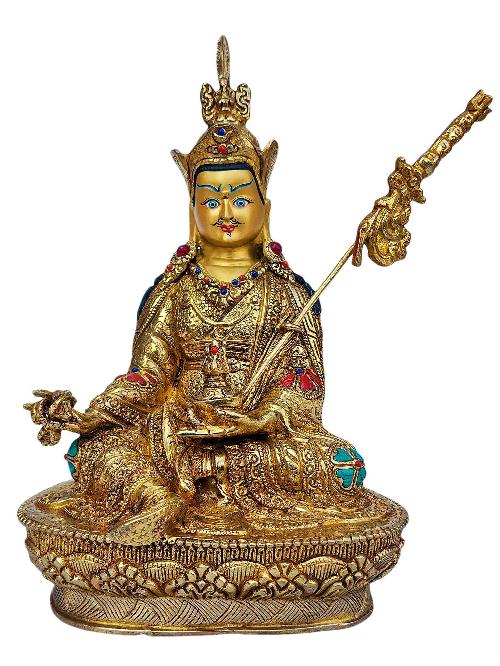
23cm Padmasambhava, Buddhist Handmade Statue, Full Gold Plated, Face Painted, Stone Setting And High Quality
Weight : 1.27kg | [34624]
US$700
US$560
You Save
US$140
(20%)