![[aparimita] Handmade Nepali Buddhist Statue, [silver Plated Oxidized Finish], [hand Painted Face]](https://www.handmadeexpo.com/pics/product/37417.jpg)

![[aparimita] Handmade Nepali Buddhist Statue, [silver Plated Oxidized Finish], [hand Painted Face]](https://www.handmadeexpo.com/pics/product/thumb/37417.jpg)
![[aparimita] Handmade Nepali Buddhist Statue, [silver Plated Oxidized Finish], [hand Painted Face]](https://www.handmadeexpo.com/pics/product/thumb/37417_0.jpg)
![[aparimita] Handmade Nepali Buddhist Statue, [silver Plated Oxidized Finish], [hand Painted Face]](https://www.handmadeexpo.com/pics/product/thumb/37417_1.jpg)
![[aparimita] Handmade Nepali Buddhist Statue, [silver Plated Oxidized Finish], [hand Painted Face]](https://www.handmadeexpo.com/pics/product/thumb/37417_2.jpg)
![[aparimita] Handmade Nepali Buddhist Statue, [silver Plated Oxidized Finish], [hand Painted Face]](https://www.handmadeexpo.com/pics/product/thumb/37417_3.jpg)
![[aparimita] Handmade Nepali Buddhist Statue, [silver Plated Oxidized Finish], [hand Painted Face]](https://www.handmadeexpo.com/pics/product/thumb/37417_4.jpg)
Aparimita Handmade Nepali Buddhist Statue, Silver Plated Oxidized Finish, Hand Painted Face
Amitayus
Gold Painted Face
The face of Aparimita is painted with gold to enhance its significant features, particularly the eyes, and lips. This detailed painting is essential as it brings forth the crucial attributes of the expression of eyes and lips that metal carving alone cannot capture.Moreover, the painted face serves as a symbolic and sacred ritual in Buddhism, preparing the statue for consecration and practice. The act of painting the face with gold in Buddhism holds deep meaning. It represents the intention to bring life and expression to the statue, imbuing it with a sense of vitality and presence. The application of gold on the face showcases the devotion and craftsmanship of the artisans, ensuring that every detail is carefully attended to honor the sacred essence of the Aparimita. Read More . . .
Silver and Chocolate Oxidized
The Aparimita features a captivating combination of partly silver plating and dark oxidation. This unique finishing technique combines the lustrous shine of silver with the rich, deep tones achieved through oxidation. In the process of creating this finish, selected areas of the Aparimita are expertly silver-plated, creating a radiant and reflective surface that catches the light. The remaining areas are intentionally oxidized, resulting in a darkened patina that adds depth and character to the piece. Read More . . .Lost-Wax System
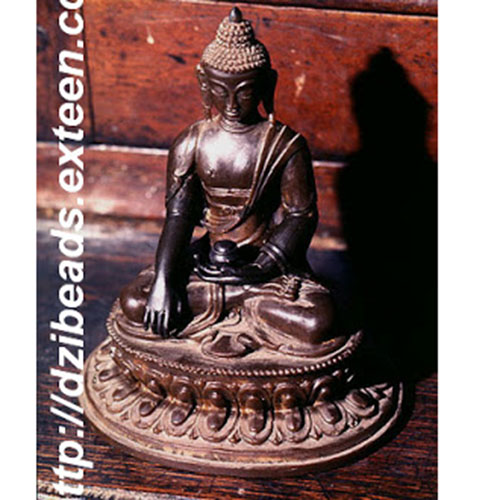
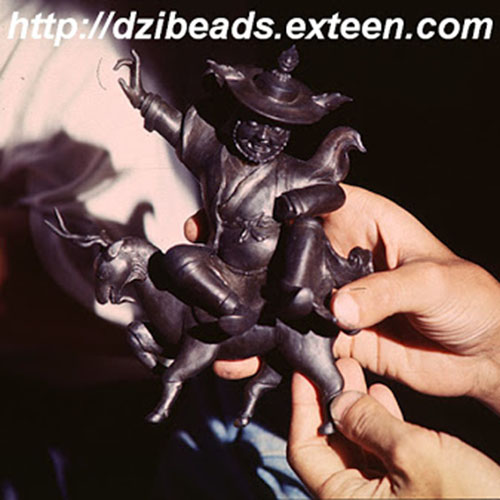
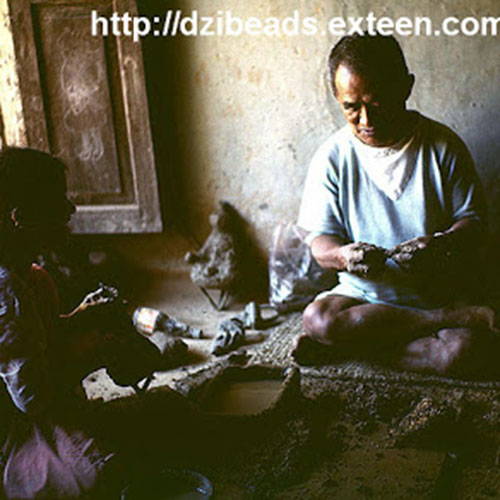
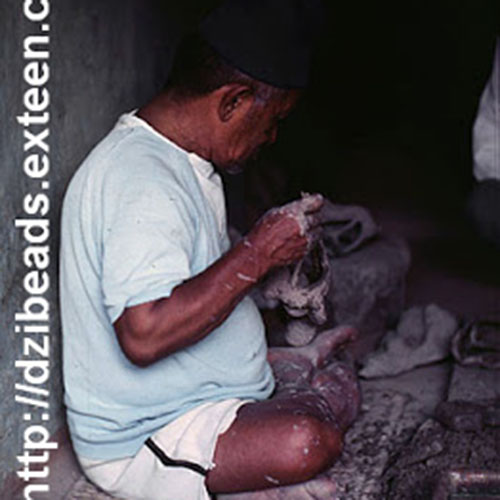
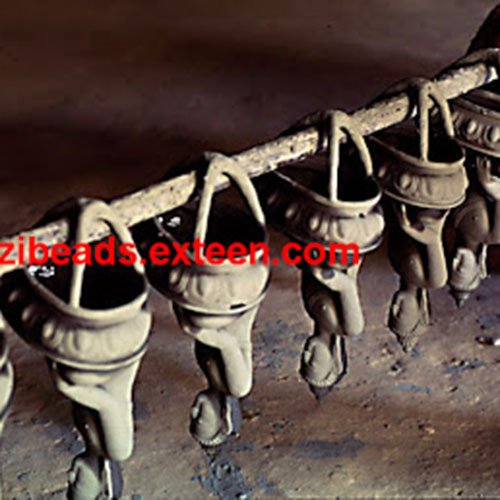
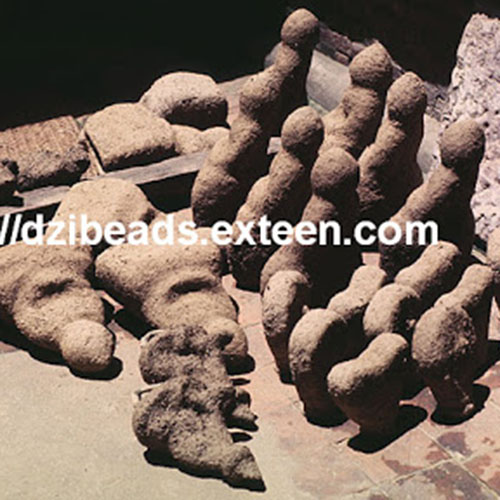
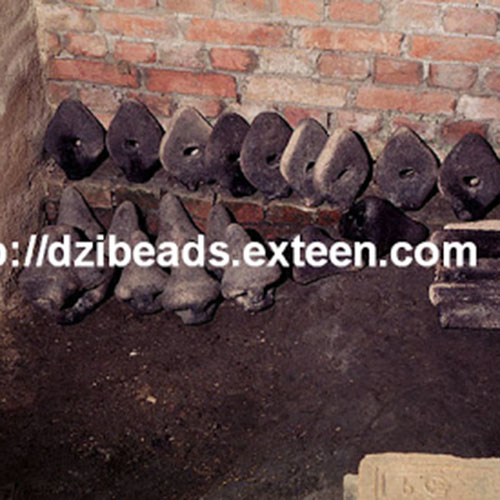
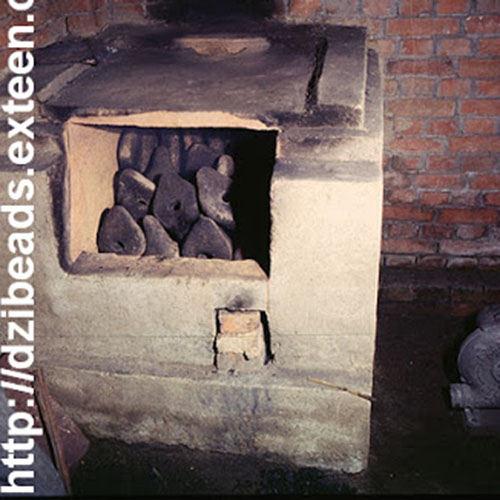
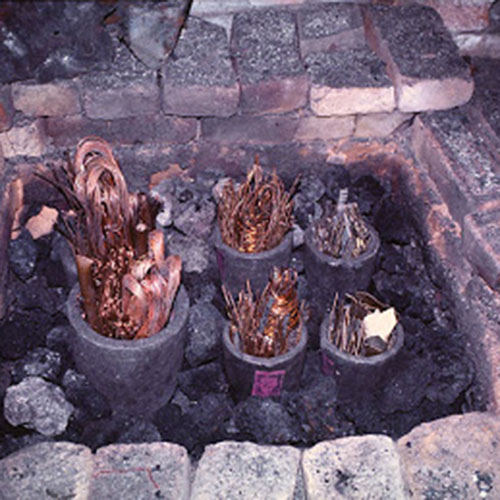
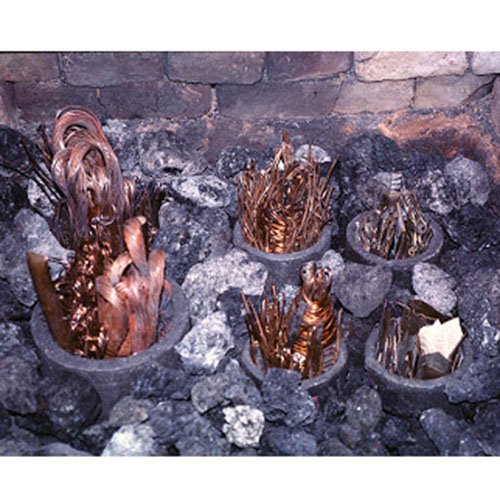
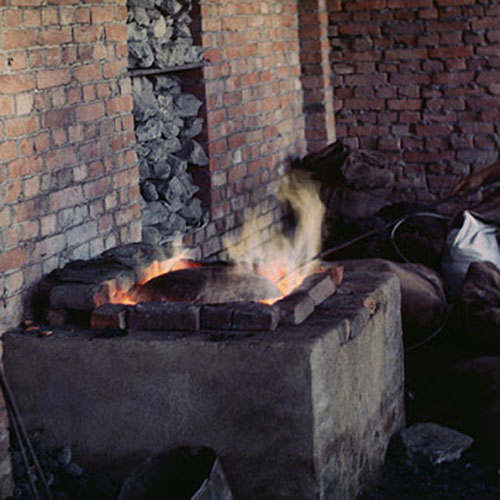
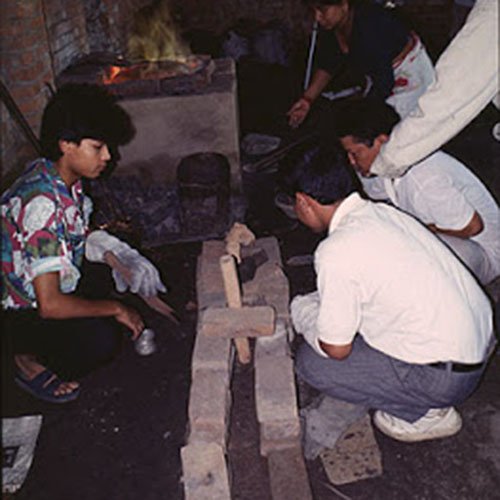
This Buddha of Aparimita is made by the process of the Lost Wax system. This is a very complicated, time consuming and historic process of making metal sculptures.Which is why it is sometimes called Precision Casting as well. Hence the sculptures made by this process are comparatively expensive. There are many new, advanced and less time consuming methods of casting metal sculptures available as well. But due to the benefits provided by the traditional lost wax system in quality control and customization, we prefer the Loss wax system over Ceramic molding, or sand casting to make our Buddha.Below we have tried to illustrate the process of making a loss wax system statue: Read More . . .
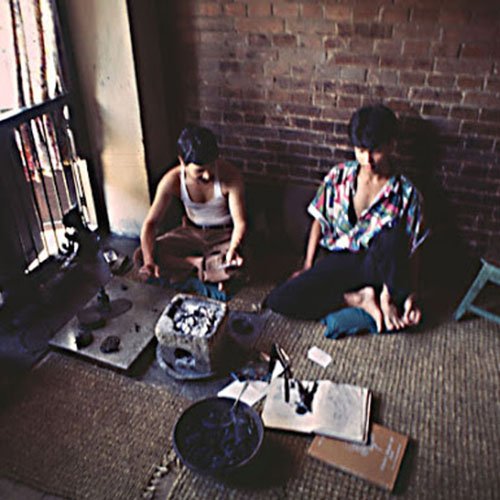
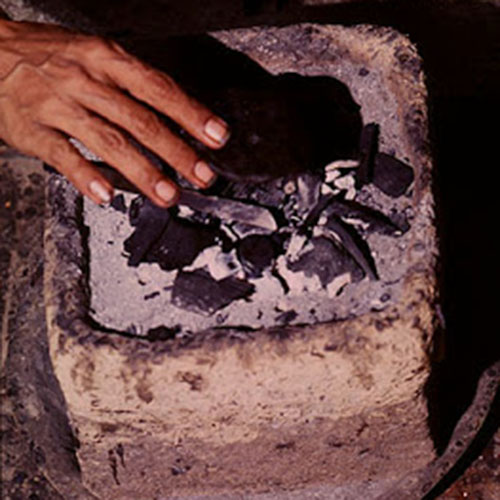

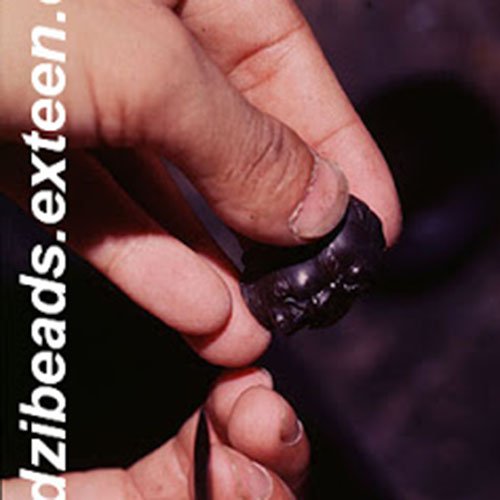


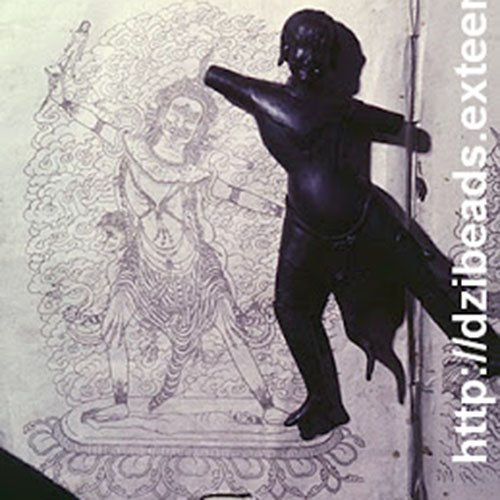




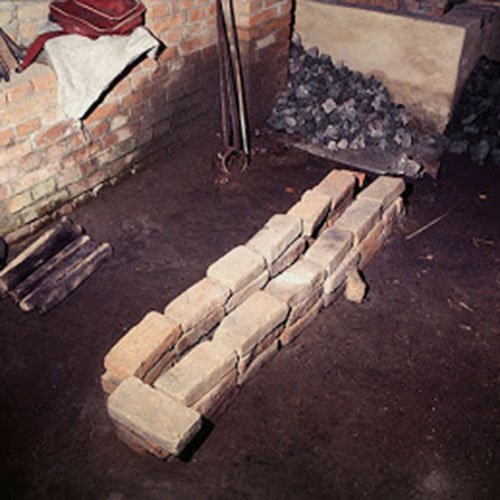
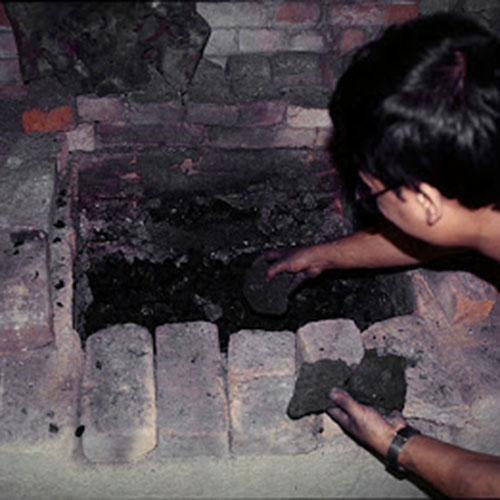

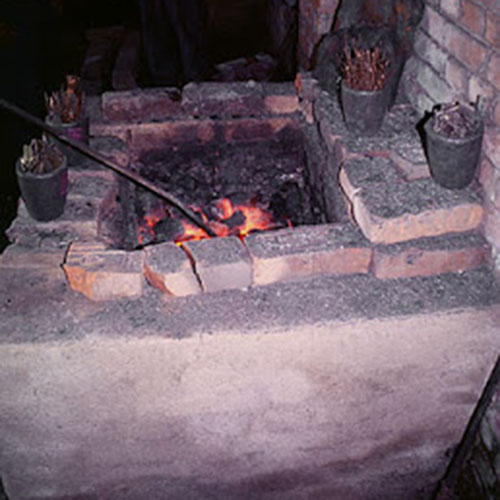
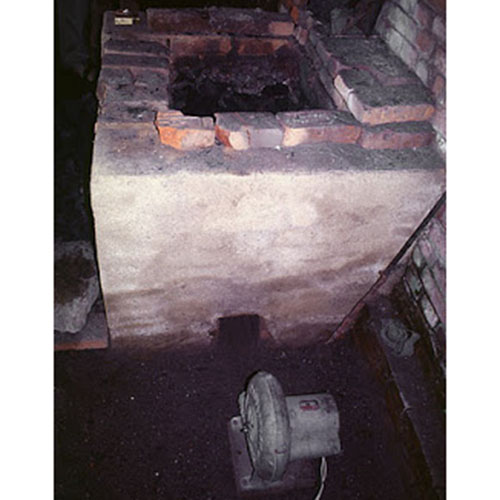
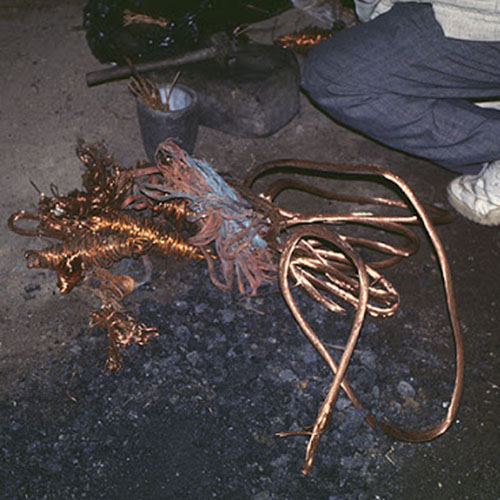
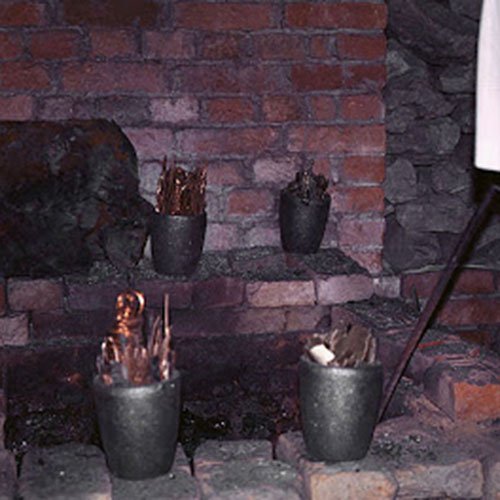
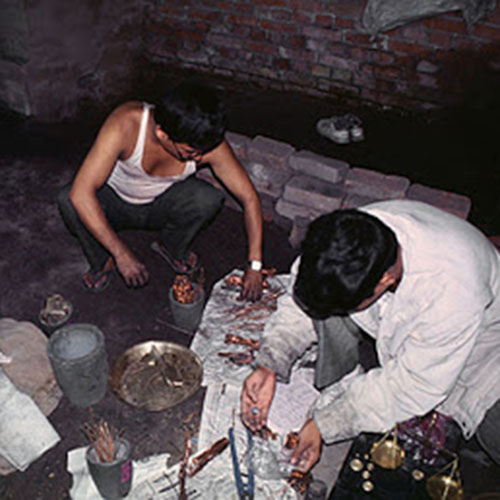


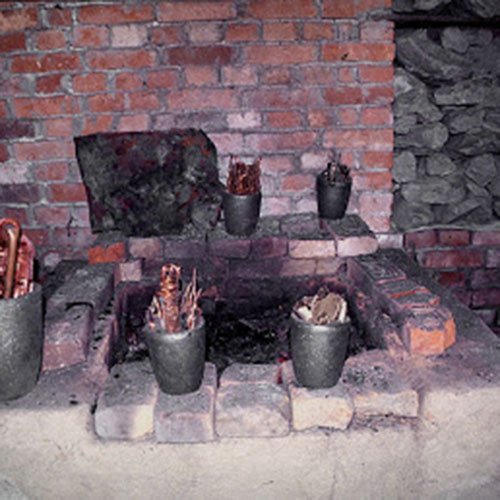


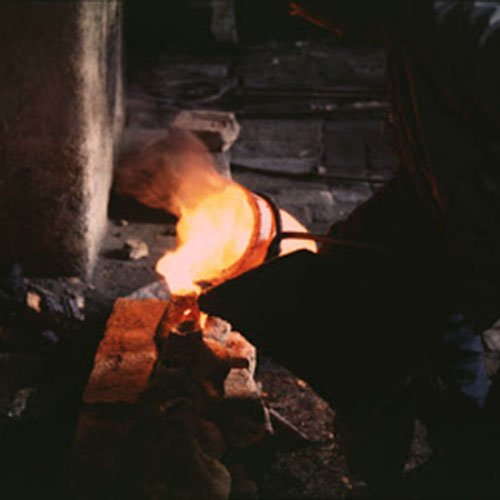


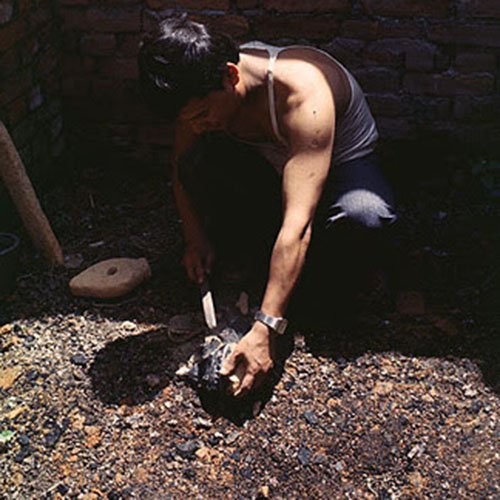

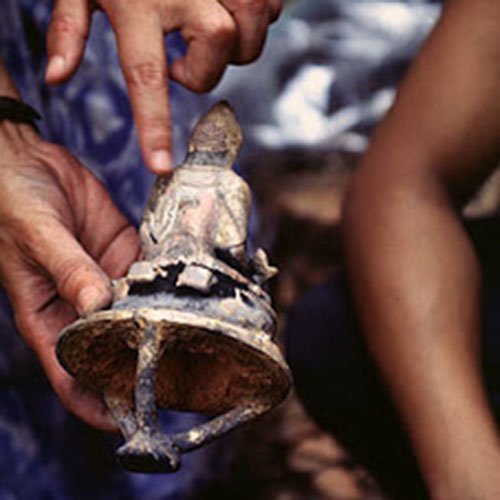

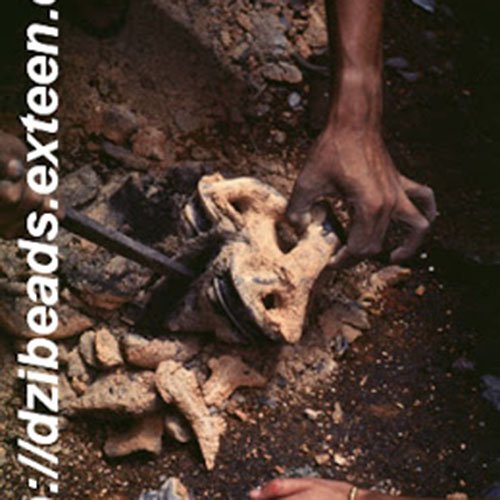


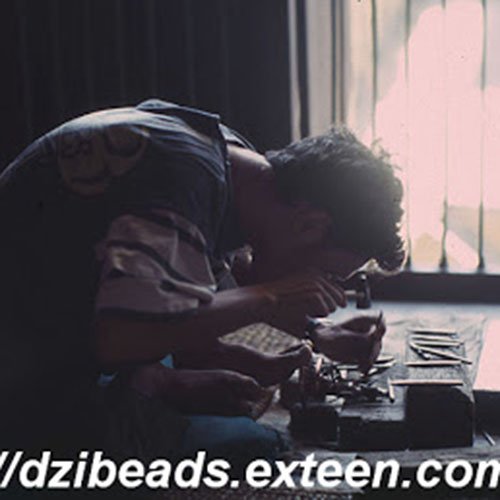


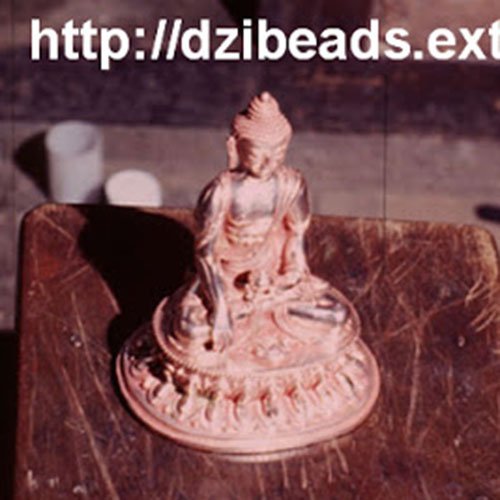
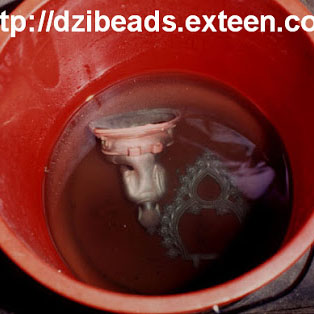
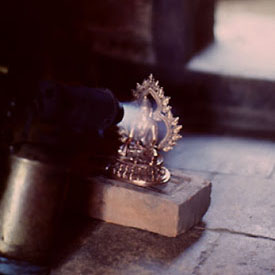
1. Head Ornaments (Ushnisha & Urna)
Visual Appearance: The top of the head features a prominent cranial bump (ushnisha), crowned with a flaming or jewel-like finial. Between the eyebrows rests a small, circular dot or inlaid gem (urna).Symbolic Meaning: The ushnisha represents absolute spiritual enlightenment and cosmic wisdom. The urna symbolizes the "third eye" of spiritual vision, capable of seeing past the illusions of duality.
Significance in Tibetan Buddhism: These features distinguish a fully awakened being. In longevity rituals (tse-dup), meditators visualize light radiating from Aparimitaâs urna to purify the practitioner's lifeforce obstacles.
Nepalese Artisan Technique: In Patan (Lalitpur), Newar masters use fine chasing chisels to define the subtle curve of the urna. On high-end gilt-bronze pieces, the urna is precisely drilled to accept a true turquoise or coral cabochon inlay.
2. The Five-Pointed Crown (Mukuta)
Visual Appearance: An ornate, five-lobed crown sits atop the brow, often featuring intricate filigree work and embedded gemstones.Symbolic Meaning: The five leaves symbolize the transmutation of the five primary human delusions (ignorance, attachment, anger, pride, and jealousy) into the Five Transcendent Wisdoms of the Buddha families.
Significance in Tibetan Buddhism: The crown signifies that Aparimita manifests in the Sambhogakaya (the subtle body of bliss), allowing him to communicate directly with highly realized bodhisattvas.
Nepalese Artisan Technique: Crafted using the lost-wax casting method (cire perdue). Artisans carve the tiny, interconnected leaves out of pure beeswax mixed with resin, ensuring the spaces between the filigree remain perfectly open after the molten bronze is poured.
3. Hair Style (Jata-Mukuta)
Visual Appearance: Aparimita's long, dark hair is divided. Part of it is bound up into an elegant topknot behind the crown, while loose tresses cascade gracefully over his shoulders and upper arms.Symbolic Meaning: The bound topknot signifies yogic mastery, self-discipline, and the containment of spiritual energy, while the flowing tresses represent his active, compassionate engagement with the worldly realm.
Significance in Tibetan Buddhism: Unlike historical Buddhas who cut their hair to denote renunciation, the prince-like hairstyle highlights that enlightenment can coexist with rich, cosmic activity.
Nepalese Artisan Technique: Master sculptors paint the hair with a traditional blue pigment made from pulverized lapis lazuli mixed with yak-hide glue, contrasting sharply against the gold-gilded skin.
4. Eyes
Visual Appearance: Half-closed, elongated, and almond-shaped. The upper lids trace a gentle, fluid curve down toward a serene gaze.Symbolic Meaning: The half-open eyes reflect a state of perfect balanceâlooking simultaneously inward toward absolute meditative emptiness (shunyata) and outward with active compassion toward suffering beings.
Significance in Tibetan Buddhism: This expression avoids the extremes of worldly distraction (wide open) and complete withdrawal (completely closed), a visual reminder of the Middle Way.
Nepalese Artisan Technique: The "Opening of the Eyes" (Mekha Jyoti) is a sacred ritual. Artisans paint the whites and pupils using an incredibly fine bamboo brush and cold-gold paint mixed with organic minerals, bringing the statue to life.
5. Ears and Ear Ornaments
Visual Appearance: Elongated earlobes stretched by heavy, circular or wheel-shaped earrings (kundala), often touching the shoulders.Symbolic Meaning: Stretched lobes recall Siddhartha Gautama's renunciation of royal wealth (discarding heavy gold jewelry). The earrings represent the pristine capacity to hear the cries of suffering throughout the universe.
Significance in Tibetan Buddhism: In Vajrayana, long ears signify a lineage holder who accurately receives and preserves the whispered oral transmissions (nyen-gyud) from master to disciple.
Nepalese Artisan Technique: Ear ornaments are cast as a single piece with the head or separately attached using hidden mortise-and-tenon joints. Artisans polish the inner curves with fine files to create a reflective, flawless finish.
6. Royal Jewelry (The 8 Silken & 13 Jewel Ornaments)
Visual Appearance: Aparimita is adorned with necklaces, armlets, bracelets, and anklets patterned with floral filigree and teardrop gems.Symbolic Meaning: The jewelry maps to the Six Paramitas (Generosity, Ethics, Patience, Effort, Concentration, and Wisdom). They indicate that spiritual realization is the true, ultimate wealth.
Significance in Tibetan Buddhism: This imagery acts as a visual template for "Deity Yoga," where practitioners visualize themselves wearing these same ornaments to internalize the qualities they represent.
Nepalese Artisan Technique: Using a technique called repoussé or fine chasing, craftsmen use tiny iron stamps to repeatedly strike the cold metal from the front and back, raising microscopic beads of metal that mimic real pearls and diamonds.
7. Silken Robes (Dhoti)
Visual Appearance: A fine, sheer silk garment drapes around his lower body, flowing out into soft folds around the lap. Sashes wrap around his waist and float elegantly behind his shoulders like ethereal ribbons.Symbolic Meaning: The lightness and flexibility of the silks represent the unhindered, fluid nature of an enlightened mindâunbound by rigid concepts.
Significance in Tibetan Buddhism: The beautiful, flowing sashes emphasize the dynamic nature of compassion, illustrating that nirvana is not static or cold, but warm and actively expressive.
Nepalese Artisan Technique: To create the illusion of weightless silk on heavy bronze, Newar masters engrave intricate, repeating floral and geometric patterns directly onto the cast metal using ultra-fine engraving needles.
8. The Vase of Immortality (Tshe-Bum)
Visual Appearance: Aparimita's defining attribute. He holds an ornate, long-necked vase (amrita-kalasha) resting in his palms. The top of the vase is stopped with a sprig of a sacred ashoka tree or a cluster of three flaming jewels.Symbolic Meaning: The vase contains amrita, the nectar of deathless primordial wisdom. The ashoka leaves represent freedom from grief and the eradication of premature death.
Significance in Tibetan Buddhism: The central focus of longevity practices. Practitioners mentally visualize drinking the streaming nectar from this vase to replenish diminished life-force (la), health, and merit.
Nepalese Artisan Technique: The vase is typically cast as a separate, detachable piece. This allows the artisan to cleanly apply 24-karat gold plating to the vessel's body and delicately paint the flame finial with pure pigments.
9. Hand Gesture (Dhyana Mudra)
Visual Appearance: Both hands rest flat in his lap, palms facing upward, with the right hand placed gently over the left. The tips of the thumbs lightly touch to form a soft triangle.Symbolic Meaning: The mudra of meditative absorption and inner equilibrium. It signifies the perfect union of method (right hand) and wisdom (left hand).
Significance in Tibetan Buddhism: This specific mudra anchors the chaotic energies of the body's subtle channels, allowing the practitioner to rest the mind in the natural, spacious state of clarity.
Nepalese Artisan Technique: Casting hands with perfectly soft, realistic fingers requires incredible skill. Artisans hand-carve the wax model with minute detail, ensuring that the spacing between the fingers allows for natural light transmission once cast.
10. Lotus Seat (Padmasana)
Visual Appearance: Aparimita sits atop a stylized, circular base composed of overlapping, double-layered lotus petals pointing both upward and downward.Symbolic Meaning: The lotus grows from the dark, murky mud of samsara but blooms pristine and unstained above the water. It represents spontaneous spiritual birth and absolute purity.
Significance in Tibetan Buddhism: Sitting on a lotus platform proves that the deity functions directly within our flawed world without ever being corrupted or compromised by worldly afflictions.
Nepalese Artisan Technique: Newar craftsmen treat every single petal as an individual sculpture. They cut, file, and polish each petal tip uniformly, a process that can take days of concentrated hand-chasing for a single medium-sized statue.
11. Body Posture (Vajrasana)
Visual Appearance: Seated in the full-lotus or adamantine posture (vajrasana), with both legs tightly crossed and the soles of both feet facing squarely upward toward the sky.Symbolic Meaning: Represents unshakeable stability, immutability, and absolute grounding. It is the posture of ultimate victory over the forces of delusion.
Significance in Tibetan Buddhism: This physical posture aligns the body's internal wind systems (lung), facilitating a direct, stable entryway into deep, transformative meditation states.
Nepalese Artisan Technique: Achieving a balanced, symmetrical posture is critical. Artisans use classical grid lines (iconometry) derived from ancient Sanskrit texts (Sadhanamala) to ensure the head, spine, and crossed legs align with geometric precision.
12. Color Symbolism (Red)
Visual Appearance: In traditional thangka paintings and colored sculptures, Aparimita's skin is rendered in a deep, radiant ruby-red.Symbolic Meaning: Red belongs to the Padma (Lotus) family, representing the element of fire and the transformation of passionate desire or attachment into the Wisdom of Discriminating Awareness.
Significance in Tibetan Buddhism: Red is the color of magnetism, warmth, and vitality. It draws in long life, abundant health, and spiritual merit, magnetizing positive external conditions for practice.
Nepalese Artisan Technique: For metallic statues, this deep warmth is achieved either by fire-gilding with mercury and 24K gold (which gives a rich, deep hue) or by applying a specialized copper patina using traditional organic acid baths.
13. Sacred Attributes (Aura and Halo)
Visual Appearance: Statues are often framed by an elaborate, detachable backrest ringed with flames (prabhamandala) or an oval halo surrounding the head.Symbolic Meaning: The ring of fire represents the intense heat of spiritual discipline (tapas) that burns away the structural impurities of ignorance.
Significance in Tibetan Buddhism: The halo represents the non-physical radiance of an enlightened mind, showing that a Buddha's active influence extends far beyond the physical boundaries of their body.
Nepalese Artisan Technique: These backrests are often created using master-level repoussé work. Flat sheets of copper are hammered iteratively over pitch bowls, resulting in high-relief depictions of makaras, garudas, and curling flames.
What is the difference between Amitabha and Aparimita (Amitayus)?
Why is Aparimita practiced for long life?
How can you tell a high-quality Nepalese Aparimita statue?
| Element | Visual Form | Core Symbolic Meaning |
| Crown (Mukuta) | Five-pointed ornamental tiara | Transformation of 5 delusions into 5 Wisdoms |
| Vase (Tshe-Bum) | Long-necked jar with ashoka leaves | Amrita (nectar) of infinite life and merit |
| Gesture (Mudra) | Double palms up, thumbs touching | Deep meditative absorption and inner balance |
| Skin Color | Radiant ruby-red | Discriminating wisdom; magnetizing energy |
| Seat (Padmasana) | Double-layered lotus pedestal | Rising pure and untouched out of samsaric mud |
Mantra of Amitayus
You may also want to read the related articles :
At Handmade Statue, we aim to provide a seamless and user-friendly experience. While our website is not a direct online shopping platform, we have a shopping cart system to make submitting your inquiries easy. Follow these steps to place your order:
Step 1: Browse Our Products
Explore our website to discover a wide range of authentic Nepali handicrafts, including statues, thangkas, singing bowls, wood carvings, jewelry, and more. Click on any product to view detailed descriptions and images.
Step 2: Add Items to Your Inquiry Cart
Click the “Add to Inquiry Cart” button for each product you are interested in. This will help you organize your selections conveniently.
Step 3: Review Your Inquiry Cart
Once you’ve added all your items, review your cart to ensure accuracy before submitting your inquiry.
Step 4: Submit Your Inquiry
Click the “Submit Inquiry” button. Fill out the form with your contact details, selected products, and any specific questions or customization requests.
Step 5: Communicate via Email
Since we don’t have an automated payment system, our team will respond to your inquiry via email. We’ll provide guidance, answer questions, and assist with customization requests.
Step 6: Finalize Your Order
Confirm all product details and customization options with our team. Once everything is finalized, we will provide secure payment instructions.
Step 7: Complete Your Payment
Make the payment through the provided method. After confirmation, we will process and prepare your order for shipment.
Step 8: Shipping and Delivery
We offer worldwide shipping. Once your order is dispatched, we will provide tracking details and shipping information.
Step 9: Receive and Enjoy Your Handicrafts
Unpack your beautiful handmade Nepali products and enjoy the craftsmanship and cultural heritage of Nepal.
Need Assistance?
If you face any issues or have questions while placing your order, contact us via email or mobile communication apps. Our team is dedicated to providing prompt support and a smooth ordering experience.
We hope this straightforward ordering process ensures a delightful and satisfying experience with Handmade Statue. Thank you for choosing us to connect you with the rich heritage of Nepali handicrafts.
Return Policy
We have a 7 days money back policy but buyer have to pay the return shipping charges.
Shipping
- Shipping cost is calculated, based on the shipping weight of the products ordered. THe normal Shipping cost is US$25 for upto 0.5 kgs weight
- We ship Worldwide, Except Russia and India.
- The deliver duration varies for international Shipping location. We normally dispatch the product in 2 -3 business days. Else Buyer will be infromed Personally about the shipping.
Related Products
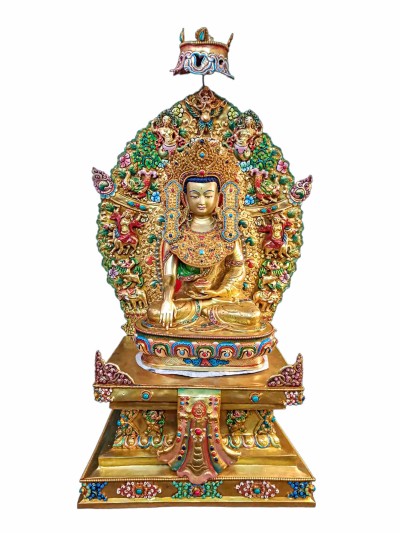
60cm Buddhist Handmade Statue Of Crown Shakyamuni Buddha On Throne, Full Fire Gold Plated, Stone Setting, Face Painted
Weight : 7kg | [27196]
US$3100
US$2480
You Save
US$620
(20%)
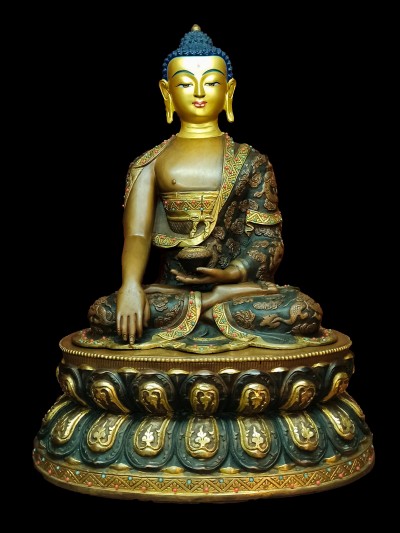
47cm Buddhist Statue Of Shakyamuni Buddha, Chocolate Oxidized, Stone Setting, Face Painted
Weight : 7kg | [24801]
US$2800
US$2240
You Save
US$560
(20%)
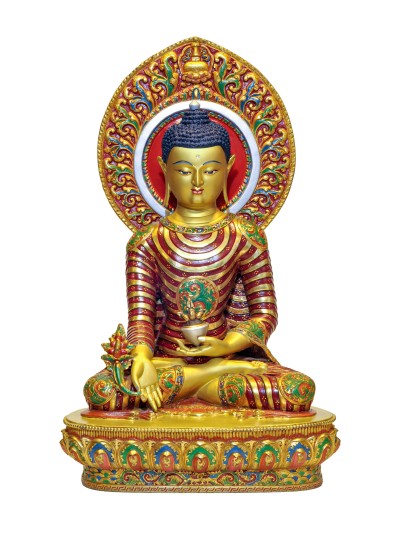
48cm High Quality, Tibetan Buddhist Handmade Statue Of Medicine Buddha, Full Fire Gold Plated, Face Painted, Traditional Color Finishing Di
Weight : 7.85kg | [27782]
US$6000
US$4800
You Save
US$1200
(20%)
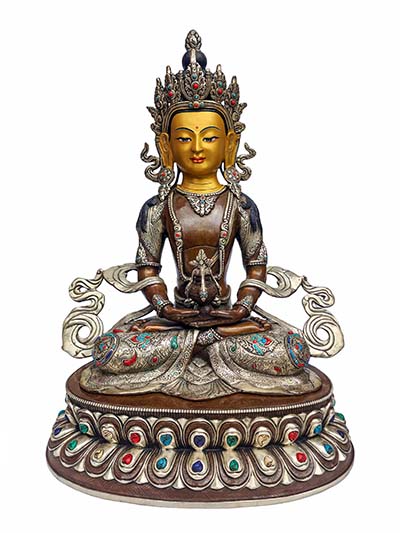
52cm Aparimita, Buddhist Handmade Statue, Silver And Chocolate Oxidized, Face Painted, Stone Setting, Amitayus, Chepame
Weight : 9.92kg | [29818]
US$1500
US$1200
You Save
US$300
(20%)
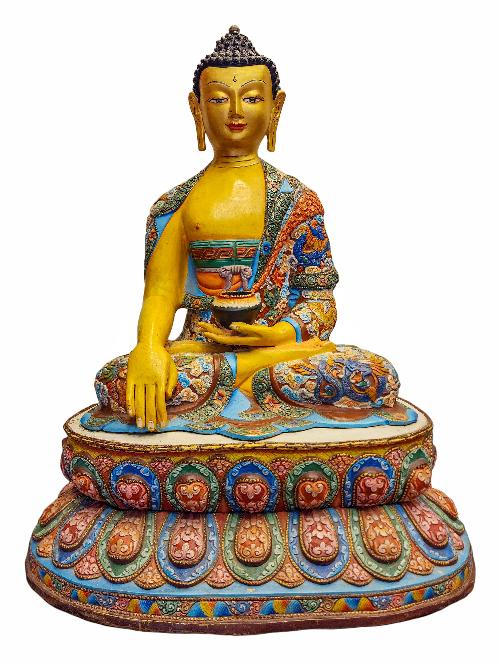
57cm Shakyamuni Buddha, Buddhist Handmade Statue, Face Painted, Traditonal Color Finishing With Additional Carving
Weight : 17kg | [32661]
US$1500
US$1200
You Save
US$300
(20%)
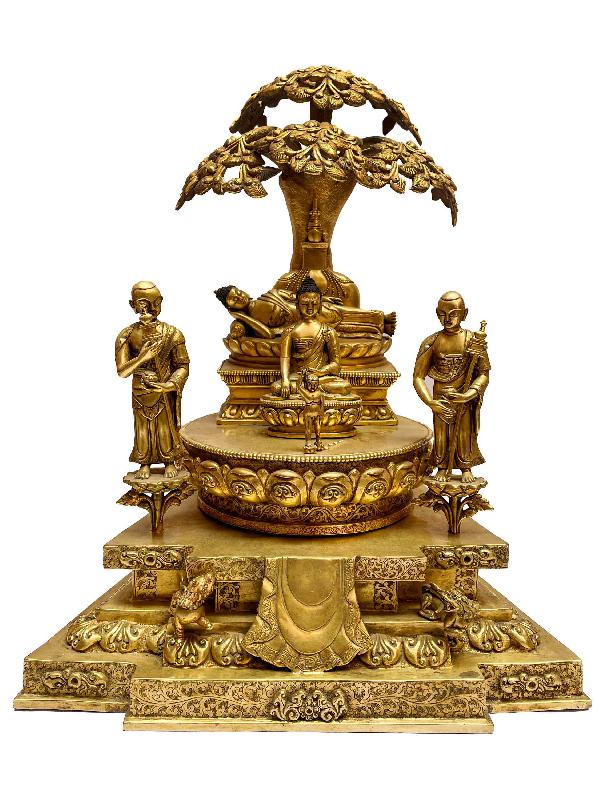
43cm Master Quality, Buddhist Statue Of Buddha Nirvana, Full Gold Plated
Weight : 10kg | [24499]
US$5000
US$4000
You Save
US$1000
(20%)
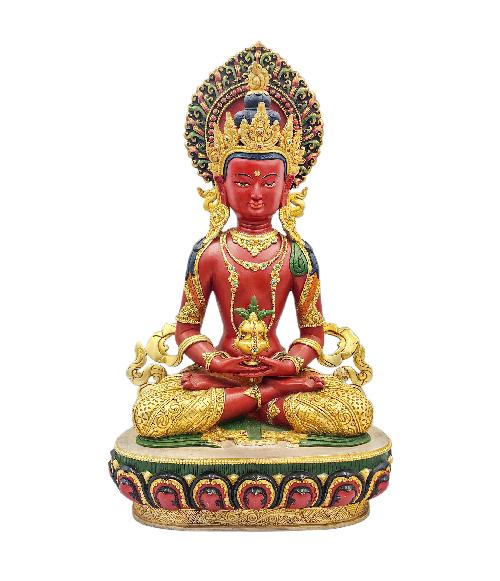
41cm Aparimita Buddhist Handmade Statue, Gold Plated, Thangka Color Finish, Stone Setting
Weight : 5.49kg | [35384]
US$4375
US$3720
You Save
US$655
(15%)
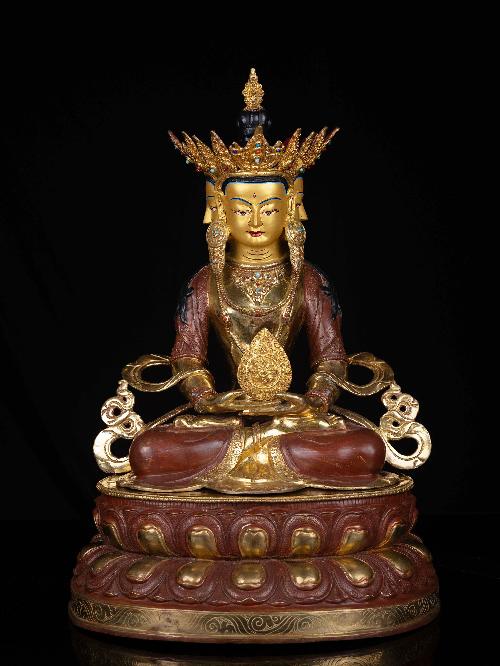
50cm Vairochana Buddha Buddhist Handmade Statue, Partly Gold Plated, Face Painted
Weight : 10.87kg | [35645]
US$2710
US$2305
You Save
US$405
(15%)