![[amitabha Buddha] Handmade Nepali Buddhist Statue, [full Gold Plated], [face Painted]](https://www.handmadeexpo.com/pics/product/37431.jpg)

![[amitabha Buddha] Handmade Nepali Buddhist Statue, [full Gold Plated], [face Painted]](https://www.handmadeexpo.com/pics/product/thumb/37431.jpg)
![[amitabha Buddha] Handmade Nepali Buddhist Statue, [full Gold Plated], [face Painted]](https://www.handmadeexpo.com/pics/product/thumb/37431_0.jpg)
![[amitabha Buddha] Handmade Nepali Buddhist Statue, [full Gold Plated], [face Painted]](https://www.handmadeexpo.com/pics/product/thumb/37431_1.jpg)
![[amitabha Buddha] Handmade Nepali Buddhist Statue, [full Gold Plated], [face Painted]](https://www.handmadeexpo.com/pics/product/thumb/37431_2.jpg)
![[amitabha Buddha] Handmade Nepali Buddhist Statue, [full Gold Plated], [face Painted]](https://www.handmadeexpo.com/pics/product/thumb/37431_3.jpg)
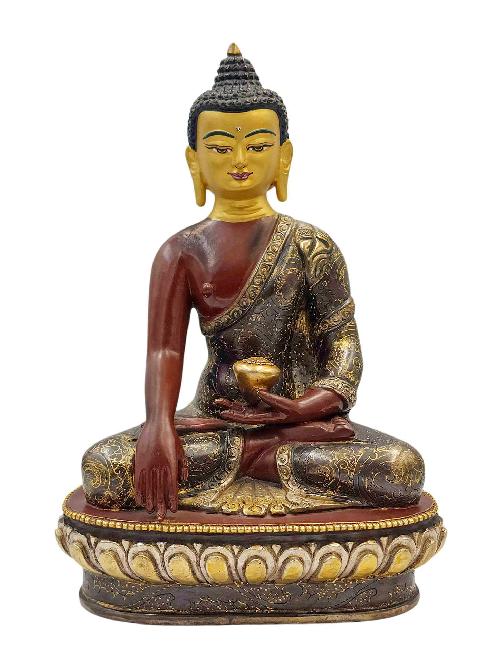
Amitabha Buddha Handmade Nepali Buddhist Statue, Full Gold Plated, Face Painted
Opame
Among the vast pantheon of enlightened beings in Mahayana Buddhism, few figures evoke as much profound devotion, hope, and artistic beauty as Amitabha Buddha. Known as the Buddha of Infinite Light and Infinite Life, Amitabha stands as a beacon of universal salvation, promising an accessible path to enlightenment for all sentient beings, regardless of their karmic status.
For beginners, Amitabha represents an entry point into a compassionate spiritual ecosystem. For seasoned practitioners, researchers, and collectors of Buddhist art, he embodies the absolute transformation of human desire into all-discerning wisdom. This article explores the rich scriptural origins, profound symbolism, intricate iconography, and enduring cultural practices surrounding Amitabha Buddha.
Why Amitabha Buddha is Revered in Mahayana Buddhism
In the Mahayana tradition, the path to liberation is built on the twin pillars of wisdom (prajna) and compassion (karuna). Amitabha Buddha is the ultimate manifestation of these principles. Unlike historical Buddhas who taught within the constraints of our physical world, Amitabha rules over a pristine celestial realm. His cross-cultural veneration bridges distinct geographies, from the high-altitude monasteries of Tibet and Nepal to the sprawling temples of China, Japan, and Vietnam.
His Importance in Pure Land Buddhism
Amitabha Buddha is the central figure of Pure Land Buddhism, one of the most widely practiced traditions in East Asia. The core tenet of this school is remarkably egalitarian: liberation from the cycle of rebirth (samsara) does not require decades of rigorous asceticism or complex intellectual mastery. Instead, through single-minded faith, devotion, and the recitation of Amitabhaâs sacred name, anyone can secure rebirth in his paradise, Sukhavati.
What Does Amitabha Mean?
The name "Amitabha" carries layers of metaphysical and symbolic significance rooted in ancient Sanskrit. Breaking down the linguistic components reveals why this cosmic figure holds such power over the human imagination.
Sanskrit Meaning
The word AmitÄbha is a Sanskrit compound:
Amita: Boundless, unmeasured, or infinite.
Äbha: Light, splendor, or radiance.
Therefore, Amitabha translates directly to "Infinite Light" or "Boundless Splendor."
A closely related aspect of this deity is AmitÄyus, a compound of Amita and Äyus (Life). Thus, he is simultaneously the Buddha of "Infinite Life." While East Asian traditions generally view Amitabha and Amitayus as the same entity under the name Amida, Himalayan art and Vajrayana Buddhism distinguish them visually based on their active roles in ritual practice.
Symbolic Significance of Light and Life
In Buddhist philosophy, "Light" is not merely physical illumination; it is a universal metaphor for wisdom that dispels the darkness of ignorance (avidya). Amitabhaâs boundless light shines universally, penetrating the deepest psychological shadows of sentient beings.
"Life," on the other hand, symbolizes his infinite compassion and skillful means (upaya). His vow to save living beings is timeless, extending across past, present, and future kalpas (cosmic eons). Together, Infinite Light and Infinite Life represent an unshakeable spiritual refuge.
Gold Painted Face
The face of Amitabha Buddha is painted with gold to enhance its significant features, particularly the eyes, and lips. This detailed painting is essential as it brings forth the crucial attributes of the expression of eyes and lips that metal carving alone cannot capture.Moreover, the painted face serves as a symbolic and sacred ritual in Buddhism, preparing the statue for consecration and practice. The act of painting the face with gold in Buddhism holds deep meaning. It represents the intention to bring life and expression to the statue, imbuing it with a sense of vitality and presence. The application of gold on the face showcases the devotion and craftsmanship of the artisans, ensuring that every detail is carefully attended to honor the sacred essence of the Amitabha Buddha. Read More . . .
Full Fire Gold Plating
This Amitabha Buddha is finished with full gold plating. also known as mercury gold plating or fire gold plating. This traditional technique involves the application of a genuine layer of gold onto the Amitabha Buddha. Referred to as mercury gold plating, it is considered the correct and authentic form of gold plating in Nepal. Despite being more expensive than electroplating, this traditional mercury gold plating is gaining popularity again in Nepal. People are drawn to its authenticity, longevity, and the unmatched beauty it brings to the Amitabha Buddha. The resurgence of interest in this traditional form of gold plating reflects a growing appreciation for the craftsmanship and cultural heritage of Nepal Read More . . .Lost-Wax System
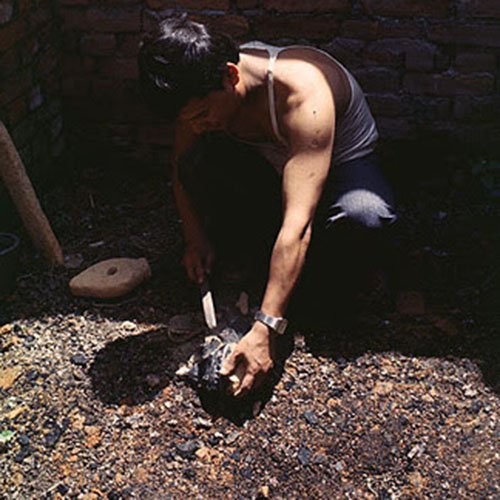
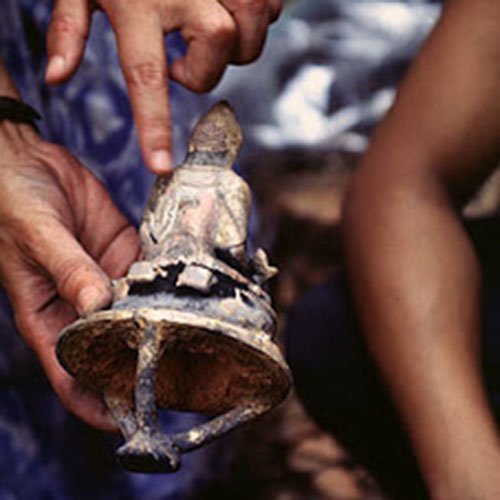
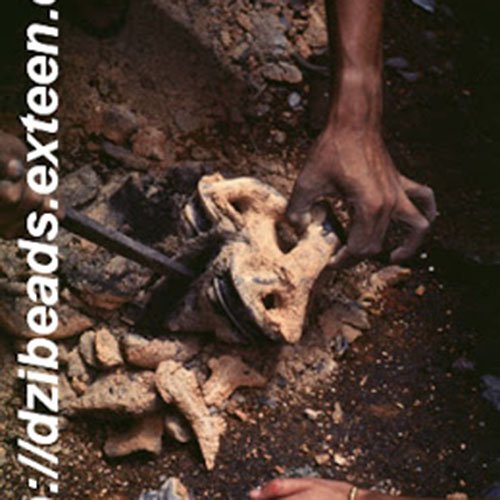
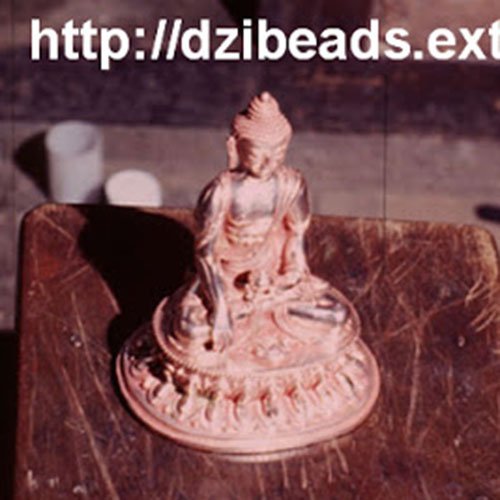
This Buddha of Amitabha Buddha is made by the process of the Lost Wax system. This is a very complicated, time consuming and historic process of making metal sculptures.Which is why it is sometimes called Precision Casting as well. Hence the sculptures made by this process are comparatively expensive. There are many new, advanced and less time consuming methods of casting metal sculptures available as well. But due to the benefits provided by the traditional lost wax system in quality control and customization, we prefer the Loss wax system over Ceramic molding, or sand casting to make our Buddha.Below we have tried to illustrate the process of making a loss wax system statue: Read More . . .
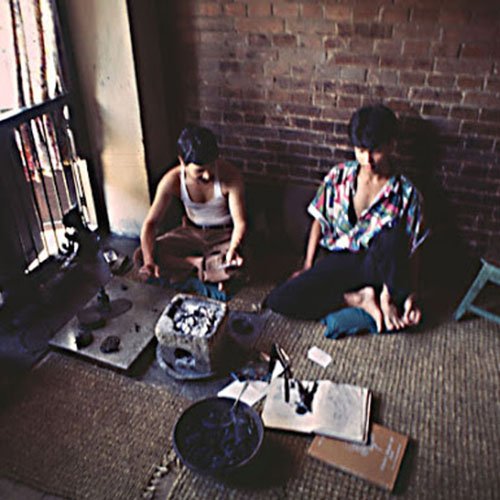
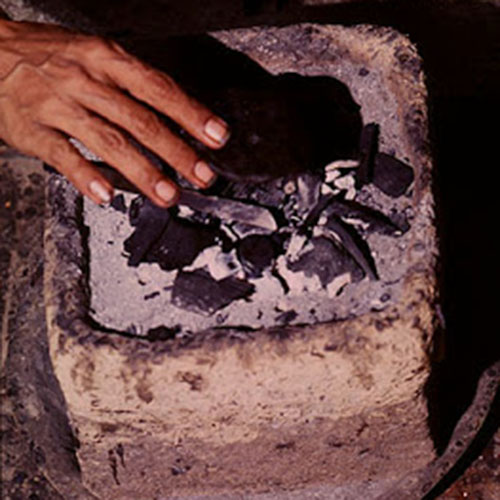




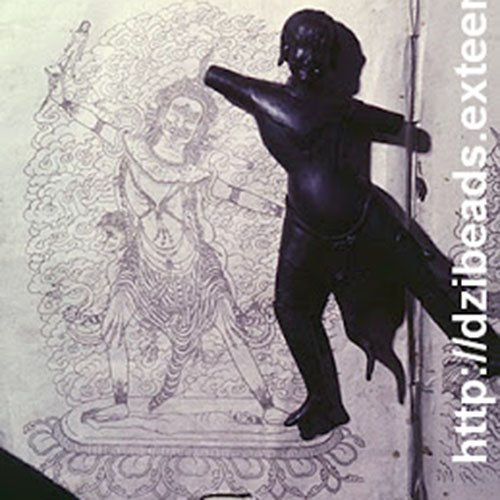


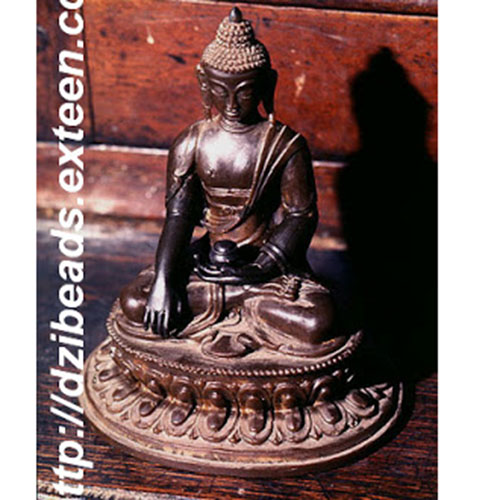

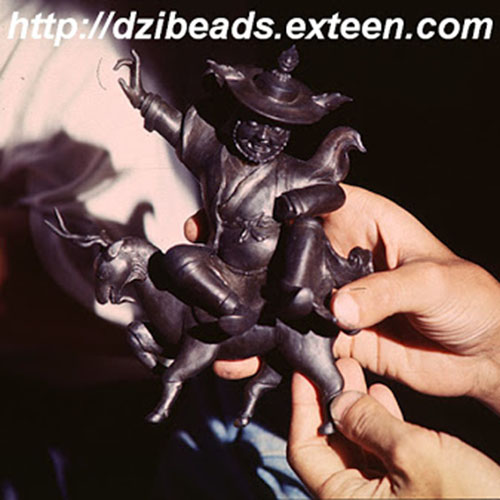
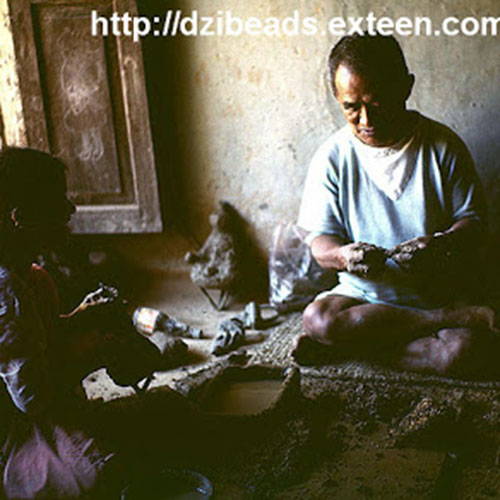
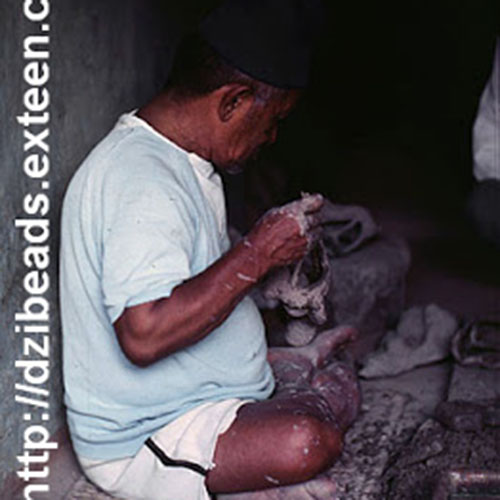

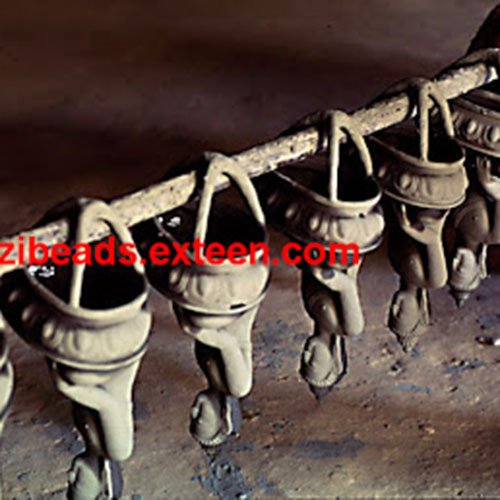
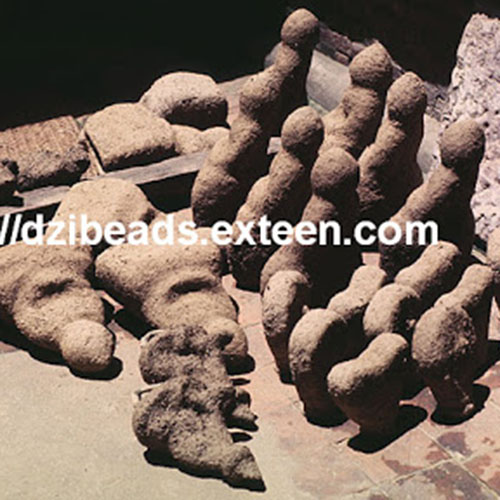
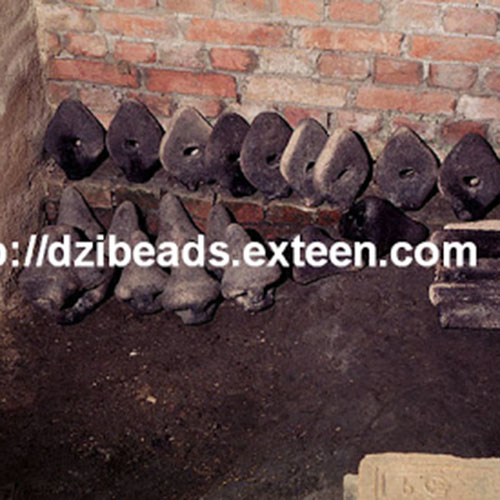
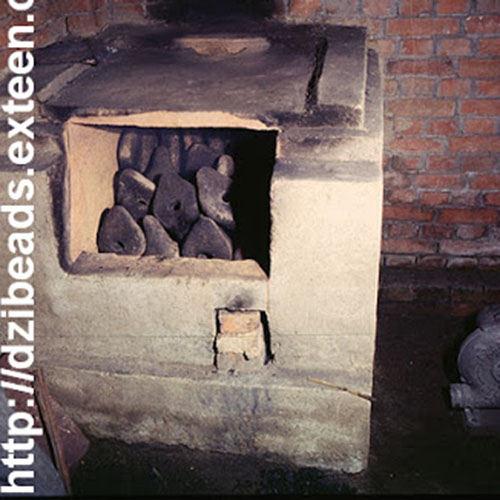
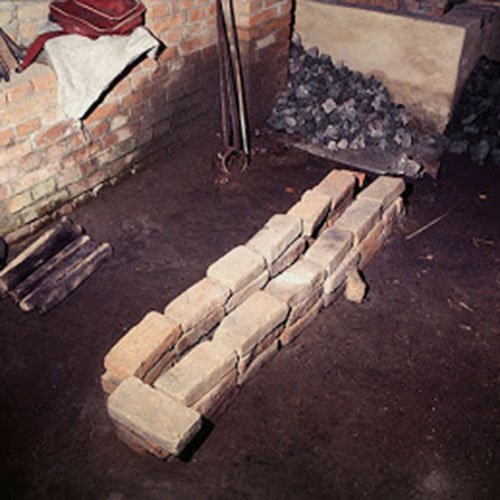
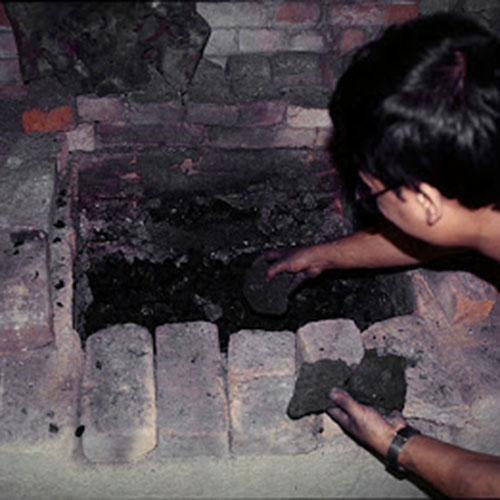

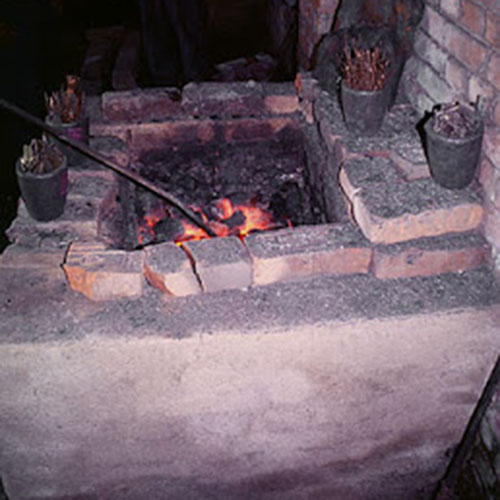
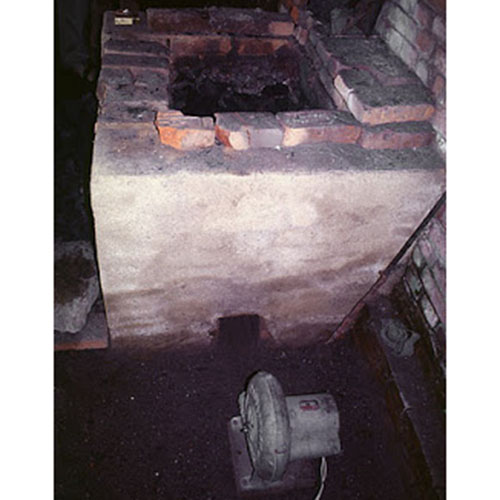
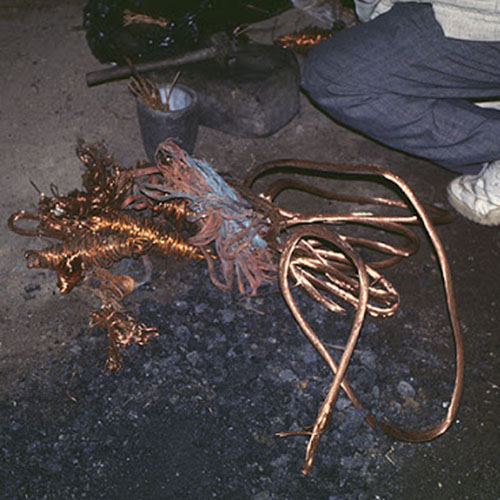
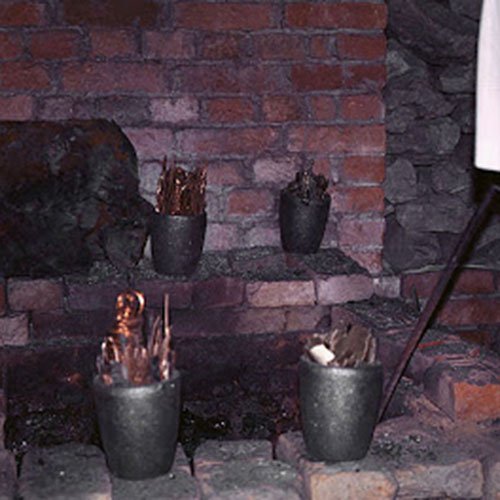
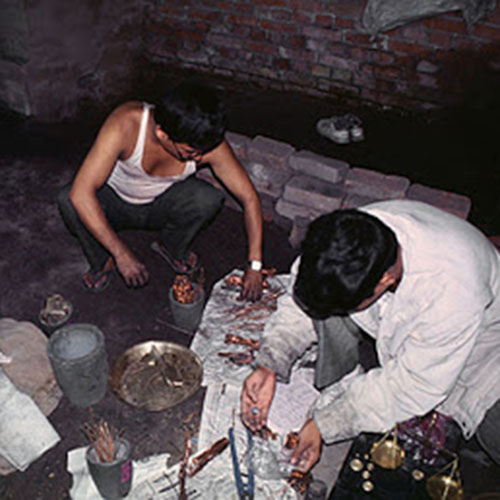


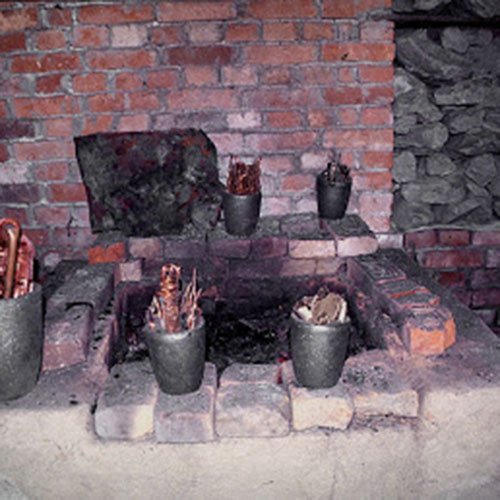
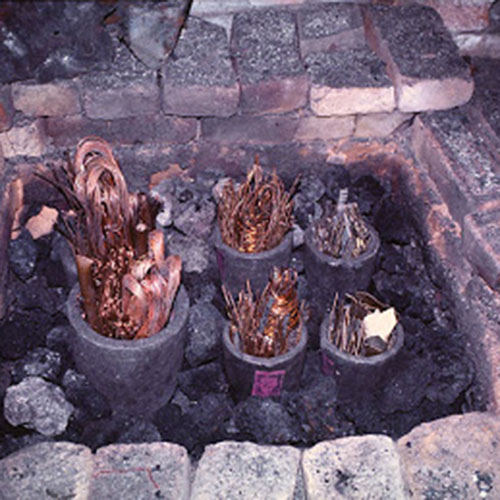
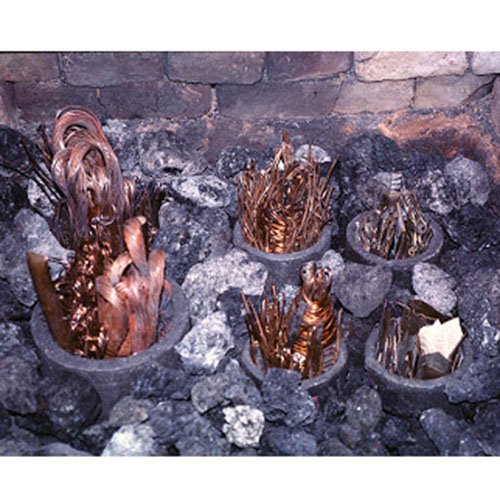

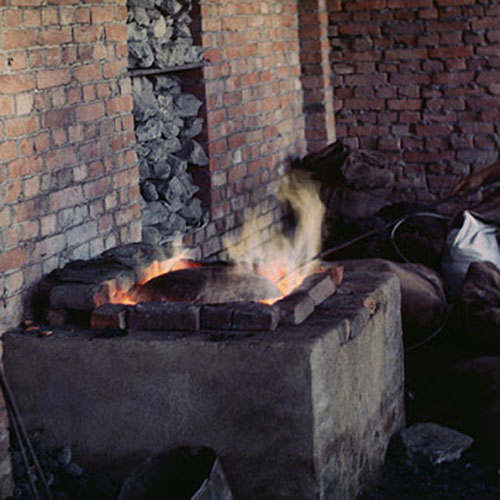

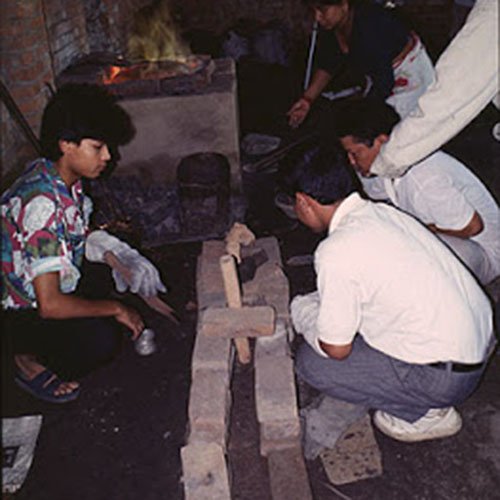
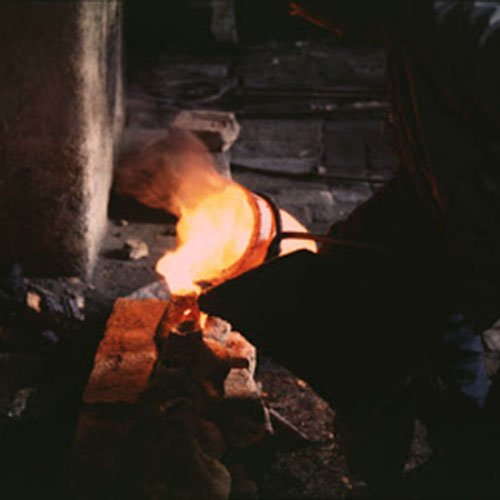









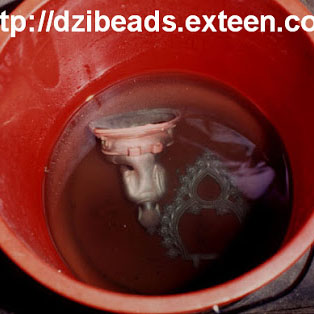
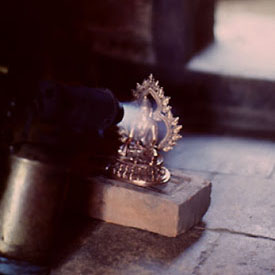
History and Origin of Amitabha Buddha :
The spiritual lineage of Amitabha Buddha is preserved across key Sanskrit texts that emerged around the 1st century BCE to the 1st century CE. These texts form the foundational bedrock of Pure Land literature.
Scriptural Origins: The Three Pure Land Sutras
The narrative and theological framework of Amitabha Buddha rests primarily on three sacred texts:
The Larger SukhÄvatÄ«vyÅ«ha SÅ«tra (Infinite Life Sutra): This foundational text delivers the detailed cosmic backstory of Amitabha. It describes his time as a monk, his profound vows, and the creation of his immaculate realm, Sukhavati.
The Smaller SukhÄvatÄ«vyÅ«ha SÅ«tra (Amitabha Sutra): A concise, highly influential text that describes the sensory and spiritual marvels of the Western Pure Land. It emphasizes the practice of holding Amitabhaâs name in mind with undistracted devotion.
The AmitÄyurdhyÄna SÅ«tra (Contemplation Sutra): This text outlines sixteen complex visualization practices designed to help meditators perceive Amitabha, his attendant bodhisattvas, and the layers of the Pure Land.
The Story of Dharmakara Bodhisattva
According to the Larger Sukhavativyuha Sutra, eons ago, a king encountered the teachings of the Buddha Lokesvararaja. Moved by profound empathy for the suffering of worldly beings, the king abdicated his throne, took monastic vows, and adopted the name Dharmakara ("Dharma Treasury").
Dharmakara spent lifetimes practicing the paramitas (perfections). Under the guidance of Lokesvararaja, he surveyed countless buddha-fields across the cosmos, distilling the finest qualities of each to design a perfect, uncorrupted paradise where beings could achieve enlightenment without suffering any spiritual setbacks.
The 48 Vows
Before attaining full buddhahood, Dharmakara made 48 monumental vows before his teacher. He declared that he would not accept ultimate enlightenment unless each vow was perfectly fulfilled.
The most revolutionary of these is the 18th Vow, often called the Primal Vow:
"If, when I attain Buddhahood, sentient beings in the lands of the ten directions who sincerely trust themselves to me, desire to be born in my land, and think of me even ten times, should not be born there, may I not attain perfect Enlightenment."
Through the fulfillment of these vows, Dharmakara became Amitabha Buddha, establishing the Western Pure Land of Sukhavati, which has been open to all seekers for the past ten eons.
Amitabha Buddha Iconography
For art collectors and practitioners alike, understanding Amitabha iconography is essential for distinguishing him from other cosmic or historical Buddhas. Buddhist art utilizes precise physical postures and symbolic implements to convey specific internal states.
Facial Expression and Proportions
Amitabha is depicted with an expression of absolute serenity, equilibrium, and deep meditative absorption. His eyes are half-closed, gazing inward yet subtly downturned toward sentient beings in a look of unconditional compassion. He features standard lakshanas (physical marks of a Buddha), including elongated earlobes (symbolizing his renunciation of royal wealth) and the ushnisha (the cranial bump representing supreme spiritual wisdom).
Body Posture and Mudra
Amitabha is almost exclusively depicted seated in the full Padmasana (lotus posture or meditation posture), with his legs tightly crossed and the soles of both feet facing upward.
His most defining feature is the Dhyana Mudra (the gesture of meditation):
Both hands rest flat in his lap, palms facing upward.
The right hand rests gently on top of the left hand.
In many traditions, the tips of the thumbs lightly touch, forming a mystic triangle that represents the burning away of worldly impurities.
Robes, Halo, and Lotus Throne
He wears the simple, unadorned robes of a traditional Buddhist monk, indicating his complete transcendence of ego and material attachment. Behind his head and body spin brilliant halos and auras of light, typically painted in radiant gold, blue, or green to symbolize his pervasive spiritual energy.
He sits atop a multi-tiered lotus throne. The lotus flower signifies pristine purity: just as a lotus emerges from muddy waters completely unstained, a Buddha manifests within the chaos of samsara completely untouched by defilements.
The Begging Bowl and Lotus Symbolism
In his resting hands, Amitabha typically holds a begging bowl (patra). Unlike the simple iron alms bowl of historical monks, Amitabhaâs bowl is often depicted in sacred art as filled with the nectar of immortality (amrita), or it holds a single, blossoming lotus flower. The lotus flower represents the unfolding of the innate Buddha-nature within every human heart.
Regional Artistic Styles
The aesthetic depiction of Amitabha Buddha shifts gracefully across different Asian cultures:
Tibet and Nepal: In Himalayan art, Amitabha is rendered in a striking, deep red color. He is frequently depicted in Thangka paintings or cast as a Nepalese Buddhist statue using high-quality copper alloy with heavy gold gilding.
China and Japan: In East Asian representations (known as Amida Fo or Amida Nyorai), he is often portrayed with golden skin rather than red. In addition to the seated meditation posture, he is frequently shown standing, stepping forward to welcome dying souls into the Pure Land (Raigo paintings).
Symbolism of Amitabha Buddha :
Every element of Amitabhaâs visual presentation functions as a psychological map, pointing toward profound truths within Buddhist philosophy.
The Sacred Red Color
In Vajrayana tantric systems, Amitabha is associated with the color red. Red represents the element of fire, matching the warmth of intense emotion and desire. Rather than suppressing desire, Amitabhaâs presence purifies it, transforming raw attachment and craving into all-discerning wisdom. Red also symbolizes magnetizing power, love, and royal dignity.
The Western Direction
Amitabha governs the Western quadrant of the cosmos. The West is intrinsically tied to the setting sun. Just as the sun sets in a brilliant display of red and gold light at the end of the day, Amitabha offers comfort, transition, and spiritual rebirth at the twilight of human life.
The Transformation of Desire
Human desire (raga) is one of the "Three Poisons" in Buddhism, alongside anger and delusion. Desire causes us to grasp onto fleeting things, creating suffering. Amitabha symbolizes the sublimation of this poison. By redirecting our desire away from mundane objects and toward the ultimate beauty of enlightenment, craving is converted into Pratyaveksana Jnanaâthe Wisdom of Specific Discrimination, which perceives the unique qualities of all things without attachment.
Amitabha Buddha Mantra
Chanting the sacred sound vibrations of Amitabha Buddha is a pillar of daily practice across multiple Buddhist traditions. These mantras align the practitioner's mind with the frequency of boundless light.
The Sanskrit Mantra
The foundational Sanskrit mantra used to invoke Amitabhaâs presence is:
Om: The universal primordial sound, awakening the body, speech, and mind.
Ami: Shortened form of Amitabha, invoking infinite light.
Dewa: Deity or enlightened being.
Hrih: The sacred seed syllable of Amitabha and Avalokiteshvara, representing the spark of compassion within the heart.
The East Asian Nembutsu
In Japanese Pure Land schools (such as Jodo Shu and Jodo Shinshu), the primary practice is the recitation of the Nembutsu:
This translates directly to: "I take refuge in Amitabha Buddha." Practitioners believe that reciting this phrase with deep sincerity connects their ordinary mind with Amitabha's cosmic vow, ensuring their safe passage to Sukhavati at death.
Proper Pronunciation and Benefits
Om Ami Dewa Hrih: Pronounced as Ohm Ah-mee Day-wah Hree.
Namu Amida Butsu: Pronounced as Nah-moo Ah-mee-dah Boo-tsu.
Spiritual benefits of this daily chanting practice include the purification of negative karma, the quietening of rampant desires, protection from negative external energies, and the culturing of an unshakeable inner peace.
Amitabha Buddha in Himalayan Art
For art collectors and curators, Nepalese Buddhist statues and Tibetan thangka paintings depicting Amitabha are highly prized for their deep spiritual resonance and extraordinary levels of precision.
How to Identify Amitabha Buddha
If you are browsing an art gallery or visiting a temple, look for these specific, distinguishing characteristics to immediately identify an Amitabha Buddha statue or painting:
- The Hand Position: His hands rest completely flat in his lap, one on top of the other, palms facing up (Dhyana mudra).
- The Sacred Vessel: He almost always holds a circular alms bowl resting neatly in the nest of his crossed hands.
- The Crimson Hue: In thangkas and mandalas, his skin is painted an unmistakable rich, vibrant red.
- The Assembly: He is frequently flanked by his two primary bodhisattva attendants: Avalokiteshvara (Chenrezig) on his right, representing compassion, and Vajrapani or Mahasthamaprapta on his left, representing spiritual power.
How to Place an Amitabha Buddha Statue at Home
- Placing a sacred image of Amitabha in your living space can completely shift the energetic profile of your home, cultivating an atmosphere of deep tranquility and mindful awareness.
- Directional Placement: Ideally, place the Amitabha statue facing East. This mirrors his position in the cosmic mandala, allowing him to look out from the West toward your space.
- Altar Elevation: Never place a Buddha statue directly on the floor. Position it respectfully on an elevated altar, shelf, or tabletop that sits well above waist level.
- The Meditation Room: If you have a dedicated room for yoga or meditation, Amitabha serves as an ideal focal point. Place him where you can clearly view his face while seated in meditation.
- Areas to Avoid: To maintain proper energetic boundaries, avoid placing sacred icons in bathrooms, kitchens, or directly at the foot of a bed. Keep the surrounding space clean, uncluttered, and free from daily distraction.
10 Interesting Facts About Amitabha Buddha
Eons of Practice: Amitabha spent countless lifetimes practicing as the monk Dharmakara before achieving full buddhahood.
- The King of Realms: His Western Pure Land, Sukhavati, is universally considered the most beautiful and easily accessible of all celestial buddha-fields.
- The Source of Avalokiteshvara: According to Mahayana texts, the beloved Bodhisattva of Compassion, Avalokiteshvara, was manifested directly from Amitabhaâs right eye (or heart).
- Egalitarian Salvation: Amitabhaâs path does not discriminate; even those with heavy negative karma can achieve rebirth in his realm through sincere practice.
- The Giant of Kamakura: The world-famous, monumental outdoor bronze Buddha statue in Kamakura, Japan, is a representation of Amitabha Buddha (Amida Nyorai).
- Lotus Rebirth: Beings reborn in Sukhavati do not undergo painful physical births; instead, they emerge gently inside closed lotus blossoms that open as their karma purifies.
- The Ultimate Transition Guide: In East Asian art, Amitabha is often shown physically descending to earth to guide dying practitioners home.
- An Array of Vows: While most Buddhas make a few core vows during their bodhisattva path, Amitabha forged 48 highly specific covenants to protect humanity.
- The Red Peacock: His traditional vahana (animal vehicle or throne mount) is the peacock, symbolizing his ability to consume the poisons of desire and transmute them into absolute beauty.
- The Shadow Figure of Amitayus: When depicted as Amitayus (Infinite Life), he exchanges his simple monastic robes for crown jewels and holds a vase containing the precious nectar of immortality.
Why Choose Handmade Amitabha Buddha Statues from Nepal? :
When you bring a Buddha of Infinite Light into your space, the origin of the artwork matters. Mass-produced statues often fail to capture the sacred proportions required by traditional Buddhist texts.
Handmade Amitabha Buddha statues from Nepal offer unparalleled authentic craftsmanship. Every piece is crafted by skilled artisans from generations of metalworking families. By choosing a lost-wax bronze statue, you are acquiring a piece of sacred art with correct traditional proportions and flawless sacred iconography.
Whether you are looking for an inspiring piece for your meditation room, temple, shrine, home altar, or personal collection, these bronze and copper statues are timeless. The exquisite fire gilding and hand-painted faces ensure that the divine energy of Amitabha is perfectly captured.
At HandmadeStatue.com, we pride ourselves on being a trusted source of authentic Himalayan Buddhist art, connecting you directly with the master craftsmen of Nepal.
The profound depth of Amitabha Buddha iconography transforms a simple statue into a powerful spiritual tool. By understanding the symbolism behind his deep red color, his peaceful Dhyana Mudra, and his seated Vajra posture, practitioners can deepen their meditation and connect with the boundless compassion of the Buddha of Infinite Light.
We invite you to explore our curated collection of authentic, hand-crafted Himalayan Buddhist statues. Visit HandmadeStatue.com today to find the perfect handmade Amitabha Buddha statue to illuminate your home and spiritual practice.
What People Want to Know About Amitabha Buddha :
Who is Amitabha Buddha?
Amitabha Buddha is a celestial Buddha of Mahayana Buddhism, recognized as the supreme ruler of the Western Pure Land of Sukhavati and the embodiment of infinite light, life, and compassion.
What does Amitabha mean?
The name Amitabha is derived from Sanskrit, translating directly to "Infinite Light" or "Boundless Splendor." It signifies his all-penetrating wisdom that dispels ignorance.
What is Amitabha Buddha known for?
He is best known for his 48 compassionate vows, particularly his promise to rescue any sentient being who calls upon his name, ensuring their spiritual rebirth in his pure realm.
What does Amitabha Buddha hold?
He typically holds an alms bowl resting in his lap, which symbolizes his openness to receive and his containment of the nectar of immortality or a pure lotus flower.
Why is Amitabha Buddha red?
In Vajrayana Buddhism, his ruby-red color represents the element of fire and his ability to transform the human poison of desire and attachment into all-discerning wisdom.
What is the Amitabha mantra?
His primary Sanskrit mantra is Om Ami Dewa Hrih. In East Asian traditions, the central chant is the Nembutsu: Namu Amida Butsu.
Is Amitabha Buddha real?
In Buddhist philosophy, Amitabha is understood as a cosmic, enlightened realityâan expression of ultimate truth (Dharmakaya) and the infinite potential for awakening that resides within the human mind.
What is the Pure Land?
The Pure Land (Sukhavati) is a celestial realm created by Amitabha's merit. It is an ideal spiritual oasis free from suffering, where beings can easily attain final nirvana.
How do you pray to Amitabha Buddha?
You can connect with Amitabha by setting up a clean altar, making basic offerings (light, incense, water), visualizing his red form, and mindfully chanting his sacred mantra.
What are Amitabha Buddha's 48 vows?
These are the sacred pledges made by Amitabha during his training as the monk Dharmakara, outlining his commitment to create a universal refuge for all suffering beings.
Is Amitabha the same as Amitayus?
Yes, they are essentially the same enlightened essence. Amitabha represents his aspect of infinite light and wisdom, while Amitayus emphasizes his aspect of infinite life and longevity.
Where should an Amitabha statue be placed?
Place the statue on an elevated shelf or altar facing East, keeping the surrounding area pristine, clean, and treated with respect.
What mudra does Amitabha use?
Amitabha uses the Dhyana Mudra, the classic gesture of deep meditation, where both hands rest flat in the lap, palms facing up, right hand on top of the left.
What are the benefits of chanting Amitabha's name?
Chanting his name quiets mental chatter, reduces intense attachment, purifies ancient negative karma, and brings deep mental clarity and inner peace.
How is Amitabha different from Shakyamuni Buddha?
Shakyamuni is the historical Buddha born on Earth who taught the Pali Canon, while Amitabha is a timeless, cosmic Buddha who governs a celestial pure land.
Mantra of Amitabha Buddha
You may also want to read the related articles :
Gold Plating in Statues | Making Process Of Metal Statues | Videos of statue Making Process | Service of Filling and blessing in Statue | Altering Finishing in StatueAt Handmade Statue, we aim to provide a seamless and user-friendly experience. While our website is not a direct online shopping platform, we have a shopping cart system to make submitting your inquiries easy. Follow these steps to place your order:
Step 1: Browse Our Products
Explore our website to discover a wide range of authentic Nepali handicrafts, including statues, thangkas, singing bowls, wood carvings, jewelry, and more. Click on any product to view detailed descriptions and images.
Step 2: Add Items to Your Inquiry Cart
Click the “Add to Inquiry Cart” button for each product you are interested in. This will help you organize your selections conveniently.
Step 3: Review Your Inquiry Cart
Once you’ve added all your items, review your cart to ensure accuracy before submitting your inquiry.
Step 4: Submit Your Inquiry
Click the “Submit Inquiry” button. Fill out the form with your contact details, selected products, and any specific questions or customization requests.
Step 5: Communicate via Email
Since we don’t have an automated payment system, our team will respond to your inquiry via email. We’ll provide guidance, answer questions, and assist with customization requests.
Step 6: Finalize Your Order
Confirm all product details and customization options with our team. Once everything is finalized, we will provide secure payment instructions.
Step 7: Complete Your Payment
Make the payment through the provided method. After confirmation, we will process and prepare your order for shipment.
Step 8: Shipping and Delivery
We offer worldwide shipping. Once your order is dispatched, we will provide tracking details and shipping information.
Step 9: Receive and Enjoy Your Handicrafts
Unpack your beautiful handmade Nepali products and enjoy the craftsmanship and cultural heritage of Nepal.
Need Assistance?
If you face any issues or have questions while placing your order, contact us via email or mobile communication apps. Our team is dedicated to providing prompt support and a smooth ordering experience.
We hope this straightforward ordering process ensures a delightful and satisfying experience with Handmade Statue. Thank you for choosing us to connect you with the rich heritage of Nepali handicrafts.
Return Policy
We have a 7 days money back policy but buyer have to pay the return shipping charges.
Shipping
- Shipping cost is calculated, based on the shipping weight of the products ordered. THe normal Shipping cost is US$25 for upto 0.5 kgs weight
- We ship Worldwide, Except Russia and India.
- The deliver duration varies for international Shipping location. We normally dispatch the product in 2 -3 business days. Else Buyer will be infromed Personally about the shipping.
Related Products
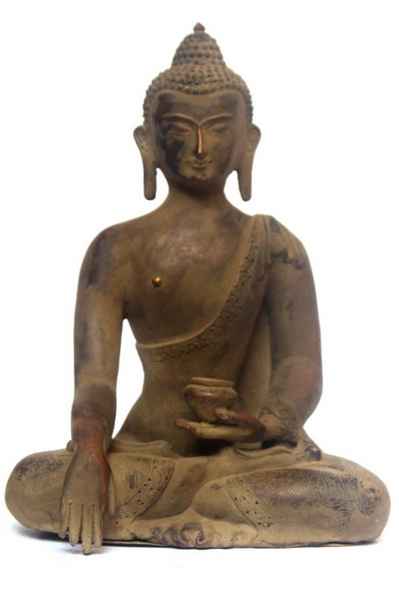
23cm Shakyamuni Buddha Statue In Stone Finishing
Weight : 1.8kg | [11534]
US$180
US$145
You Save
US$35
(20%)
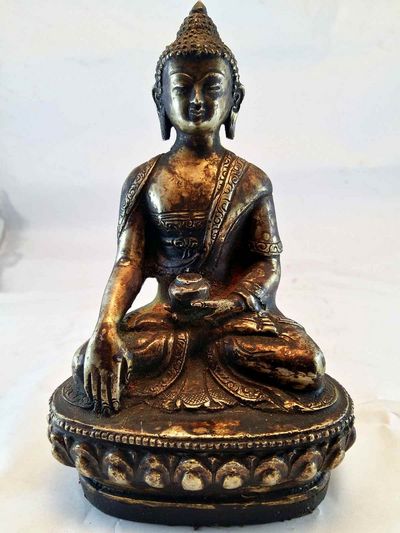
16cm Shakyamuni Buddha Statue - Antique Finishing Full Gold Plated
Weight : 0.8kg | [13310]
US$120
US$100
You Save
US$20
(20%)
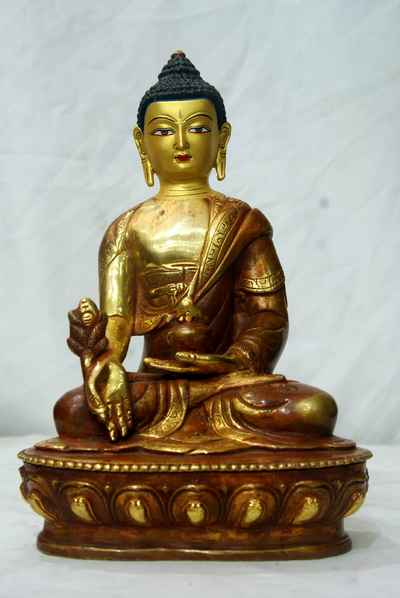
22cm Best Price, Medicine Buddha, For A Gift, Altars And Buddhist Ritual
Weight : 1.2kg | [10409]
US$110
US$90
You Save
US$20
(20%)
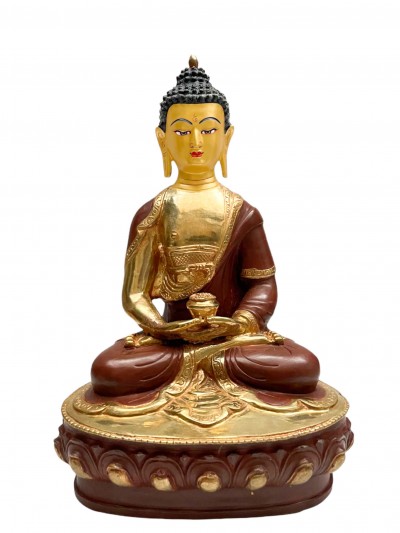
33cm Buddhist Handmade Statue Of Amitabha Buddha, Partly Gold Plated, Face Painted
Weight : 3.24kg | [25707]
US$260
US$210
You Save
US$50
(20%)
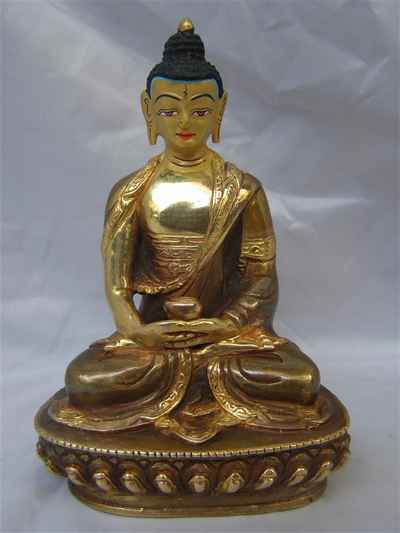
15cm Best Price, Amitabha Buddha Statue, Partly Gold Plated, Painted Face, For A Gift, Altars And Buddhist Ritual
Weight : 0.8kg | [5987]
US$130
US$105
You Save
US$25
(20%)
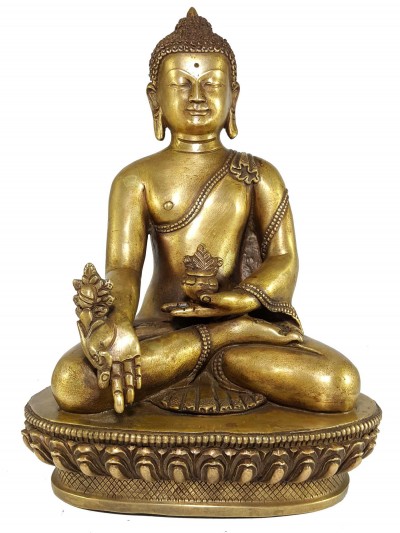
21cm * Exclusive * - Original Statue Of Medicine Buddha In Bronze Finishing
Weight : 1.8kg | [15933]
US$300
US$240
You Save
US$60
(20%)
22cm Shakyamuni Buddha, Buddhist Handmade Statue, Chocolate Oxidized And Partly Gold Plated, Face Painted And High Quality
Weight : 1.83kg | [34866]
US$535
US$455
You Save
US$80
(15%)

23cm Buddhist Handmade Statue Of Shakyamuni Buddha, Full Fire Gold Plated, Stone Setting With Painted Face
Weight : 1.2kg | [27351]
US$800
US$640
You Save
US$160
(20%)