Ashtamangala
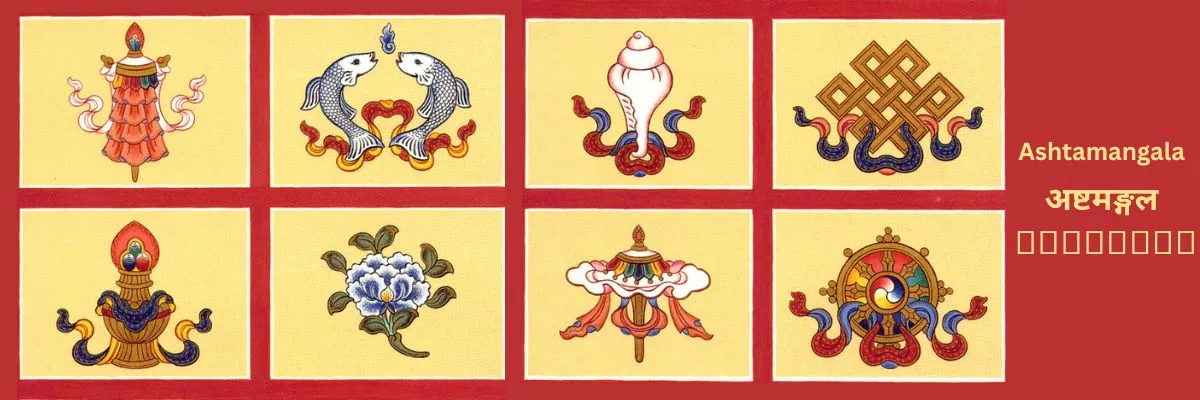
The Ashtamangala (Sanskrit: अष्टमङ्गल, Tibetan: བཀྲ་ཤིས་རྟགས་བརྒྱད་, THL: Trashi Takgyé) is a sacred suite of Eight Auspicious Symbols prominent across Hindu, Jain, and Buddhist traditions, though most intensely refined within Northern and Tibetan Buddhist iconography. Historically originating in ancient India as royal attributes used during ceremonies and coronations, these symbols represent the cosmic offerings presented by celestial deities to Shakyamuni Buddha immediately following his supreme enlightenment beneath the Bodhi tree.
In the sacred arts of Nepal and Tibet, the Ashtamangala symbols transcend mere ornamentation; they function as a visual language map representing the spiritual attributes and physical form of the Buddha's enlightened body.
| Sanskrit Name | Common English Name | Symbolic Spiritual Meaning | Buddha's Body Association |
| Chattra | Precious Parasol | Spiritual protection from suffering, desire, and obstacles | The Head |
| Suvarnamatsya | Two Golden Fishes | Fearlessness, liberation from samsara, and spiritual abundance | The Eyes |
| Padma | Sacred Lotus | Primordial purity of body, speech, and mind rising above defilements | The Tongue |
| Shankha | White Conch Shell | The pervasive, melodious sound of the Dharma awakening beings | The Speech |
| Kalasha (Bumpa) | Treasure Vase | Inexhaustible spiritual wealth, prosperity, and long life | The Neck |
| Shrivatsa | Endless Knot | Interconnectedness of all existence; union of wisdom and compassion | The Mind |
| Dhvaja | Victory Banner | The triumph of enlightenment over ignorance, fear, and death | The Body |
| Dharmachakra | Wheel of Dharma | The turning of the spiritual law and the Noble Eightfold Path | The Feet |
 The White Conch Shell (Shankha)The Shankha represents the profound voice of the Buddha and the spreading of the truth. Iconographically, the most sacred form is the right-turning or clockwise-twisting white conch shell. Its deep, resonant sound represents the sovereign, awakening blast of the Dharma that rouses disciples from the deep slumber of cosmic ignorance and inspires them to accomplish the welfare of all beings. |  The Endless Knot (Shrivatsa)The Shrivatsa, or eternal knot, is a mesmerizing geometric matrix with no discernible beginning or end. This symbol represents the absolute interconnectedness of all things via the web of cause and effect (karma). On a higher philosophical level, it represents the complete union of seemingly opposite dualities: appearance and emptiness, samsara and nirvana, and—most crucially—the inseparability of Wisdom (Prajna) and Compassion (Karuna). |  The Two Golden Fishes (Suvarnamatsya)Originally symbolizing the two sacred rivers of ancient India—the Ganges and the Yamuna—the Two Golden Fishes are traditionally depicted swimming vertically. In Buddhist iconography, they symbolize freedom and total fearlessness. Just as fish swim effortlessly through the vast ocean without danger of drowning, an enlightened being navigates the vast ocean of samsara (the cycle of rebirth) with absolute liberation and joy. They also represent domestic fidelity and spiritual abundance. |
 The Sacred Lotus (Padma)The Padma or lotus flower is the definitive symbol of primordial purity and renunciation. Because the lotus roots itself deep in the murky mud at the bottom of a pond yet rises through the water to bloom completely immaculate on the surface, its iconography represents the soul rising above the muddy waters of attachment and desire to realize its inherent Buddha-nature. |  The Precious Parasol (Chattra)The Chattra or parasol mimics the protective dome of the heavens. In traditional iconography, the wide canopy represents wisdom, while the hanging silken skirt symbolizes various compassionate methods. It represents the protection of the Dharma, shielding practitioners from the scorching heat of mental afflictions, negative karma, and worldly suffering. |  The Treasure Vase (Kalasha / Bumpa)The Kalasha (known as Bumpa in Tibetan tradition) is modeled after traditional flat-based, round clay water pots, typically capped with a brilliant, flaming jewel. Iconographically, it represents an endless reservoir of spiritual and material wealth. No matter how much nectar is poured out from the vase to bless sentient beings, it remains eternally full, symbolizing health, long life, and the inexhaustible nature of wisdom. |
 The Wheel of Dharma (Dharmachakra)The Dharmachakra is the primary symbol of Buddhism itself, representing the spiritual teachings set in motion by the Buddha during his first sermon at Sarnath. The wheel typically features eight distinct spokes, which explicitly map the Noble Eightfold Path to liberation: Right View, Right Intention, Right Speech, Right Action, Right Livelihood, Right Effort, Right Mindfulness, and Right Concentration. |  The Victory Banner (Dhvaja)Originally deployed as a military standard on the battlefields of ancient India, the Dhvaja was adopted into Buddhist iconography to signify spiritual triumph. It represents the Buddha’s decisive victory over the armies of Mara (the personification of delusion, spiritual death, and desire). Placed on temple roofs and shrines, it denotes the absolute victory of knowledge over ignorance. |
Frequently Asked Questions About the Ashtamangala
What do the eight auspicious symbols represent?
The eight auspicious symbols (Ashtamangala) represent the primordial cosmic offerings presented by Vedic deities to Gautama Buddha upon his enlightenment. Collectively, they symbolize the qualities of the enlightened mind and map out the physical, sacred anatomy of the Buddha's body.
Where should the Ashtamangala symbols be placed?
In traditional practices across Nepal and Tibet, the Ashtamangala symbols are painted, carved, or embroidered on household entryways, monasteries, altars, and sacred metallic offering bowls. Displaying them in a living space or meditation area is believed to invite protective energy, harmony, and spiritual alignment while dispelling negative obstacles.
Why are the symbols interpreted differently across cultures?
While the core spiritual philosophies remain unified, the visual styling varies. For instance, Newari master sculptors in Kathmandu cast the symbols with highly ornate, classical details flowing from centuries-old lost-wax metal-work traditions, whereas Tibetan motifs often favor bold, geometric textile block-prints. Both schools, however, preserve the foundational Sanskrit iconography.

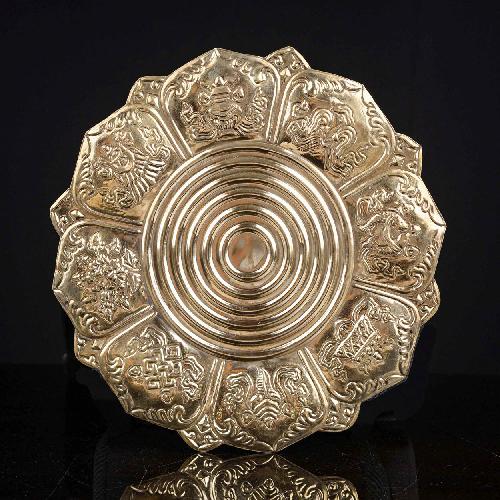
29cm Ashtamangala, Buddhist Ritual Item, Mandap
Weight : 0.25kg | [35709]
US$40
US$35
You Save
US$10
(15%)

38cm Ashtamangala, Handmade Wooden Wall Hanging, Thangka Color Finishing, Poplar Wood
Weight : 1kg | [35414]
US$40
US$35
You Save
US$10
(15%)

36cm Ashtamangala, Handmade Wooden Wall Hanging, Thangka Color Finishing, Poplar Wood
Weight : 1.04kg | [35413]
US$40
US$35
You Save
US$10
(15%)
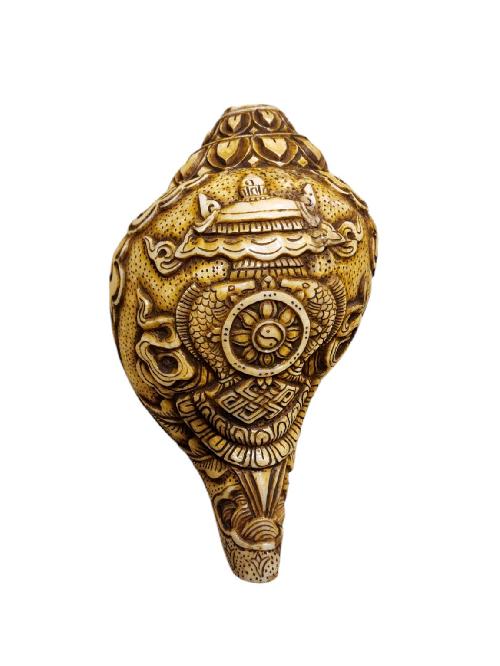
9cm Conch Shell With Ashtamangala Hand Carved
Weight : 0.8kg | [33822]
US$90
US$80
You Save
US$15
(15%)
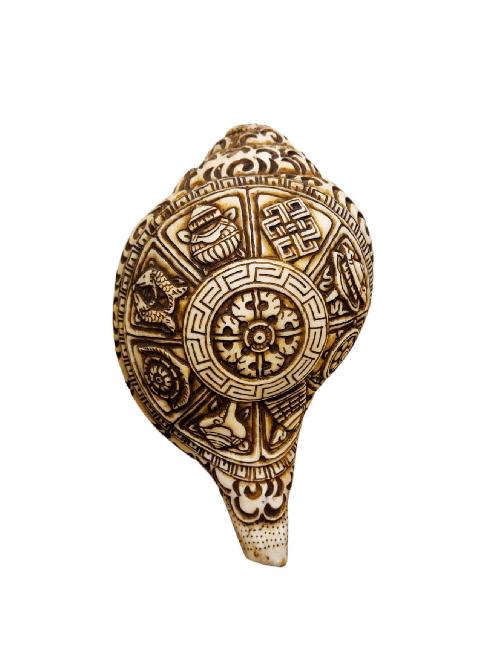
9cm Conch Shell With Ashtamangala Hand Carved
Weight : 0.75kg | [33818]
US$130
US$115
You Save
US$20
(15%)
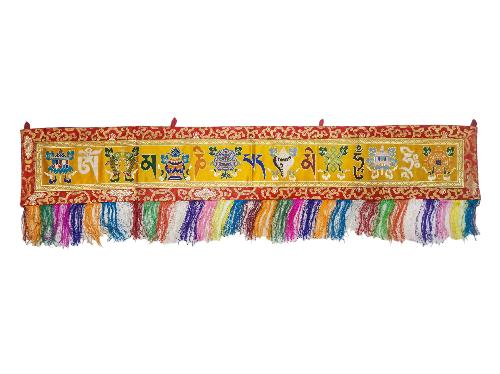
38cm Tibetan Cochin Brocade Wall Hanging With Embroidered Ashtamangala
Weight : 0.3kg | [33227]
US$30
US$30
You Save
US$5
(15%)
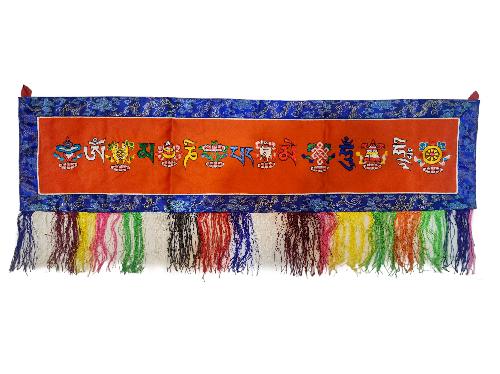
36cm Tibetan Cochin Brocade Wall Hanging With Embroidered Ashtamangala
Weight : 0.15kg | [33226]
US$15
US$15
You Save
US$5
(15%)
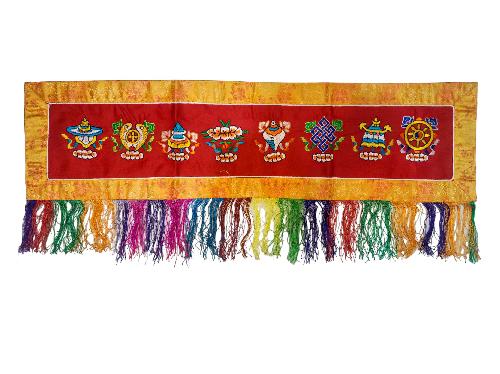
38cm Tibetan Cochin Brocade Wall Hanging With Embroidered Ashtamangala
Weight : 0.15kg | [33225]
US$15
US$15
You Save
US$5
(15%)
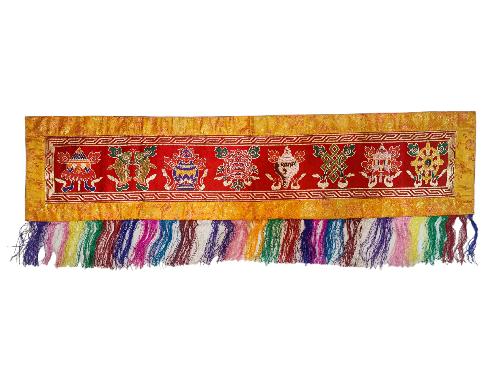
38cm Tibetan Cochin Brocade Wall Hanging With Embroidered Ashtamangala
Weight : 0.25kg | [33223]
US$20
US$20
You Save
US$5
(15%)

85cm Tibetan Cochin Brocade Wall Hanging With Embroidered Ashtamangala
Weight : 0.15kg | [33214]
US$10
US$10
You Save
US$5
(15%)
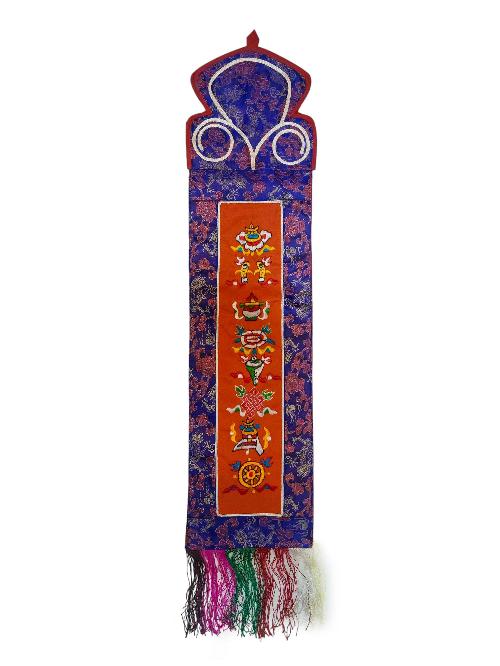
79cm Tibetan Cochin Brocade Wall Hanging With Embroidered Ashtamangala
Weight : 0.15kg | [33213]
US$10
US$10
You Save
US$5
(15%)
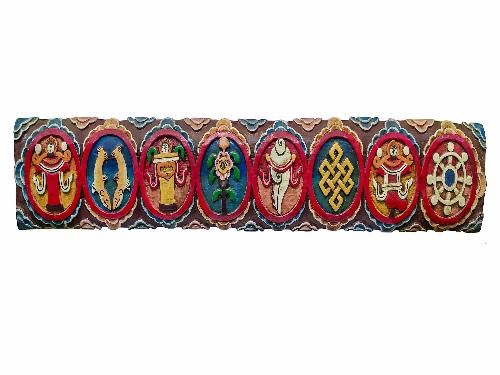
12cm Ashtamangala Carved, Handmade Wall Hanging, Painted
Weight : 1.18kg | [33180]
US$50
US$45
You Save
US$10
(15%)
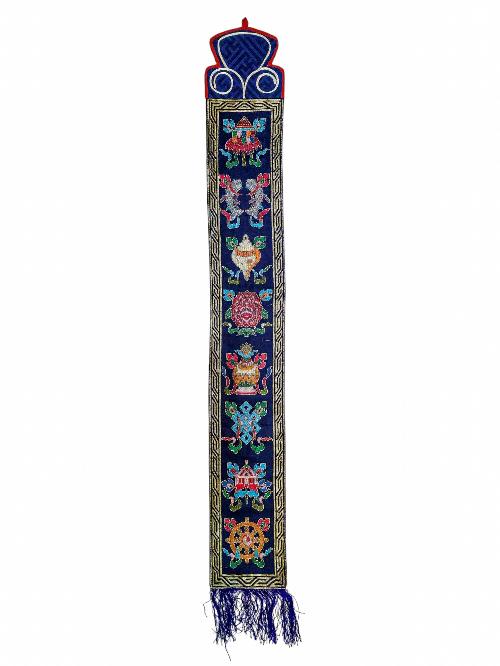
130cm Tibetan Cochin Brocade Wall Hanging With Embroidered Ashtamangala
Weight : 0.18kg | [33160]
US$20
US$15
You Save
US$5
(15%)
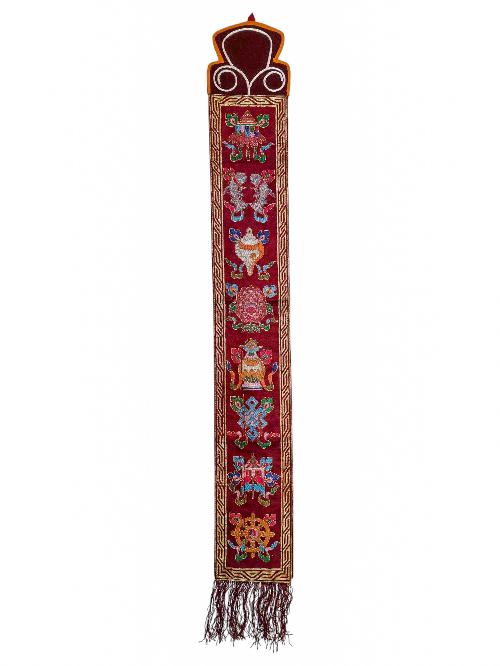
130cm Tibetan Cochin Brocade Wall Hanging With Embroidered Ashtamangala
Weight : 0.18kg | [33159]
US$20
US$15
You Save
US$5
(15%)
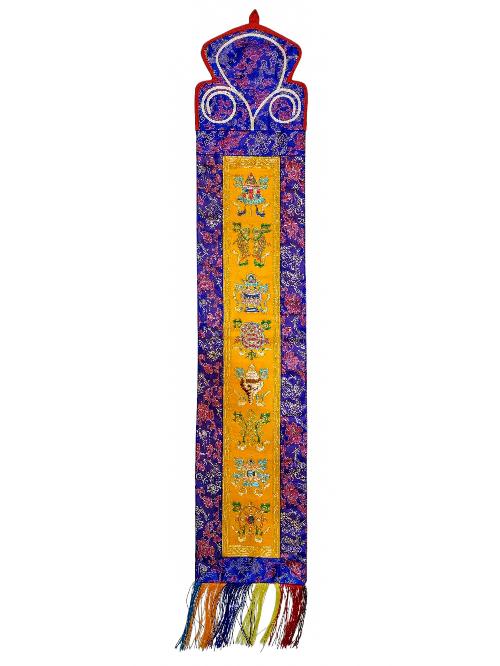
100cm Tibetan Cochin Brocade Wall Hanging With Embroidered Ashtamangala
Weight : 0.11kg | [33157]
US$10
US$10
You Save
US$5
(15%)
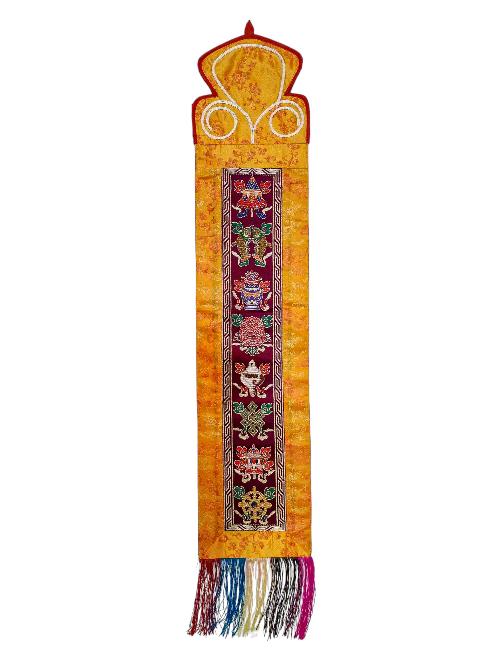
100cm Tibetan Cochin Brocade Wall Hanging With Embroidered Ashtamangala
Weight : 0.11kg | [33156]
US$10
US$10
You Save
US$5
(15%)
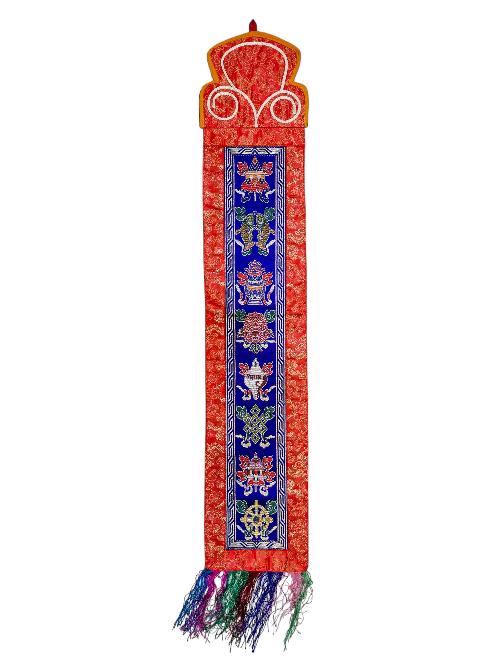
100cm Tibetan Cochin Brocade Wall Hanging With Embroidered Ashtamangala
Weight : 0.11kg | [33155]
US$10
US$10
You Save
US$5
(15%)

100cm Tibetan Cochin Brocade Wall Hanging With Embroidered Ashtamangala
Weight : 0.11kg | [33154]
US$10
US$10
You Save
US$5
(15%)
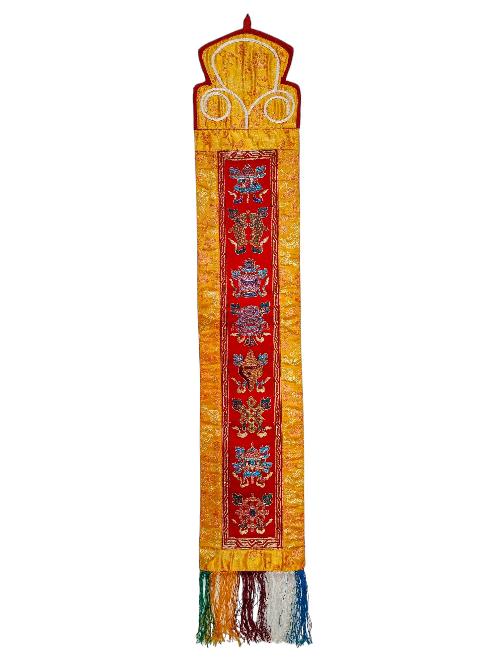
100cm Tibetan Cochin Brocade Wall Hanging With Embroidered Ashtamangala
Weight : 0.12kg | [33150]
US$10
US$10
You Save
US$5
(15%)
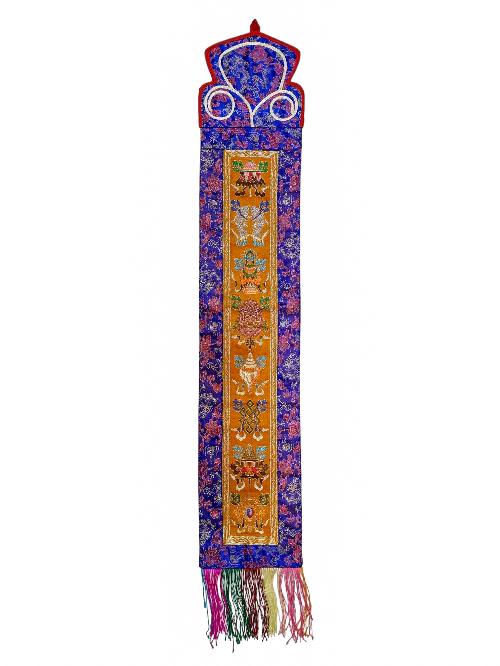
100cm Tibetan Cochin Brocade Wall Hanging With Embroidered Ashtamangala
Weight : 0.12kg | [33149]
US$10
US$10
You Save
US$5
(15%)